


Tech Explained: Here’s a simplified explanation of the latest technology update around Tech Explained: Generative AI summit at EMU aims to present diverse views on disruptive technology – Concentrate in Simple Termsand what it means for users..
Organizers of an upcoming regional GenAI Summit at Eastern Michigan University (EMU) are seeking to facilitate productive conversations across a broad range of disciplines, ages, and approaches to generative AI (GenAI). The March 16 summit will feature speakers, and will welcome attendees, ranging from K-12 students to adult professionals. The event is free but registration is required.
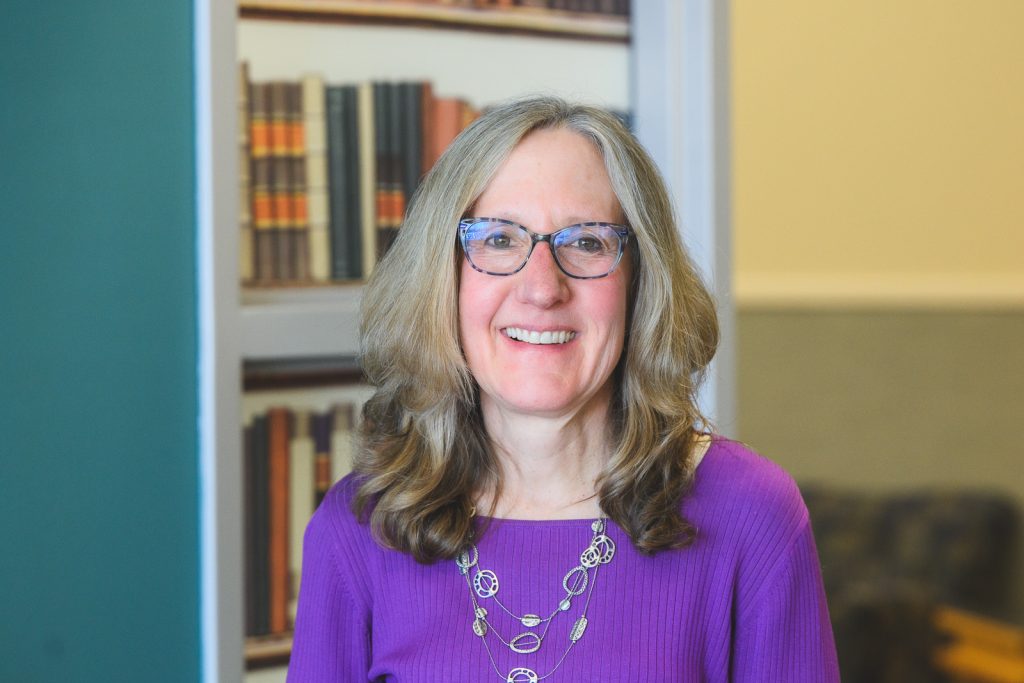
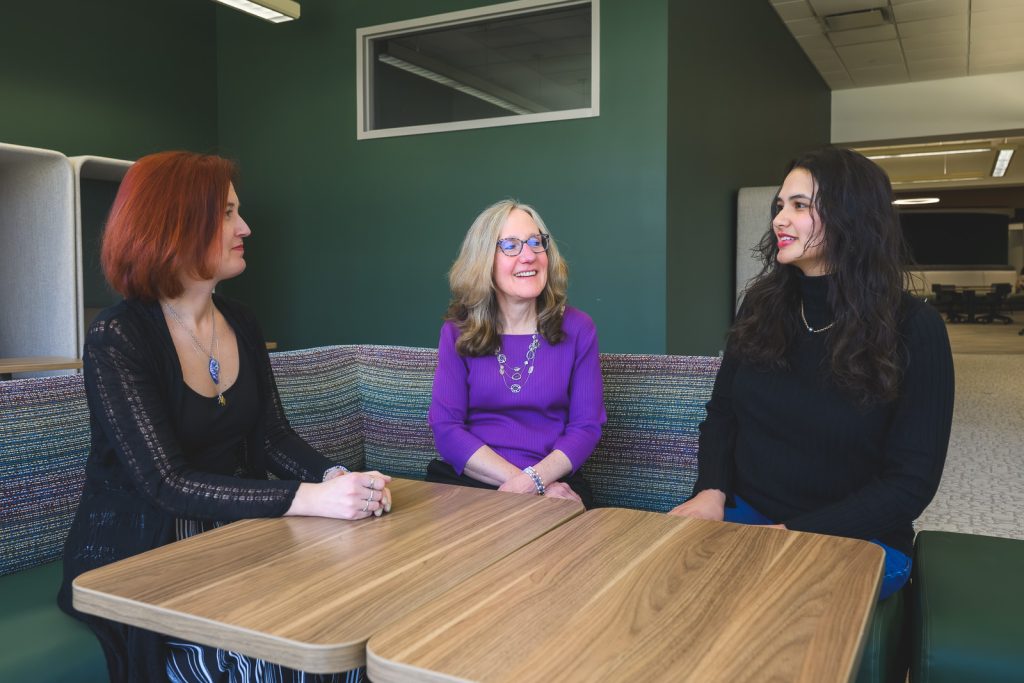
Organizers Ann Blakeslee and Kristine Gatchel say they’ve been keeping an eye on student and faculty use of GenAI since right after ChatGPT was released to the public in late 2022.
“Traveling around campus doing programs, I worked with all of our colleges across campus and heard concerns, conversations, and perspectives on AI’s potential that differed so widely,” says Blakeslee, who also heads the university’s Writing Center. “People in the arts have legitimate concerns with it, and then people in engineering or business are approaching it a different way.”
Blakeslee says she and Gatchel quickly began to think it would be a great benefit to involve more people in the conversations that would include but go beyond how AI is or isn’t used in the classroom.
“I think K-12 teachers are feeling a little at sea. Some districts are out in front, while some districts are more reactive. Talking to English teachers at the high school level, I hear them say things like, ‘I’m never going to assign writing again,’ and that concerns me,” Blakeslee says.
She says that “critical thinking and writing go hand in hand,” so it would be a shame to stop asking students to write as part of the curriculum.
Gatchel says that even within the academic world, not only do students and professors disagree about topics related to AI, but professors from different disciplines often “are not in tune with one another.”
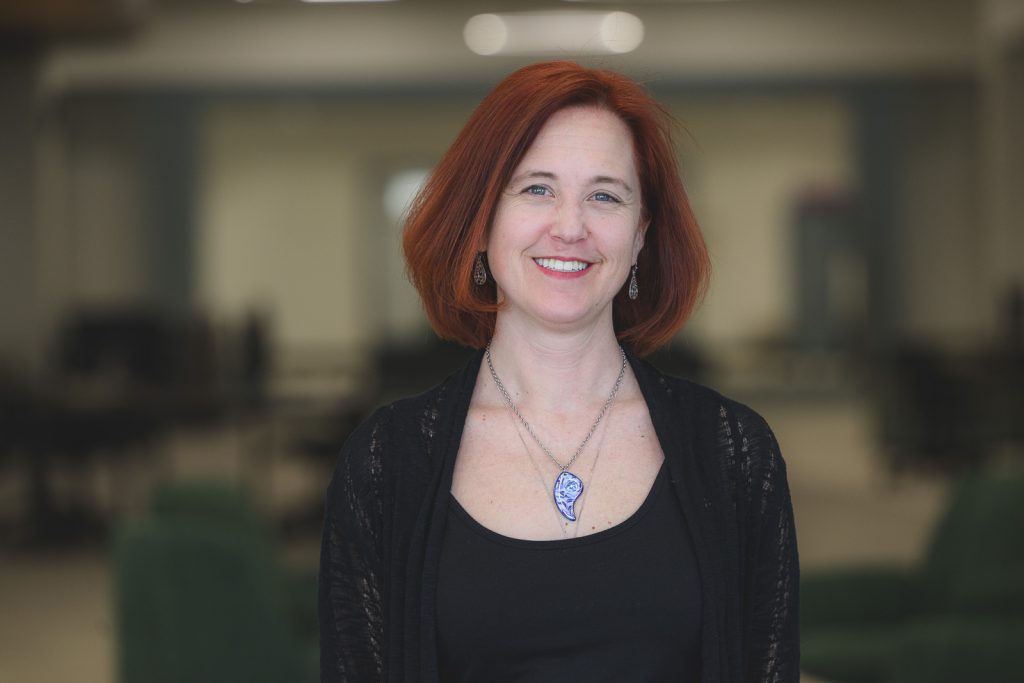
“All these different concerns and conversations about cheating and so on are siloed,” Gatchel says. “We wanted to bring some of those conversations together and see if we can talk about things like the environmental impact, ethical issues, and what this will mean for students when they are in the career path they’ve chosen.”
Blakeslee says that while the summit will focus on topics beyond academics, she knew right away when ChatGPT came out that “students are going to be unfairly accused of cheating.”
“And we’ve seen that bear out in some cases,” Blakeslee says, referring to a case where a University of Michigan student is suing the university for wrongly accusing her of cheating with AI.
“Some faculty are so concerned about detecting plagiarism, and it’s much more complicated and nuanced than that. It’s an amazing tool to help them, and can also be a crutch you lean on too much. There’s a whole continuum,” Blakeslee says.
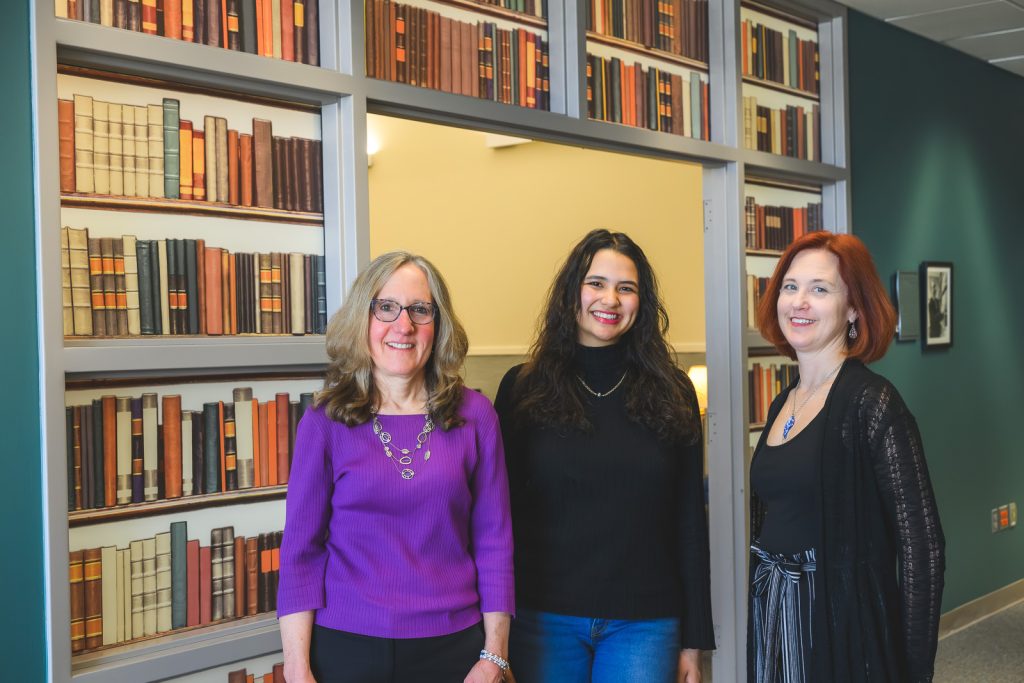
Summit organizers put out a call for speakers earlier this year, and Gatchel says they received more than 50 proposals. The event will offer attendees five to seven panels or talks each hour, Gatchel says. Blakeslee says they hope to make the summit an annual event.
“The response was very broad, with representation from the health care field, business, education,” Gatchel says. “The K-12 community here in the Ann Arbor/Ypsi area is represented, not only by professionals but by student voices, from high schoolers to grad students.”
Alexandra Pryplesh, a 17-year-old student at Washtenaw International High School, will be one of the youth voices featured during the summit.
“My talk is going to be about my personal experience. I’m going to talk about how the way I think about GenAI has shifted over the last few years,” Pryplesh says.
She says that she grew up with social media, unlike her parents’ generation. Likewise, she thinks about the fact that the generation after her will grow up in a world where GenAI has always been around. She says many of her peers are distrustful of GenAI because of humanist concerns around meaning, creativity, and ethics. Others, though, use AI tools like ChatGPT every day.
Pryplesh says she was on the “never going to use it” side of the GenAI argument for a while, but her perspective changed after she talked with a teacher who used it to help him with a huge load of classwork to grade and evaluate.
“I had a lot of serious conversations with him, and it opened my mind to not a totally more positive view, but a tolerant one, understanding where he was coming from,” she says.
Pryplesh understands there are ethical and environmental impacts to using AI, but she says she wonders whether it’s always the GenAI itself or the societal structures around it that can make its use harmful. She says she’s hoping to learn more about this topic and the technical inner workings of GenAI during the summit when she’s not presenting.
Another panel focused on youth voices will feature three EMU students, including junior Priya Ghotane, along with grad students Joshua Evan Caine-Welch and Joel Collen. Ghotane, who is studying philosophy and psychology, says AI concerns overlap a great deal with both of those subjects.
“I’m studying philosophy of education, and I’m interested in psychology, which helps us understand the learning process. And AI relates to all of that, with ideas about teaching and how to find knowledge in the world,” Ghotane says.
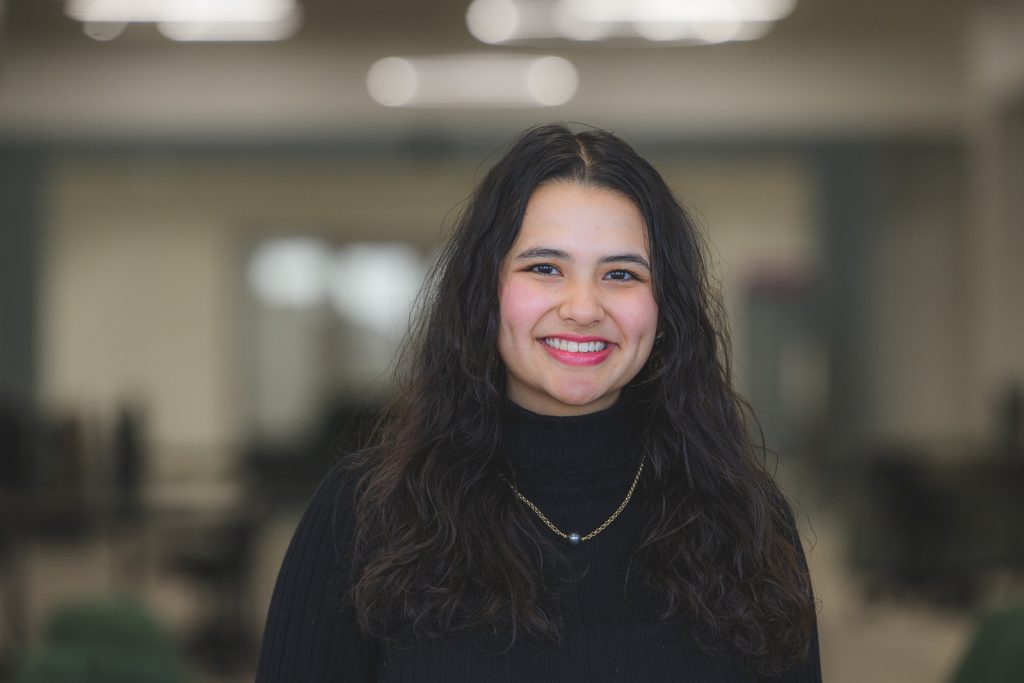
She says the top thing she wants to discuss in her talk are the ways people misunderstand AI’s potential.
“Some people confuse it for an accurate source of knowledge and information, so I want to talk about how it works as a language model, and less as a research tool,” Ghotane says.
She says she knows there are certain adults who think that students will mainly use AI in ways that will harm their education.
“But youth are more aware than you think that it takes away from your learning. It makes it faster, but it’s a shortcut, and we’re there to learn,” she says.
Organizers say the summit will include breakfast, lunch, breakout sessions, and full group conversations at the start and end of the event. Registration is available here. Anyone with questions can email ablakesle@emich.edu or kgatche1@emich.edu.