


Explained: This article explains the political background, key decisions, and possible outcomes related to Explained : Politics hijacks cricket: Ishtiaque Ahmad and Its Impact and why it matters right now.
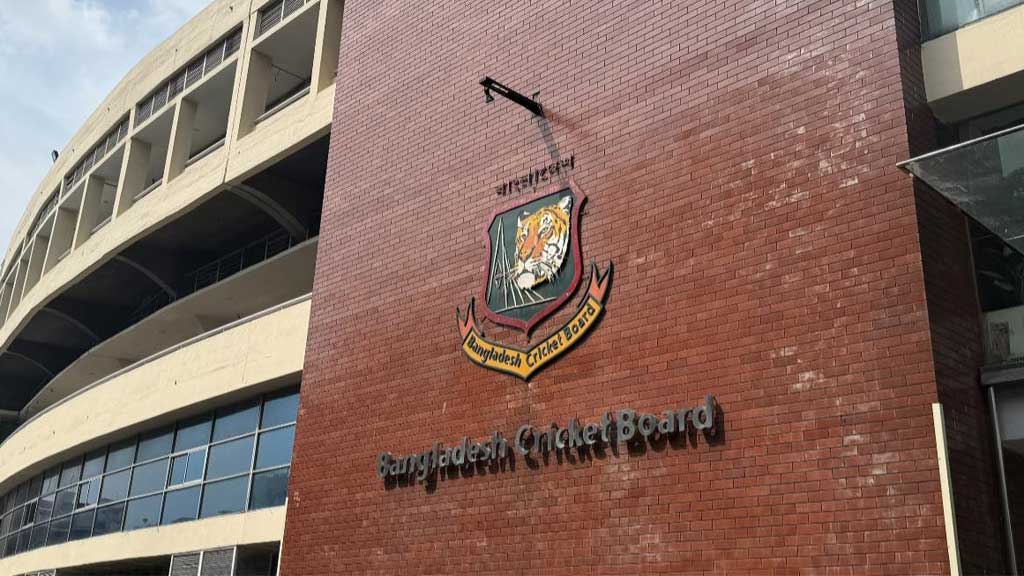
The fallout from Mustafizur Rahman’s removal from the Indian Premier League has snowballed into a diplomatic standoff, with Bangladesh refusing to send its team to India for the T20 World Cup.
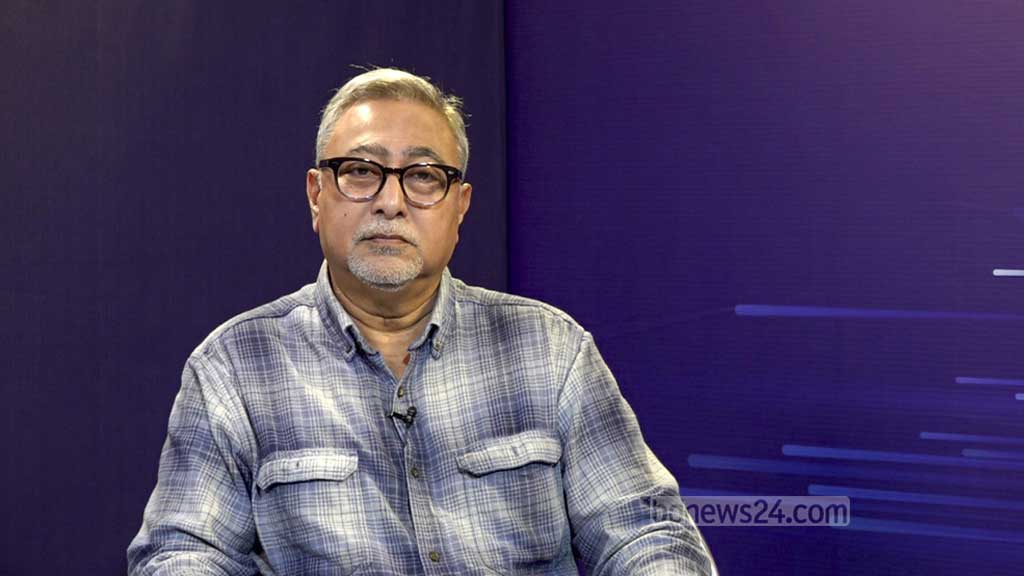
Speaking on bdnews24.com’s interview programme Inside Out, former cricketer and analyst Ishtiaque Ahmad said the episode demonstrates how politics has hijacked cricket in South Asia.
“This isn’t cricket anymore. It has escalated beyond cricket. It is now politics and cricket combined,” he said.
Ishtiaque argued that the Bangladesh Cricket Board was right to take a firm stand.
He said Mustafizur’s ouster from Kolkata Knight Riders carried “a political tint” and was enforced under pressure.
“Mustafizur was removed without any proper explanation, and the franchise did not give a clear reason. Then we hear that he is fit, he is training, he is ready to play. So it doesn’t add up,” he said.
He linked the decision to tensions over reports of violence against Hindu minorities in Bangladesh, which triggered political backlash in India.
“Shah Rukh Khan was being called a traitor, and some politicians made statements against the decision of taking Mustafizur Rahman that led to this whole chaos,” Ishtiaque noted.
Calling the withdrawal “massive” and “unprecedented,” Ishtiaque said it impacts players, fans and reputation but also sends a message that unfair treatment will not be tolerated.
“To pull out of a major ICC tournament, especially a World Cup, is not something you do lightly,” he said.
He warned that ICC sanctions or fines may follow, but the greater loss would be denying players the chance to perform on the world stage. “The bigger consequence is the loss of opportunity for the players to play in a World Cup, which is the biggest stage. That is something that cannot be compensated for easily.”
SECURITY CONCERNS AND LEGITIMACY
Ishtiaque acknowledged Bangladesh’s security concerns were legitimate.
“Whenever you have political tension between two countries, it can spill over into sports. Fans can become hostile, media can become hostile, and the environment can become uncomfortable,” he said.
He added that cricket is meant to unify, citing examples of India and Pakistan playing in neutral venues despite strained relations.
“So it is a complex issue,” he said.
VENUE CHANGE UNLIKELY
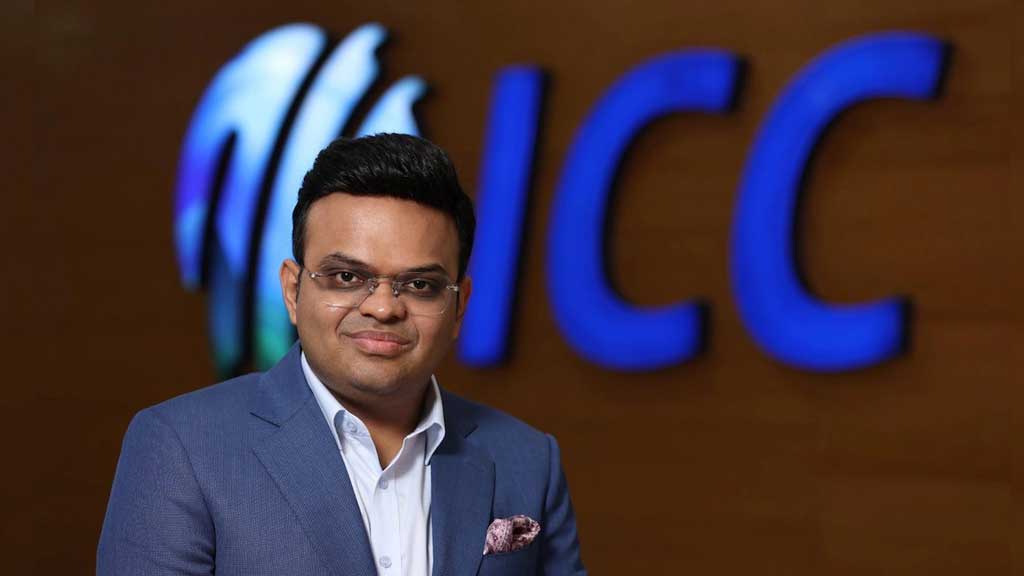
Ishtiaque dismissed the likelihood of moving the World Cup. “ICC survives on BCCI; 90 percent or so of the revenue that ICC earns is through BCCI. So they’ll obviously call the shots. Bangladesh just may feel the brunt of Indian power—the ‘big bully’ that they seem to be enjoying,” he said.
He said alternatives such as Bangladesh forfeiting points or being replaced by another team would be damaging, stressing that only diplomatic resolution could work.
ADVISOR’S COMMENTS AND STRAINED TALKS
Ishtiaque criticised the tone of Bangladesh’s Sports Advisor Asif Nazrul, saying his remarks may have hardened positions.
“There was a finality to his tone, which I think diminishes the possibility of the Indian, the ICC, or the BCCI yielding to Bangladesh’s request,” he said.
He suggested the BCB should have handled correspondence more discreetly to keep discussions open.
IMPACT ON PREPARATIONS
The uncertainty has disrupted Bangladesh’s preparations.
“The players are distracted, the management is under pressure, the media is focused on controversy rather than cricket,” Ishtiaque said.
Preparation for a World Cup requires focus and stability. “Players do not know whether they will travel, where they will play, what the conditions will be. So it affects preparations significantly. And psychologically, it impacts confidence. But at the same time, sometimes adversity can unite a team and make them stronger.”
BANGLADESH’S PROSPECTS
Despite the turmoil, Ishtiaque praised Bangladesh’s progress in T20 cricket, highlighting young talent and strong bowling.
“If they play with confidence and execute their plans, they can do well. But the World Cup is highly competitive. Teams like India, Australia, England, Pakistan, South Africa are very strong. Bangladesh will need to play their best cricket to compete. But they do have a chance to surprise,” he said.
MUSTAFIZUR’S CENTRAL ROLE
Ishtiaque underlined Mustafizur’s importance.
“Mustafizur is a key player. He is one of the best T20 bowlers in the world. His cutters, his variations, his ability to bowl in the death overs are very important for Bangladesh. If he is in form, Bangladesh’s bowling attack becomes much stronger,” he said.
His treatment in the IPL, Ishtiaque said, symbolises the larger dispute about respect and fairness.
FUTURE OF IPL PARTICIPATION
Ishtiaque said the episode could affect future IPL participation.
“If Bangladesh feels that their players are not respected, they might be reluctant to send them. But at the same time, the players themselves want opportunities. And the IPL franchises will always look for talent. So it depends on how this issue is resolved,” he said.
He predicted India would try to assure Bangladesh the decision was not political, but whether Dhaka accepts such assurances is uncertain.
“Ultimately, it will require talks at a higher level, beyond cricket authorities,” he said.
STANDING UP FOR PRINCIPLES
Ishtiaque said Bangladesh’s firm stance could be an eye opener.
“Even if Bangladesh were not to play the World Cup—doesn’t matter. I think Bangladesh has… if they finally stand up to this point and to show the world that you actually cannot mix politics with cricket. And I think this is what is happening,” he said.
He acknowledged financial losses were likely if Bangladesh forfeited matches, but said the gain was in standing up for principle.
“The gain going forward will be that Bangladesh stood up to what they thought was right,” he said.
Ishtiaque added that professional players would cope with adversity.
“They’ve faced this situation on the field—all kinds of adversities. So this is another such adversity that they are confronted with. And I think being professional cricketers, when you’re on the field, you give your best,” he said.
STRAINED TIES WITH INDIA
Ishtiaque said the row could strain Bangladesh India cricketing ties, with India’s scheduled tour of Bangladesh in doubt.
“We would all always want a good, friendly relationship with our neighbours—more so India. From my perspective, I think India is a big country and we should sort out our differences across the table and live peacefully and harmoniously,” he said.
TAMIM IQBAL’S COMMENTS
Former captain Tamim Iqbal recently urged the BCB to act independently and resolve the issue through dialogue.
Ishtiaque said Tamim’s remarks made sense but were misinterpreted.
“What Tamim said does not absolutely, not at all… why should that make him an agent? Anybody would say this. He’s just talking sense,” Ishtiaque said, criticising a BCB director for labelling Tamim an “Indian agent”.
DOMESTIC TURMOIL AND BPL BOYCOTT
Ishtiaque also addressed the boycott of the Bangladesh Premier League after BCB Director M Najmul Islam’s comments angered players.
“Such statements coming from a BCB director is unbecoming of a director. A little too harsh, if I may say. But whether it warrants such a strong stance taken by the players… I think what the players could have done is sought an apology from the director,” he said.
He stressed that players are the backbone of cricket revenue and deserve respect.
Ishtiaque concluded that the crisis sends a broader message.
“It shows how decisions in a franchise league can escalate into national issues. It also shows that smaller cricket boards like Bangladesh are willing to take a stand. And it highlights the need for fairness and transparency in how players are treated. For the cricketing world, it is a reminder that governance, diplomacy, and sport are intertwined.”