


Explained: This article explains the political background, key decisions, and possible outcomes related to Explained : Indira Gandhi Disqualification & Emergency Rule and Its Impact and why it matters right now.
Dharmendra Chahuan, Uttar Pradesh15 hours ago
From today begins The ‘Rajneeti ki Rangbhoomi’, a special series that chronicles the great political ‘Mahabharata’ of Uttar Pradesh, a battlefield where every move by leaders creates history. This series explores clashing ideologies, broken alliances, new friendships, dissolving factions and ever-shifting power equations.
In the very first episode, we revisit one of the most dramatic political confrontations in Indian history, Raj Narain versus Indira Gandhi. Why did Raj Narain become a persistent thorn in Indira Gandhi’s path? How did this man eventually cause her disqualification, electoral defeat and the declaration of the Emergency?
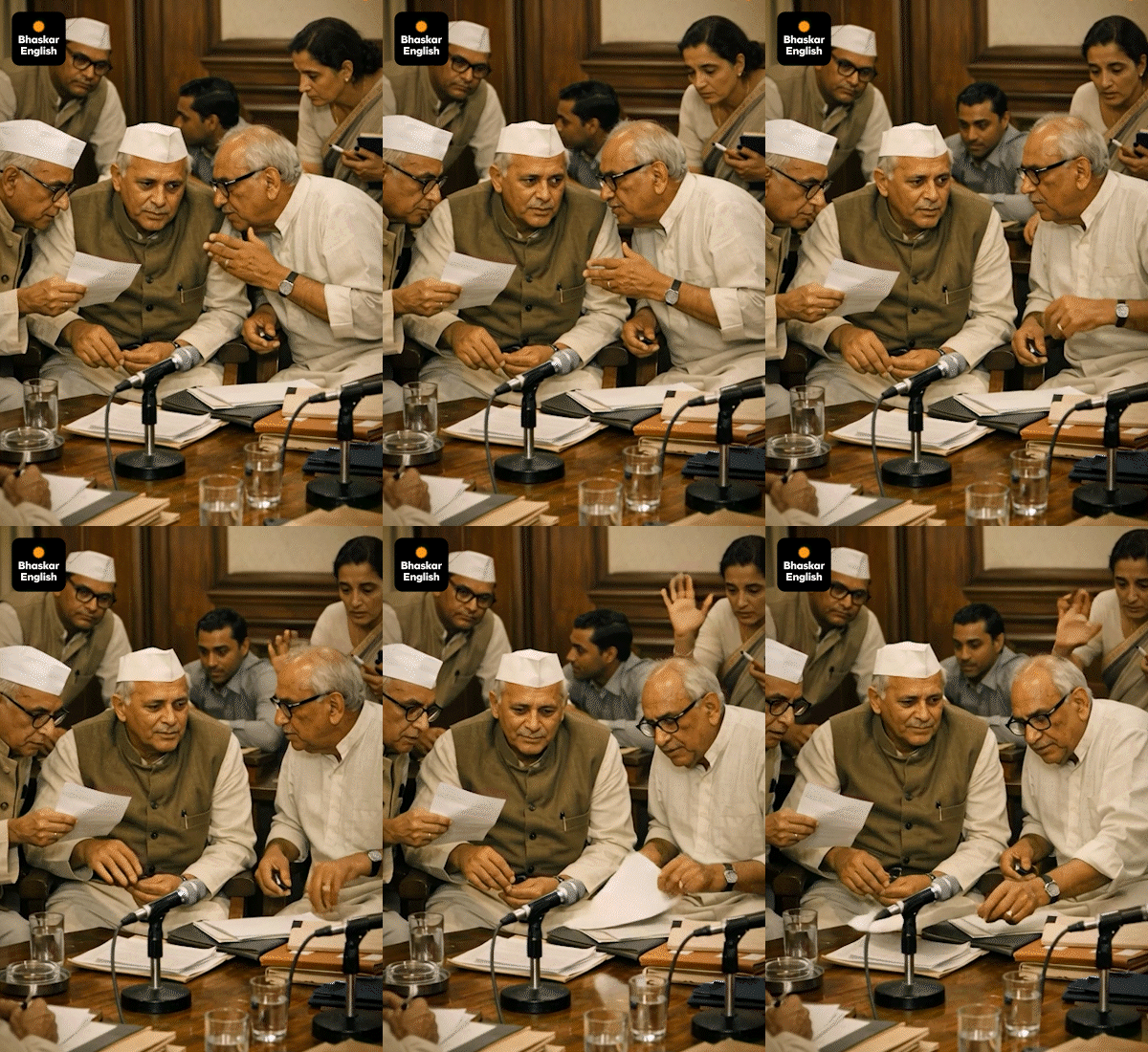
Before Indira, her husband Feroze Gandhi was the MP from Raebareli constituency. Congress had always been strong there. This was why opposition leaders were hesitant to contest elections from Raebareli. (AI Generated)
December 1970: A Political Earthquake in Delhi
December 1970 was sending chills through Delhi’s power corridors. The political tension inside Rashtrapati Bhavan spilled out and scorched the entire nation. Suddenly, the news broke- ‘The Lok Sabha has been dissolved. Elections will be held one year early.’
The announcement exploded like a bomb in the opposition camp. In a smoke-filled secret room, senior opposition leaders gathered. One leader exhaled cigar smoke and remarked calmly,’ Madam has played a masterstroke.’ Another shot back sharply, ‘If we fight alone, we will be chopped like vegetables.’ ‘So what’s the solution?’ a third asked.
After a brief silence, a single voice answered,’ We fight together.’
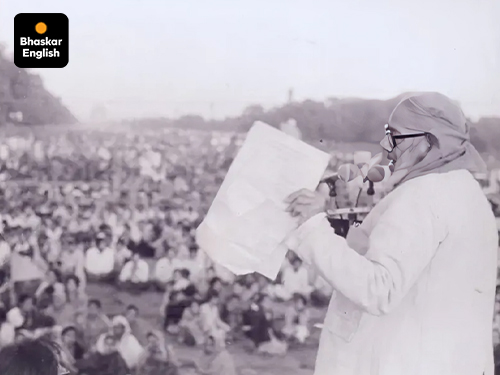
Raj Narain’s rallies in Raebareli used to draw huge crowds. After losing, he felt there was rigging in the election and believed the rumor of ‘magic ink’. (File Photo)
Congress splits: R Versus O
The roots of this confrontation lay in 1969, when senior Congress leaders fell out with Indira Gandhi and expelled her from the party. Congress split into two factions. Indira’s faction was named Congress (R), R for Revolutionary. The old guard became Congress (O), O for Organisation.
Both factions fought elections against each other. Congress (O)’s symbol was a woman spinning a charkha, while Congress (R) was allotted the cow and calf. As elections approached, Congress (O), Jan Sangh and the Socialists joined hands. The battle was no longer electoral, it was about proving who represented the ‘real Congress’.
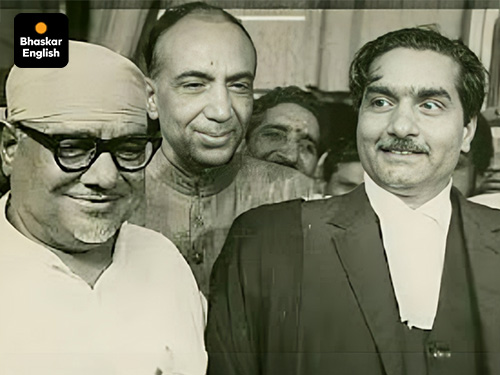
Shanti Bhushan was a supporter of Indira’s rival faction, Congress (O). That’s why Raj Narain went to him with the case. The picture is from after the case hearing in the Supreme Court. (File photo)
Raebareli question: Indira stands firm
On December 29, a packed press conference hall awaited Indira Gandhi. A journalist asked pointedly, ‘Madam Prime Minister, is it true you may leave Raebareli and contest from Gurgaon?’ The hall fell silent. Indira replied firmly. ‘No.’ ‘Any particular reason?’ the journalist pressed. ‘I am not doing that. That is enough,’ she said curtly.
January 1971: The Search for a Challenger
On January 19, opposition leaders met secretly again. One crucial question loomed, who would challenge Indira Gandhi in Raebareli? The answer echoed through the room: Raj Narain. One leader struck the table.’This man can keep power awake at night.’ ‘But will he agree?’ someone asked. ‘He fears no defeat,’ came the reply. The contest was set, Raj Narain versus Indira Gandhi. This was no longer an election. It was war.
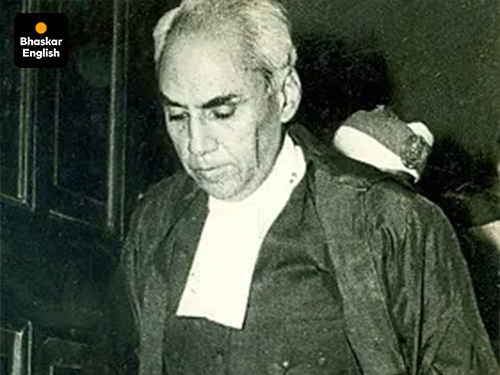
Justice Jagmohan Lal Sinha was tempted with the offer of being made a Supreme Court judge to rule in Indira’s favor. Yet, he delivered an honest verdict. (File Photo)
Campaign sparks and sarcasm
Indira Gandhi addressed a massive rally in Coimbatore. When Raj Narain’s name surfaced, a faint smile crossed her face. She declared sharply, ‘The opposition has no face.’ A voice from the crowd shouted,’And Raj Narain?’ Indira retorted sarcastically, ‘In Raebareli they have fielded someone who survives on criticism. He only knows how to shout against Nehruji.’
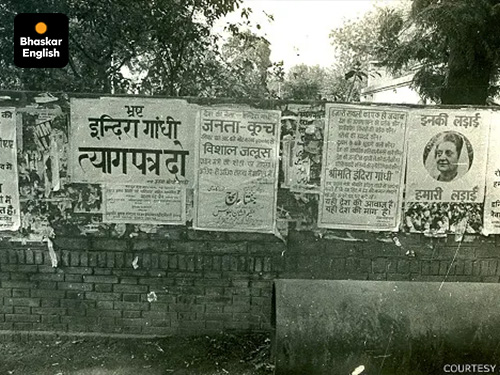
After the High Court’s decision, the opposition started pressuring Indira Gandhi to resign as Prime Minister. (File photo)
Voting day and a crushing defeat
Voting took place on March 7, 1971. Counting lasted days. Even before counting began, Raj Narain took out a victory procession on March 8, shouting,’This is democracy’s victory!’ But on March 10, the tables turned. Congress (R) swept Raebareli.
Indira Gandhi: 1,83,309 votes Raj Narain: 71,499 votes
A margin of over 1.10 lakh.
Raj Narain was stunned. ‘This is impossible, those who marched with me, whom did they vote for?’
The rumour of ‘Magic Ink’
Soon, whispers spread across Raebareli, of ‘magic ink’. A supporter told Raj Narain,’This wasn’t voting, Netaji, it was chemistry.’ ‘What do you mean?’ Raj Narain asked. ‘They say the ink vanished, and the Congress symbol reappeared before counting.’ ‘If this is true,’ Raj Narain replied grimly, ‘I will drag this ink to court.’
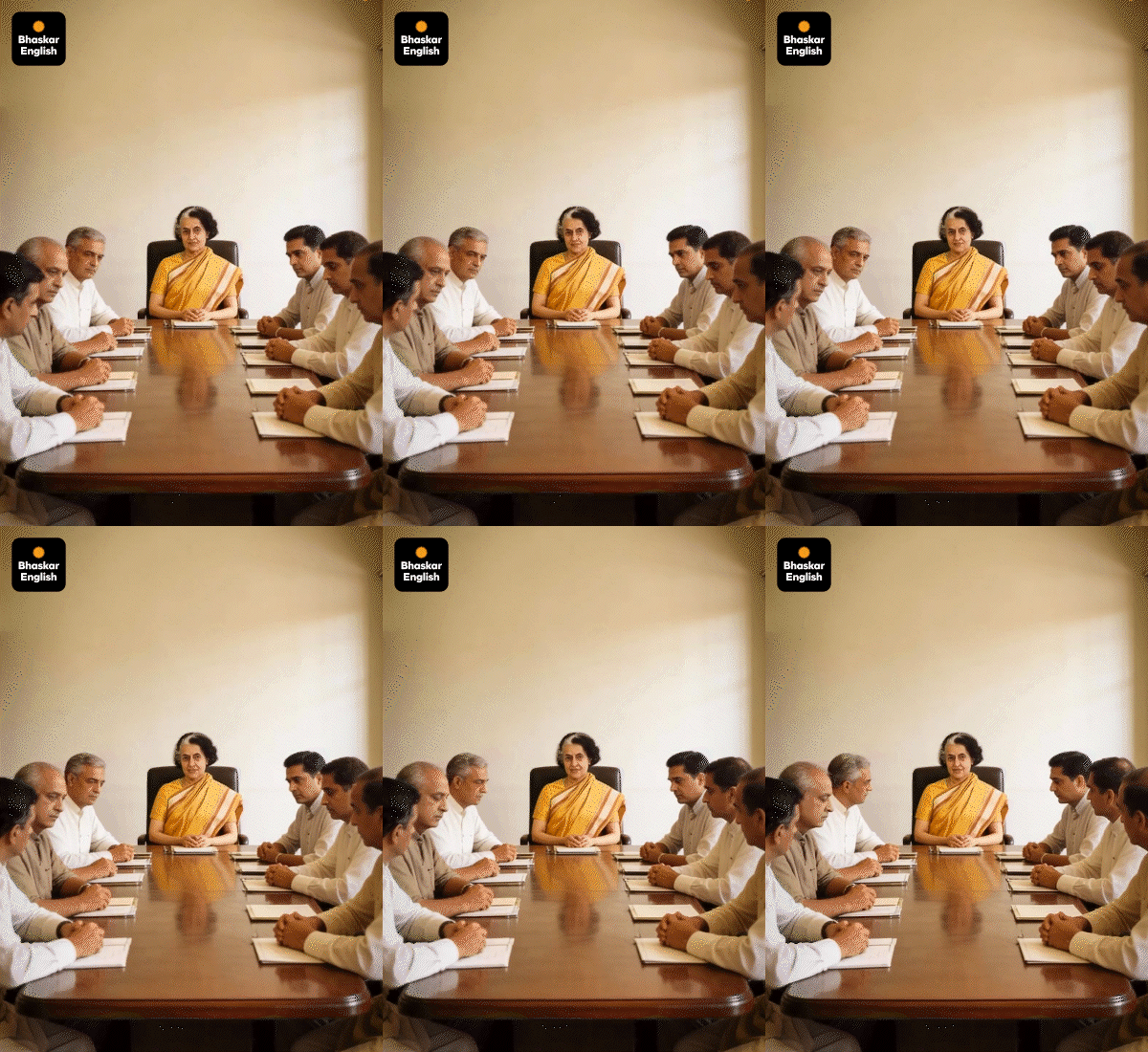
Indira Gandhi was continuously holding meetings with her ministers and supporters. Everyone was saying that she should not resign. (AI Generated)
Taking the PM to Court
In April 1971, Raj Narain approached Allahabad lawyer Ramesh Srivastava. ‘I want to drag Indira to court,’ he declared. ‘You are challenging the Prime Minister,’ the lawyer warned. ‘There is no Prime Minister in law,’ Raj Narain replied. ‘Only a culprit.’
Shanti Bhushan was brought in. He initially dismissed the ‘magic ink’ claim as absurd but later reframed it as mechanical fraud. A 258-page petition was drafted, listing eight serious charges, from misuse of government machinery to exceeding election expenditure limits. ‘If even one is proven,’ Shanti Bhushan warned, ‘the Prime Minister will be in trouble.’
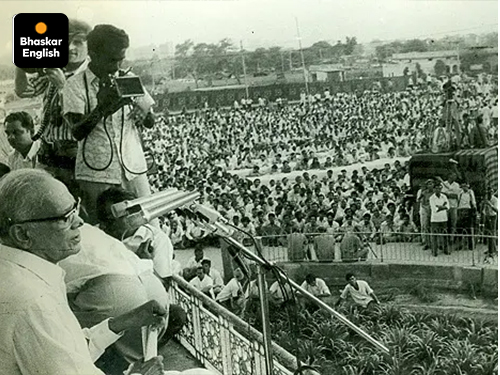
In the rally, JP demanded Indira Gandhi’s resignation and called for ‘Total Revolution’. He appealed to the army and police not to obey any of Indira’s orders. (File Photo)
June 12, 1975: The Verdict
After four years of hearings, June 12, 1975 arrived. At 1 Safdarjung Road, PM’s residence, tension was unbearable. Teleprinters rattled. Inside Courtroom No. 24 of the Allahabad High Court, Justice Jagmohan Lal Sinha read the verdict calmly. Mrs Gandhi was found guilty of two corrupt practices, including using government officer Yashpal Kapoor in her campaign.
At 10:20 am, UNI flashed the headline: ‘Indira Gandhi Unseated.’ Rajiv Gandhi informed his mother.’Mummy, they have disqualified you.’ She replied quietly, ‘So they finally did it.’
Pressure, defiance and the Emergency
Opposition leaders demanded resignation. Indira chose defiance. On June 25, JP’s rally at Ramlila Maidan thundered. Raj Narain declared,’Tomorrow we will gherao her residence.’ That night, Emergency was imposed. Raj Narain was arrested at dawn. Opposition leaders were jailed. Parliament passed the 39th Amendment, barring courts from challenging the Prime Minister’s election.
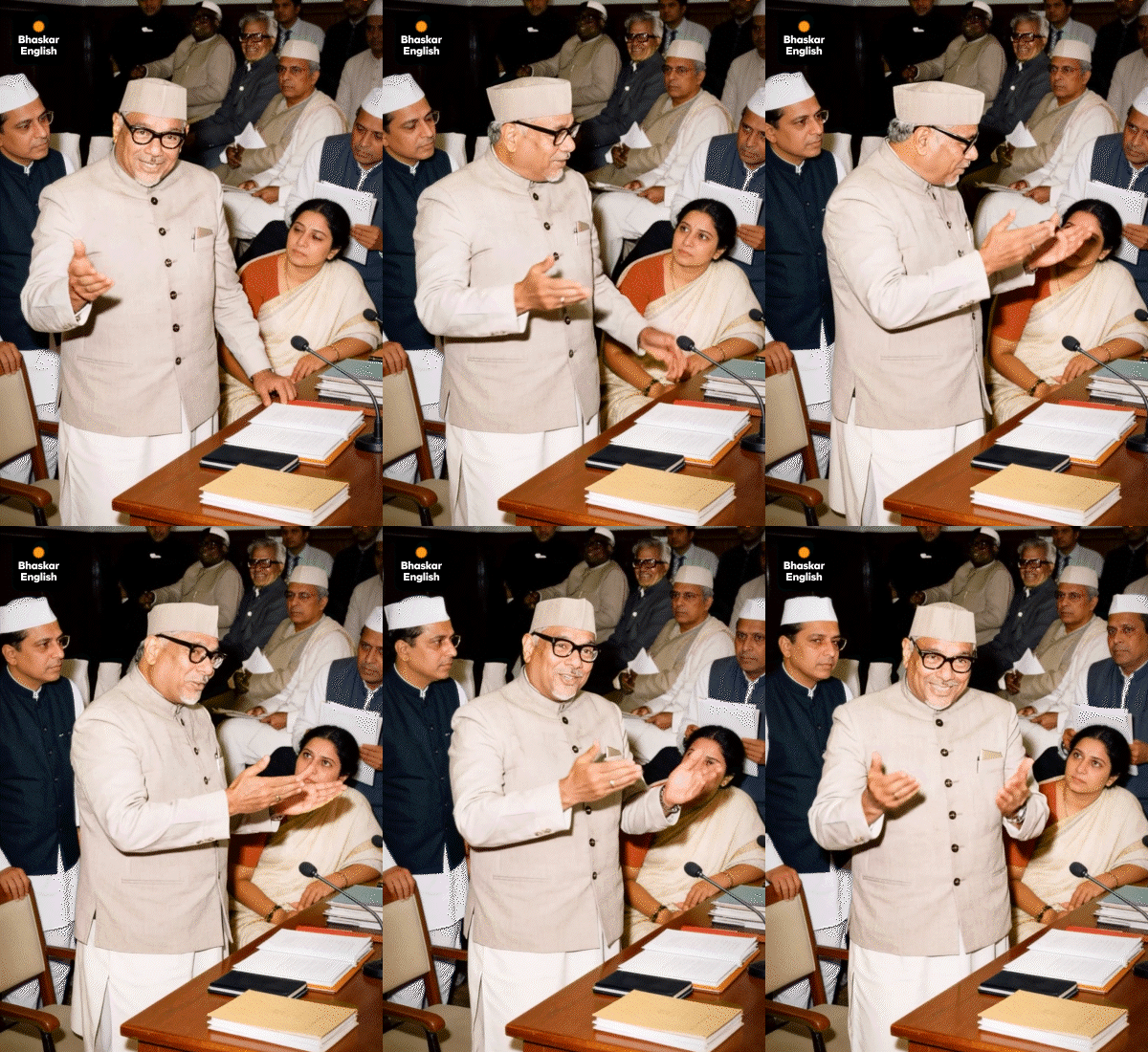
After being released from jail, Raj Narain announced his decision to contest elections against Indira Gandhi in a meeting of opposition parties. (AI Generated)
1977: The Final Reckoning
After 19 months, elections were announced. Raj Narain refused to contest from a ‘safe seat’.’I will fight only from Raebareli,’ he said. Campaigning fiercely, he attacked elitism and arrogant power. When the results were declared, history turned full circle.
Raj Narain: 1,77,719 votes (52%)
Indira Gandhi: 1,22,517 votes (35.7%)
The man who once lost by over a lakh votes had returned to unseat the most powerful leader in the country.
***
References
The Case That Shook India: The Verdict That Led to the Emergency – Prashant Bhushan | Emergency Retold – Kuldip Nayar | Emergency Chronicles: Indira Gandhi and Democracy’s Turning Point – Gyan Prakash | Raj Narain: Not Just a Name, History – Shahnawaz Ahmad Qadri | Raj Narain: The Path of Thought – Dhirendra Srivastava | State of Uttar Pradesh v. Raj Narain (Allahabad High Court Verdict)
Individuals: Prof. Anand Kumar, Suresh Khairnar, Vijay Vidrohi, Dhirendra Srivastava, Shahnawaz Ahmad Qadri.
Creative liberty has been used to make the story interesting.