


Explained: This article explains the political background, key decisions, and possible outcomes related to Explained : Daily Mirror – Sri Lanka Latest Breaking News and Headlines and Its Impact and why it matters right now.
Jasprit Bumrah
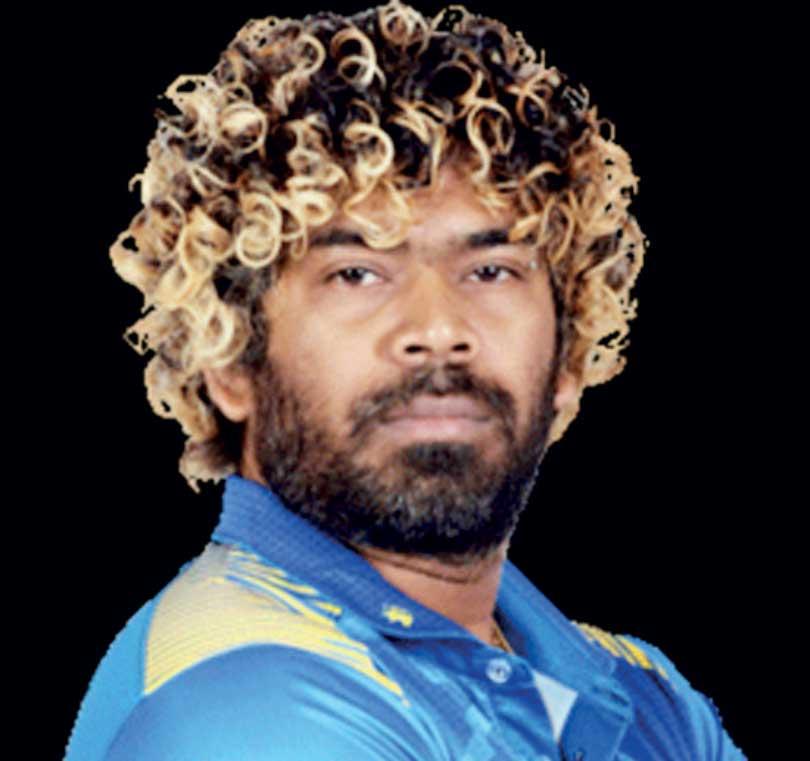
Lasith Malinga
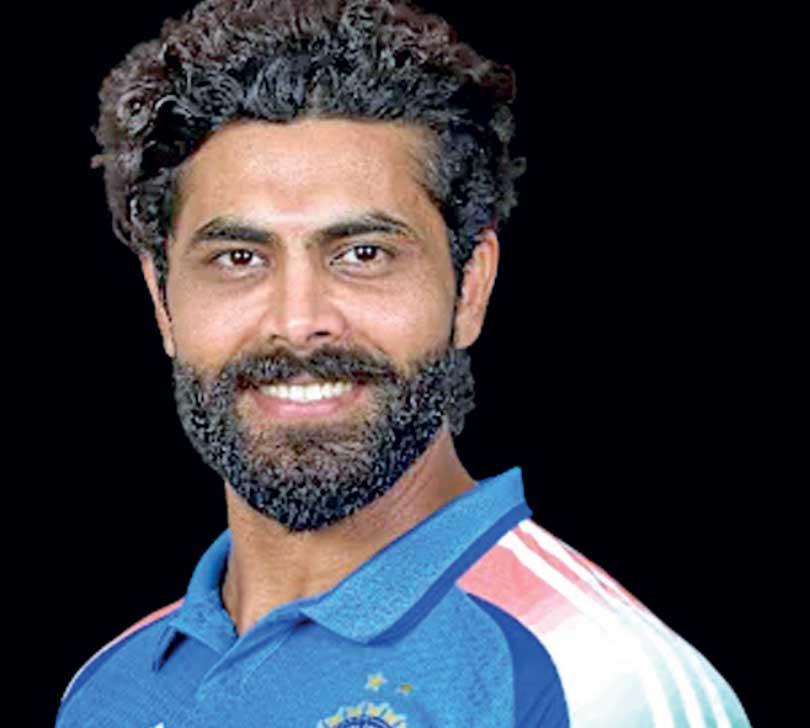
Ravindra Jadeja
Mohammed Azharuddin
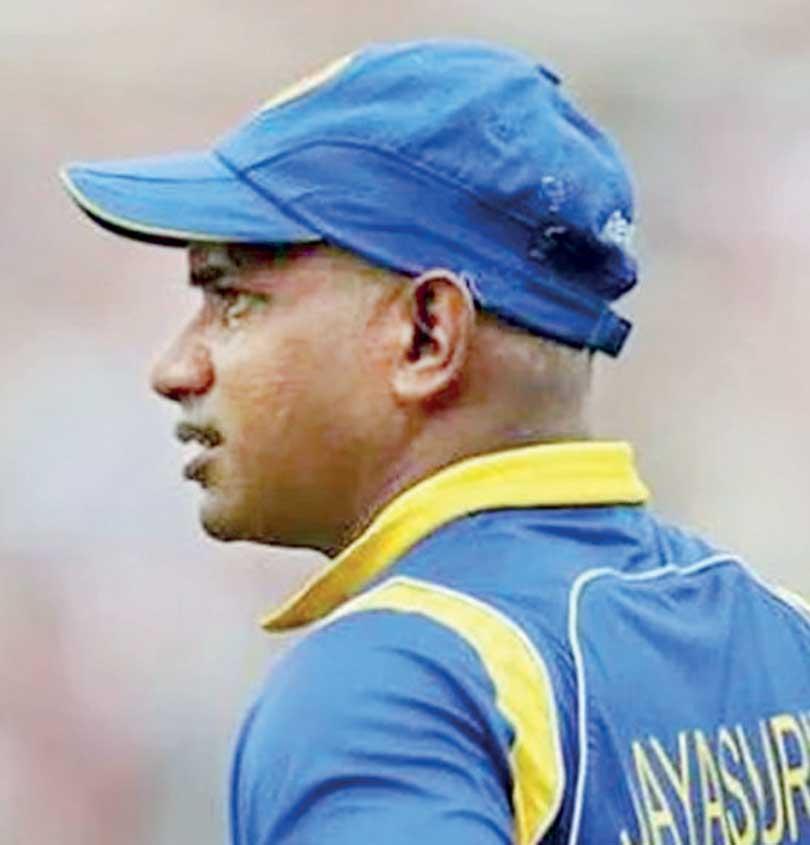
Sanath Jayasuriya
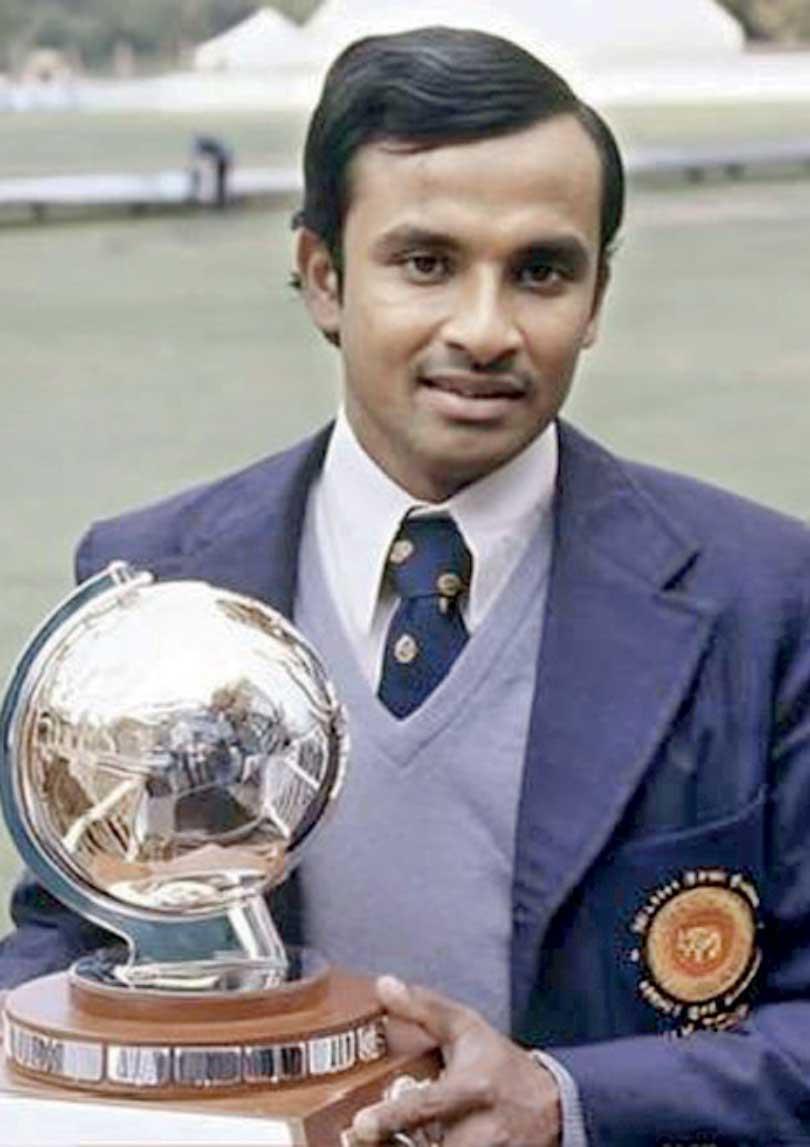
Captain Anura Tennekoon with the ICC Trophy
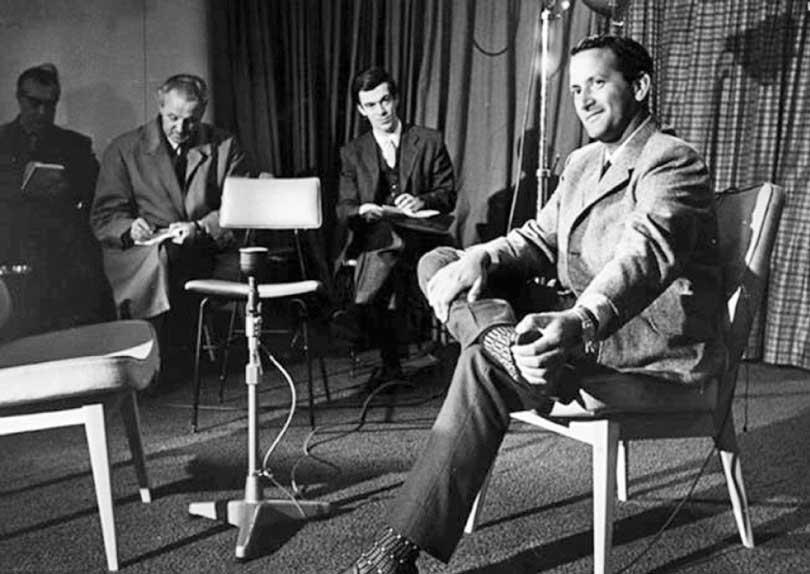
Basil D’Oliveira at a press conference
- As a result, England cancelled its 1968–69 tour. The cancellation of the tour led to South Africa’s isolation from international cricket and grew into a ban on international sporting ties with that country. The boycott came to an end with the dismantling of the system of apartheid in that country in 1991
 Cricket, has long been seen as a great leveller among men/women. It eliminates social, economic, or physical distinctions, rendering everyone equal — a game where elite players can emerge from any background, overcoming social or economic hurdles and is devoid of external interference.
The great equalising influence of cricket is best exposed in the development of several Sri Lankan and Indian cricketers who have risen from humble backgrounds to achieve great international success. Among them are Lasith Malinga, the son of was a bus mechanic. Malinga initially played soft-ball cricket.
The great Sanath Jayasuriya, hailing from Matara, rose from a “rural boy” to be a national captain who revolutionised the one-day international version of the game.
Several Indian Test cricketers too, overcame extreme poverty to reach the pinnacle of the sport. Examples include Jasprit Bumrah who lost his father at age five. He has spoken of having only a single pair of shoes and t-shirt during his early days. Others, include Ravindra Jadeja (son of a watchman), today one of India’s great all-rounders.
Cricket has also acted as an agent of change helping dismantle man-made differences between people, and in the process successfully withstood pressures of power politics at the highest level of the game.
Cricket as an agent of change
As mentioned earlier, cricket has played a major role in breaking down man-made structures which attempted to artificially create superiority between men/women based on race and colour. It successfully challenged the system of apartheid. The event took place over sixty years ago in the run-up to the South Africa vs.England series of 1968-1969.
The series was to be played in South Africa where apartheid was institutionalised. It even demanded teams touring South Africa ensure the non-inclusion of coloured people. Matters came to a head during the selection of England’s cricket team which was due to tour South Africa in 1968-69.
The controversy arose around Basil D’Olivera (a South African-born player of colour) who had emigrated to England. D’Oliveira was selected to play for the English team during its tour of South Africa of 1968-69. He emigrated to England as the apartheid system in South Africa prevented him from reaching the heights of his profession.
Learning of the possibility of D’Oliveira being selected to the English team, the South African regime brought tremendous pressure to bear on English selectors to prevent his selection. They even hinted that if a coloured player were to be selected, the player would not be granted a visa to enter the country.
To forestall the possibility, the South African regime attempted to use its influence among English selectors to keep D’Oliveira out of the British team. When it appeared the selectors would not be pressurised, the South African government attempted to bribe D’Oliveira himself into standing down. D’Oliveira rejected the offer and was subsequently selected to the English team.
When South Africa’s premier Vorster heard that D’Oliveira had been added to the team, he announced the English team would not be allowed into South Africa if it included a player of colour.
As a result, England cancelled its1968–69 tour.The cancellation of the tour led to South Africa’s isolation from international cricket and grew into a ban on international sporting ties with that country.The boycott came to an end with the dismantling of the system of apartheid in that country1991.
During the 1979 ICC Trophy, which served as the qualification tournament for the 1979 Cricket World Cup, Sri Lanka boycotted its match against Israel protesting Israel’s occupation of Palestine and the system of apartheid imposed on Palestinians. Despite the forfeited match, Sri Lanka continued in the tournament, secured qualification for the 1979 Cricket World Cup tournament and went on to win the ICC Trophy. Such has been the power and ethics driving the game of cricket.
It seemed at the time, cricket had been able to overcome the evil of political influence in the game. Sadly today, we are witnessing the gradual infiltration of regional hegemonies into the field of cricket.
India and Pakistan commenced playing each other in 1952.The two countries fought four major wars. However, cricketing ties between Asia’s cricketing giants continued uninterrupted. Cricket had become the glue which brought the people of the two countries together despite political differences.
During the World Cup tournament held in 1996 and co-hosted by India, Pakistan and Sri Lanka, Australian and the West Indian teams refused to play in Lanka claiming security threats.
A joint Indo-Pakistan team captained by Indian captain Mohammed Azharuddin played in Lanka to fill the void.Such was the power of cricket to bring people together despite political differences
However sporting ties between India and Pakistan changed in 2008. In November that year, Pakistani-based terrorists attacked several targets in the Indian city of Mumbai killing over 160 civilians. India suspended the planned 2009 Indo-Pakistan cricket series. It also cancelled all cricketing engagements in Pakistan. Since then, India has refused to play any cricket matches in Pakistan.
Making matters worse, Indian cricket captains refuse to shake hands with their counterparts, and the attitude of Indian players toward their Pakistani counterparts as seen during the recently concluded ‘Asia Cup’ left much to be desired.
Contrasting scenarios
This is quite in contrast to how the Indian and Lankan teams interacted during the time Lanka was battling terrorism, and India was one of the promoters of terrorism in our country. Between 1983 and May 2009, Sri Lanka was engulfed in a brutal war with a terrorist organisation — the Liberation Tigers of Tamil Eelam (LTTE).
The LTTE carried out hundreds of attacks in Lanka. The targets were both military installations as well as civilian population centres. Well documented evidence showed the Indian government provided the terrorists arms, ammunition, camps and training facilities.
Thousands of Lankan civilians were killed in insurgent attacks. Diverse areas from the northern and eastern provinces, (where the terror organisation was based) came under attack.The terror group also attacked Sinhalese villages which bordered the two provinces as well as the city of Colombo, its airport, the Central Bank and the Dalada Maligawa which houses the sacred tooth relic of the Buddha in the central hills.
India made no effort to reign the terrorists in.The Indian state of Tamil Nadu went a step further even banning Lankan cricketers who played for the Indian Premier League (IPL) from playing in that state. The Indian government did nothing to challenge the then Chief Minister, nor did the Board of control for Cricket in India (BCCI) intervene in the matter.
Cooler heads prevailed in Lanka, and its sporting ties with India remained undamaged. Indian cricket teams were welcomed into the country. Individual Indian cricketers like Sachin Tendulkar, Rohit Sharma, Virat Kohli and Bumrah are heroes here. But support for the Indian cricket team even today remains low, a hangover from Indian political intervention in Lanka. But there was never a thought of refusing to play against India in India or in hosting matches here.
Regional politics
Unfortunately, India has been involved in political conflicts with nearly all of her South Asian neighbours. The earliest conflict involved Pakistan. The two countries have fought major wars against each other (1965, 1971 and 1999). Despite the political animosity, the two cricket-mad nations continued playing each other.
However, as mentioned earlier, since 2008 India has stopped tours to or from Pakistan
More recently, after Bangladeshi premier Sheikh Hasina was ousted from power, she fled to India. Since then, relations between the two countries deteriorated. In what is seen as a very narrow-minded act, the Board of Control for Cricket in India (BCCI) issued a directive ordering the removal of Bangladeshi pace bowler Mustafizur Rahman from the Indian Premier League tournament earlier this year on grounds tensions between the countries.
The move sparked outrage in Bangladesh, and it led to the government banning IPL telecasts in the country.The Bangladesh Cricket Board (BCB) urged the International Cricket Council (ICC) to shift their (Bangladesh’s) T20 World Cup group matches out of India.
Surprisingly, the ICC rejected Bangladesh’s request and ejected Bangladesh from the tournament, naming Scotland as its replacement in the tournament. The ICC ruling is seen as giving in to pressure from India. Just months earlier, BCCI sought a neutral venue for its match against Pakistan, refusing to tour that country. The ICC accommodated the Indian request.
The decision drew criticism from the Pakistan Cricket Board (PCB).The PCB accused the ICC of “double standards,” citing its accommodation of India’s refusal to tour Pakistan for the Champions Trophy last year. It threatened to withdraw from the T-20 World Cup tournament, throwing the series into chaos.
Sri Lanka’s intervention in requesting the Pakistan Cricket Board to withdraw its decision will probably save the tournament organisers blushes and the tournament will continue. Bangladesh has also requested Pakistan not to withdraw from playing India.
While boycotting a game on ethical grounds is acceptable use of financial clout, power and regional politics should have no place in the game.