


Lifestyle Trend:Discover lifestyle trends, travel ideas, and practical tips related to Lifestyle Trend: Opinion: The Future of the Gulf’s Luxury Market and Oil-Rich Monarchies You Should Know – You Should Know
Borders, Boulevards and the New Gulf: After the Storm
Few regions on Earth have been as synonymous with opulence, soaring skylines and improbably clean beaches as the Gulf. From the gleaming minarets of Dubai and Abu Dhabi to the seductively lit Corniche of Doha, this stretch of desert-fused coastline rewrote luxury travel in the 21st century. But in late February 2026, that carefully cultivated image of stability was rattled.
A series of intense missile and drone barrages — launched by Iran in retaliation for coordinated U.S.–Israeli strikes on Iranian territory — swept across the Arabian Gulf, bringing conflict into a region long admired for its orderly prosperity. Iran’s retaliation hit military targets but also urban edges and infrastructure across Qatar, the United Arab Emirates, Bahrain, Kuwait, Saudi Arabia and beyond, momentarily turning icons like Dubai’s Jebel Ali Port and the approaches to Al Udeid Air Base into smoky tableaux under alert sirens. (The Sun Malaysia)
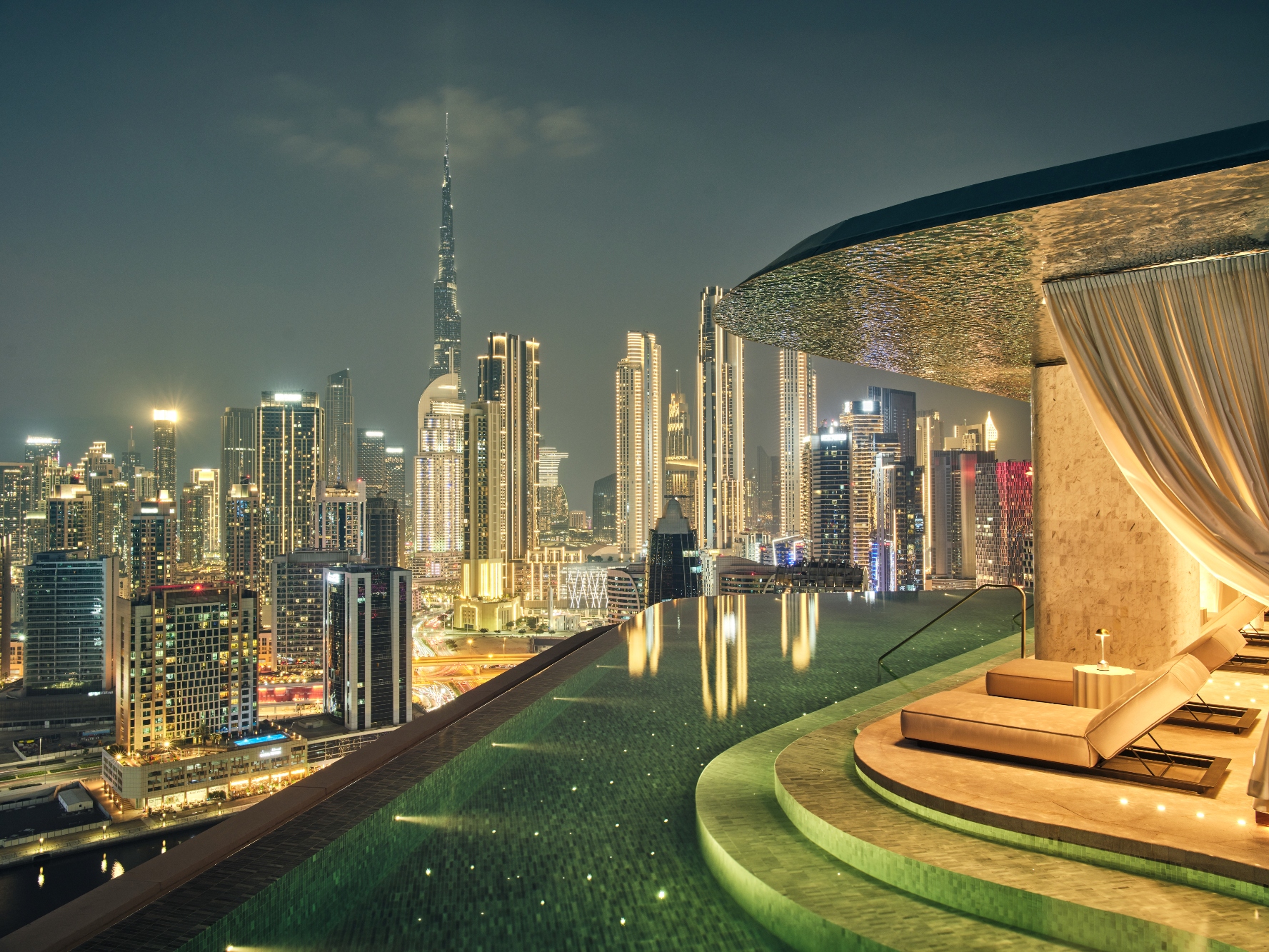
The attacks were among the most geographically widespread in decades, underscoring just how quickly the delicate balance of Gulf security — buoyed for years by U.S. force projection — can teeter. (mint)
The Ripple Effect: From Skylines to Supply Chains
The immediate impact was dramatic: airports temporarily closed, airspace restrictions were imposed and carriers cancelled flights. Luxury hotels stationed their guests indoors under travel advisories, while financial markets wavered on fears of disrupted energy supplies. (The New Arab)
For a region where tourism, events and ultra-high-end retail are cornerstones alongside oil wealth, the blow could have been severe. Yet here’s where the Gulf’s resilience story begins.
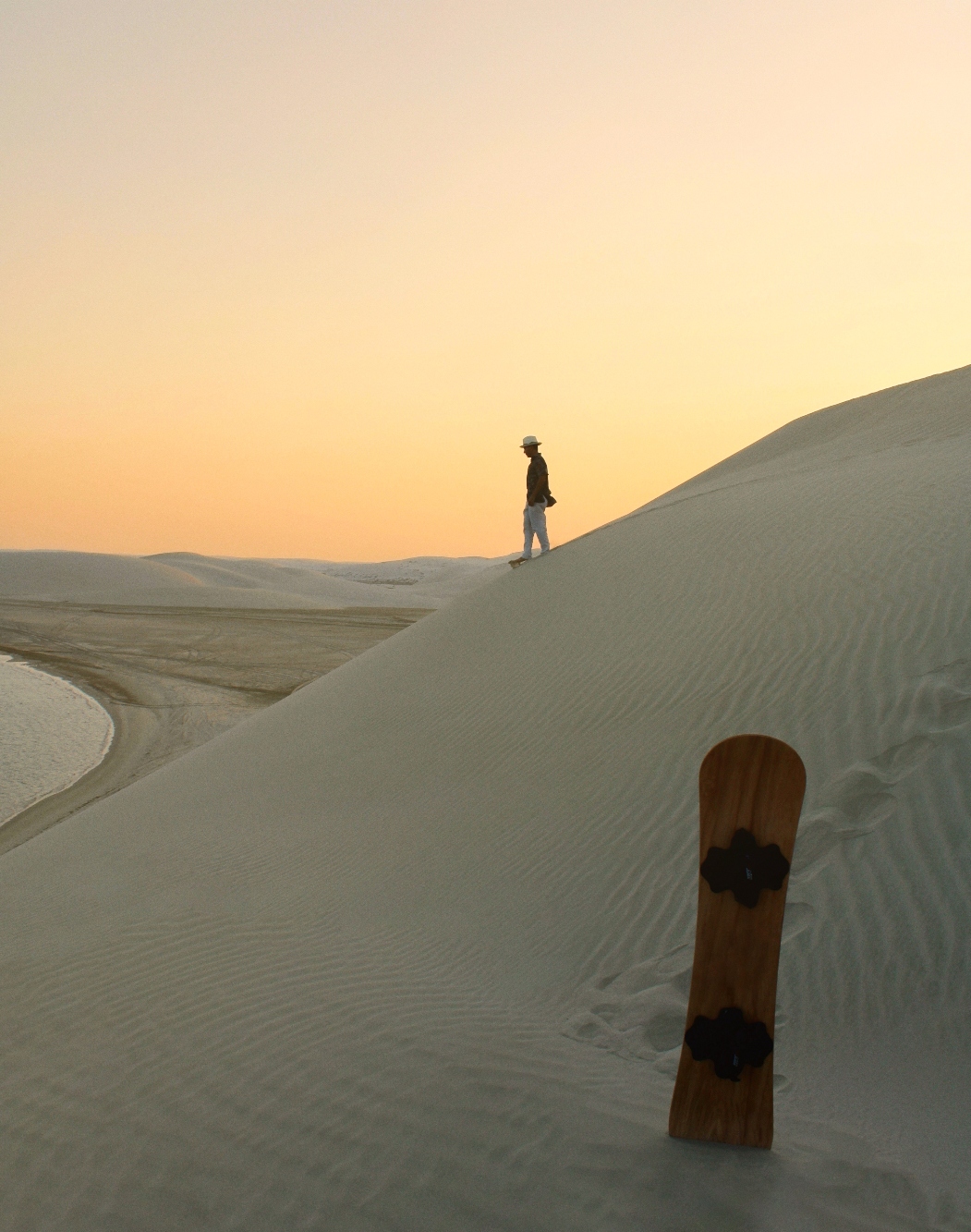
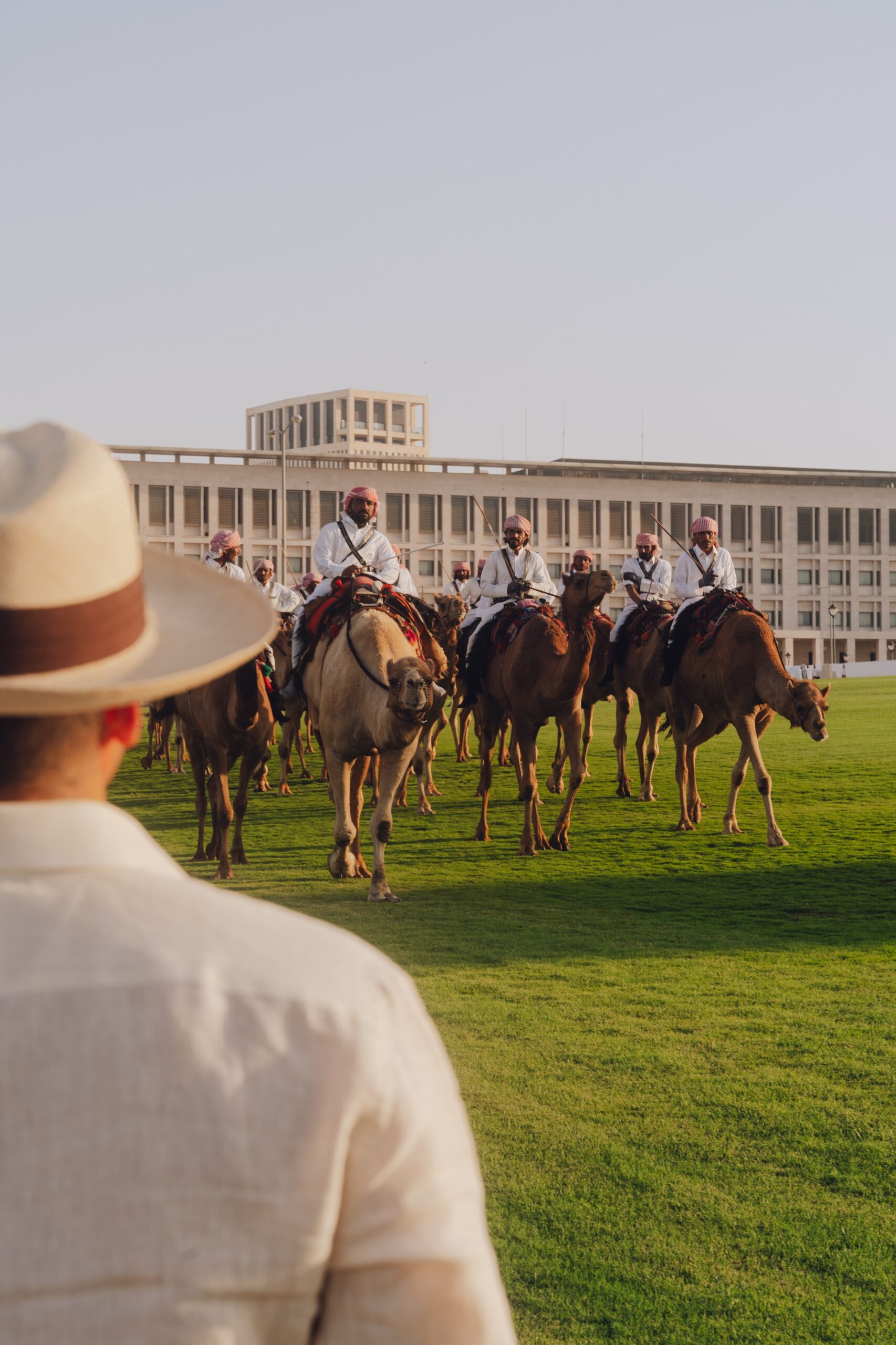
Luxury Travel: A Quick Reset, Not a Decline
The vision that once made this corner of the world a magnet for jet-setters — art fairs in Doha, yacht shows in Dubai, desert polo in Ras Al Khaimah — has not vanished. What it has gained, however, is nuance.
Where once the narrative leaned on carefree glamour, we now see a tourism strategy with three new vectors:
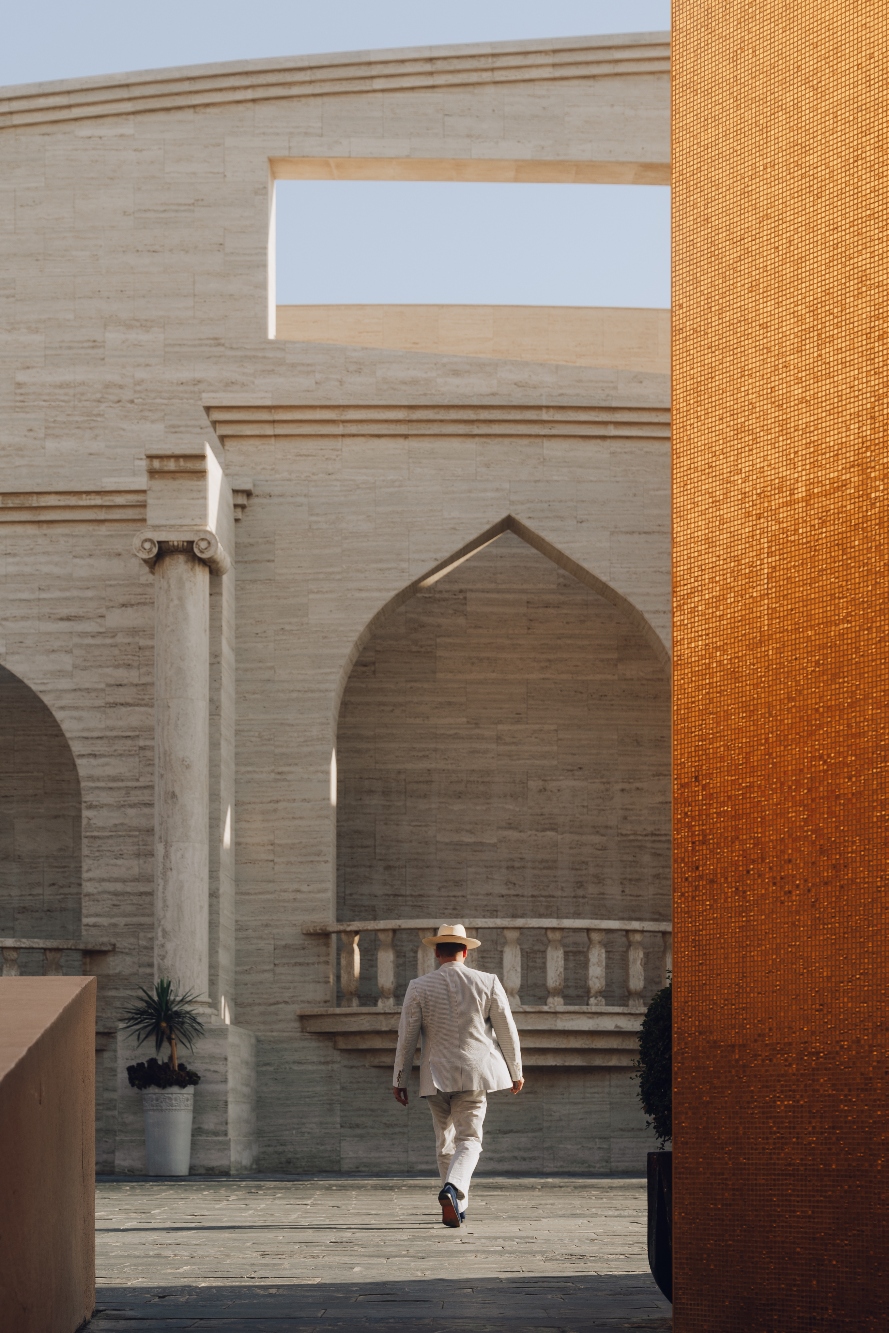
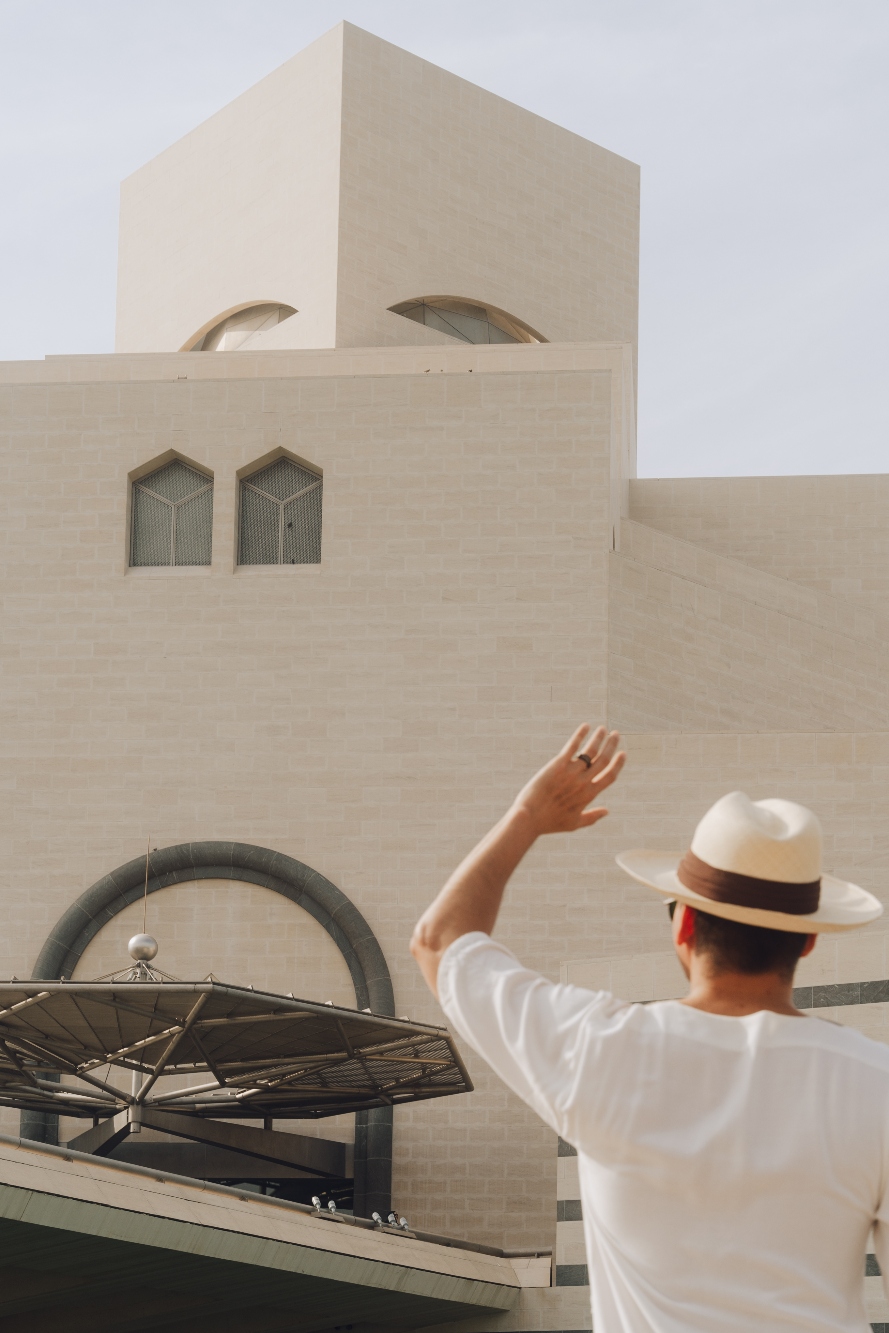
Security-First Hospitality: Grand hotels and resorts are recalibrating with visible safety protocols — from urban evacuation plans to digital alerts for guests — integrating security as a standard expectation rather than an afterthought.
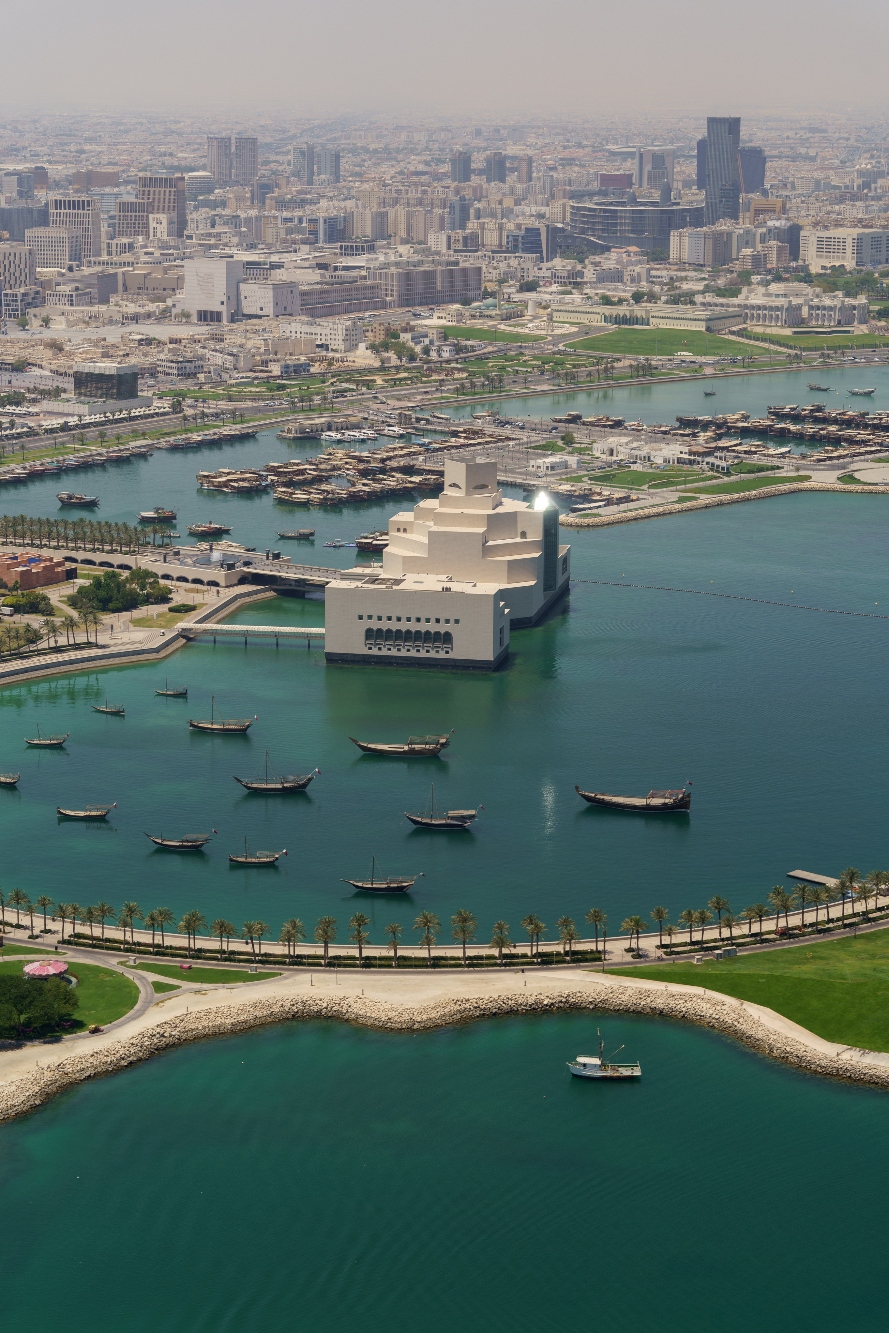
Experiential Diversity: Abu Dhabi’s cultural district, Qatar’s museum circuit and Saudi Arabia’s emerging Red Sea offerings are pivoting toward immersive, low-density experiences that appeal to affluent travellers seeking substance over spectacle.
Sustainable Luxury: Gulf nations are leaning into eco-friendly tourism and bespoke retreats — a move that softens reliance on mega-events and capitalises on an audience willing to pay for both meaning and exclusivity.
In short, the luxury market is not retreating — it is evolving.
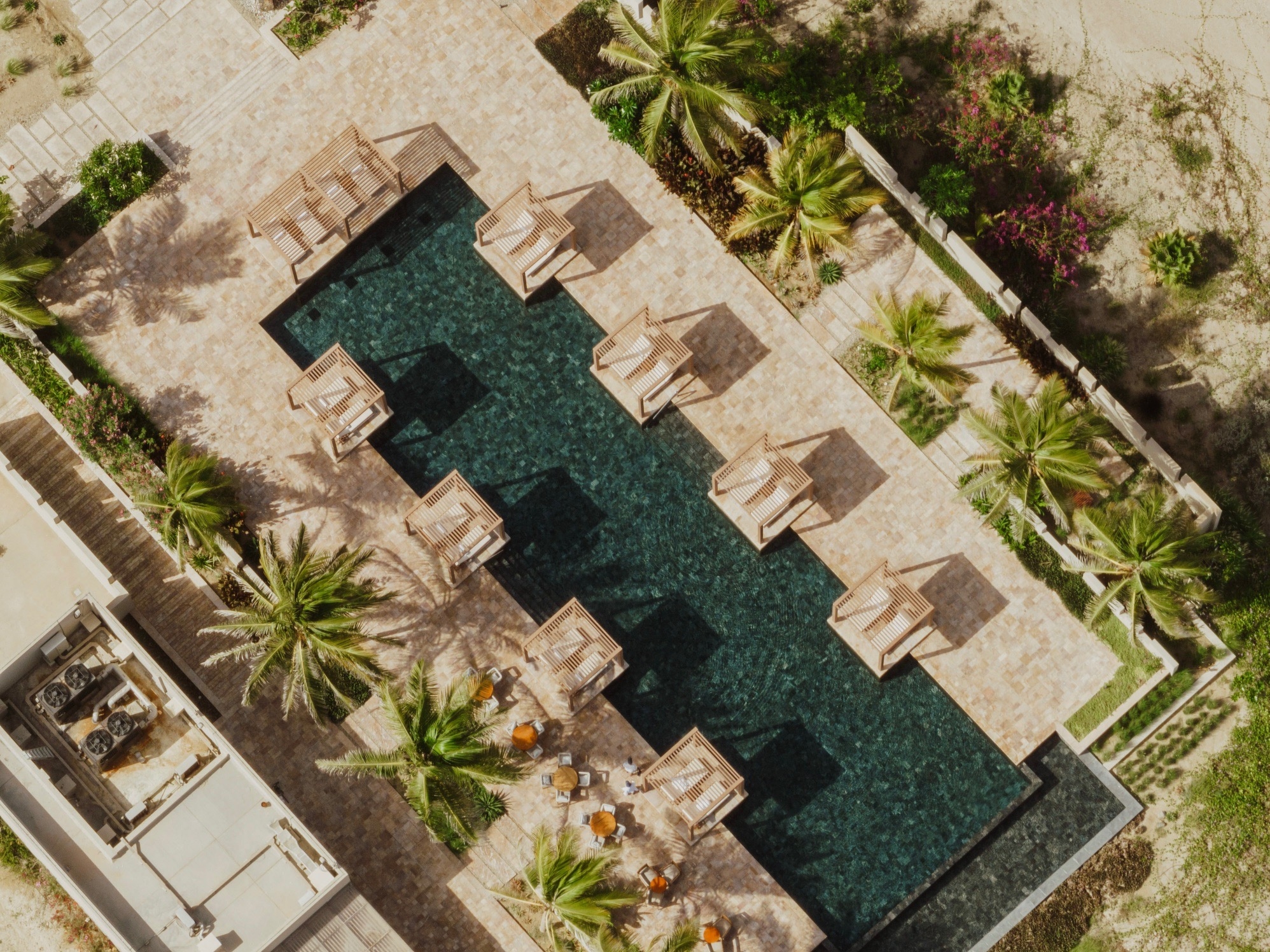
Oil, Gas and Strategic Fortitude
This was never only a travel story. The Gulf’s oil and liquefied natural gas exports — vital to global energy markets — have also felt the shockwaves. Qatar’s LNG output was halted temporarily after infrastructure was targeted, removing a significant portion of global supply, while facilities in Saudi Arabia took precautionary shutdowns. (Reuters)
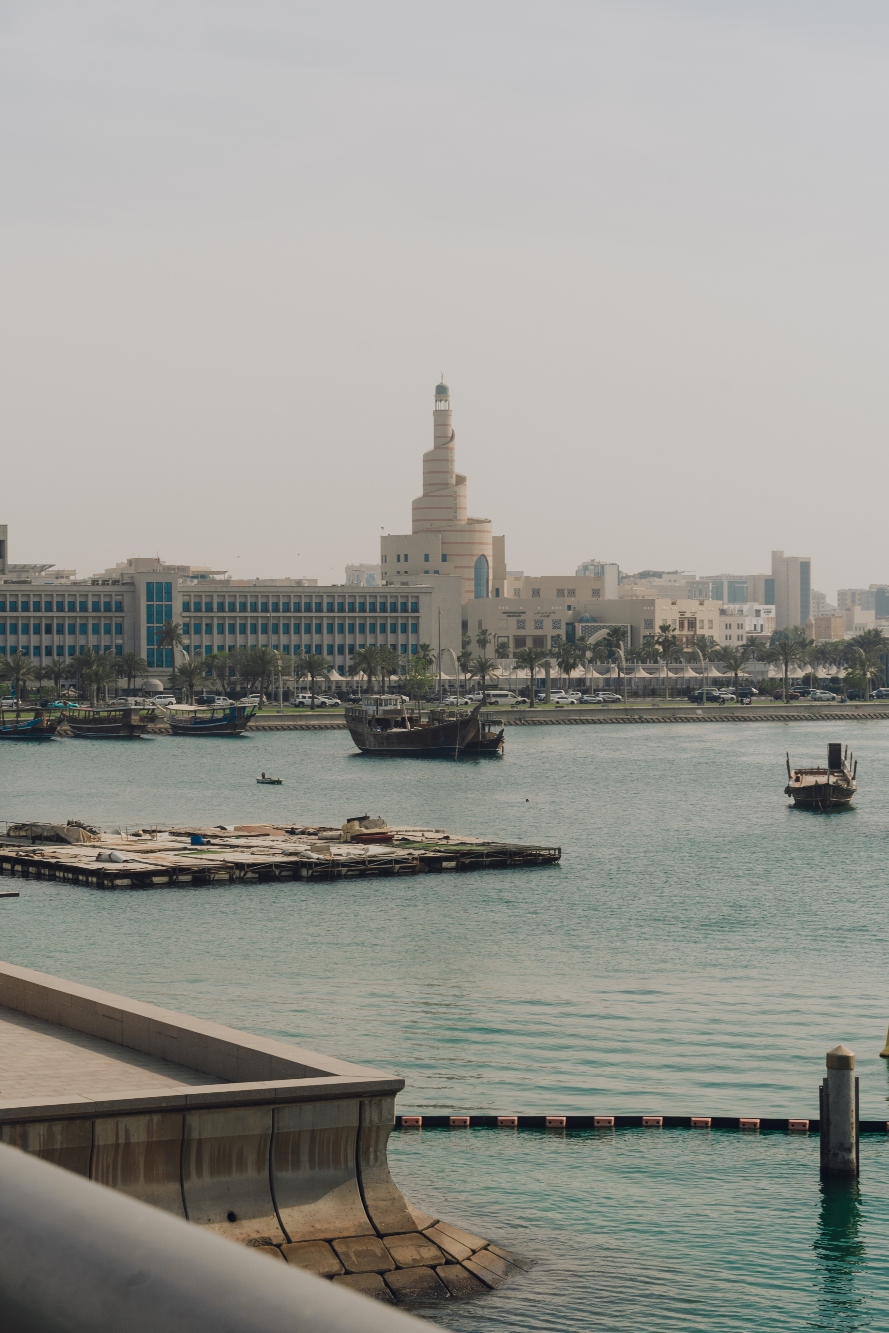
Yet the broader picture suggests containment, not collapse. Gulf states swiftly condemned the attacks, coordinated regional security responses and emphasised diplomatic channels even as they defended sovereignty. (The Washington Post) That cohesion — between Riyadh, Abu Dhabi, Doha, Manama and Kuwait City — is notable in a region once fragmented by rivalries. It speaks to a renewed commitment to safeguarding economic engines even amid geopolitical headwinds.
Major energy stakeholders and OPEC members are signalling continuity. Crude exports continue, strategic reserves are engaged and contingency plans for shipping around the Strait of Hormuz have been dusted off but not activated in panic. Insurance costs for war-risk coverage and freight rates may tick upward, but the global economy sees the Gulf still as a reliable partner in energy and investment.
Where the Future Stands
Stability, not stagnation. That is the emergent theme.
Yes, the Gulf was jolted. But rather than retreat into isolation, the region has doubled down on three pillars:
Economic diversification: tourism, fintech, culture and entertainment are now threads as important as pipelines.
Security integration: realigning defense postures without abandoning openness to trade and travel.
Soft power diplomacy: balancing ties with the U.S., Europe and pivoting partners in Asia while maintaining a cautious dialogue with neighbours.
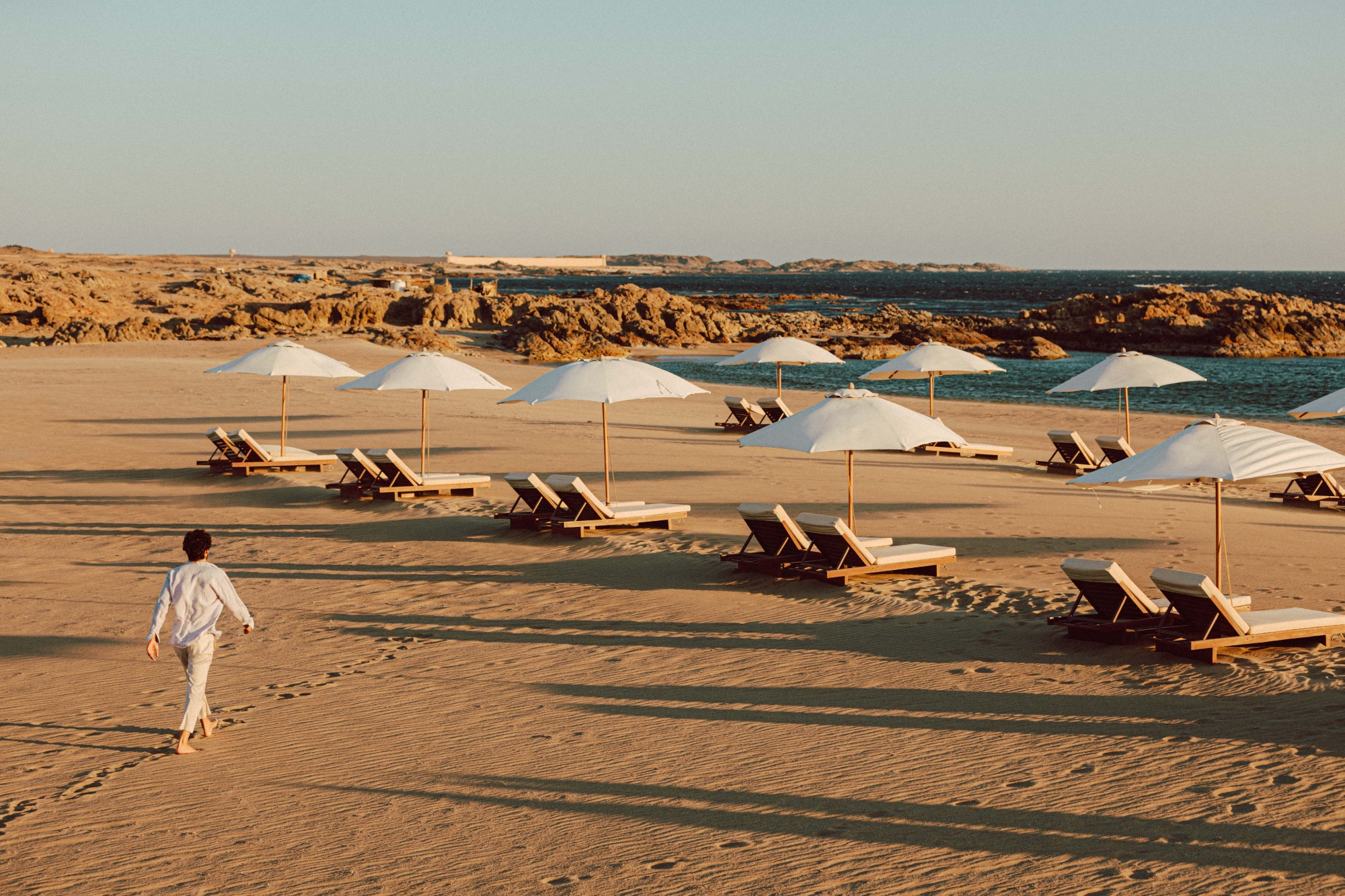
If there’s a travel trend emerging from the recent unrest, it’s that the Gulf’s brand of luxury is maturing — from untouchable fantasy to resilient, sophisticated experience. The hotels, museums, deserts and beaches remain; only the lens has shifted. Travellers are no longer just guests in the Gulf — they’re witnesses to its next chapter. A chapter that doesn’t deny history, but embraces complexity — and invites the world to look beyond the headlines.
For more on the latest in lifestyle, culture and travel reads, click here.