


Lifestyle Trend:Discover lifestyle trends, travel ideas, and practical tips related to Lifestyle Trend: Must-Visit Destinations On The Silk Road You Should Know – You Should Know
Uzbekistan, the heart of Central Asia, is a land where history, culture, and breathtaking landscapes converge. Once a vital hub on the ancient Silk Road, the country is home to dazzling mosques, bustling bazaars, and architectural wonders that have stood for centuries. In 2026, Uzbekistan is emerging as one of the most exciting destinations for global travelers. With improved infrastructure, growing international connectivity, and a renewed focus on cultural tourism, this year offers the perfect opportunity to discover its treasures. Whether you’re drawn to history, adventure, or simply the charm of a lesser‑explored destination, Uzbekistan promises an unforgettable journey. (Image: Canva)
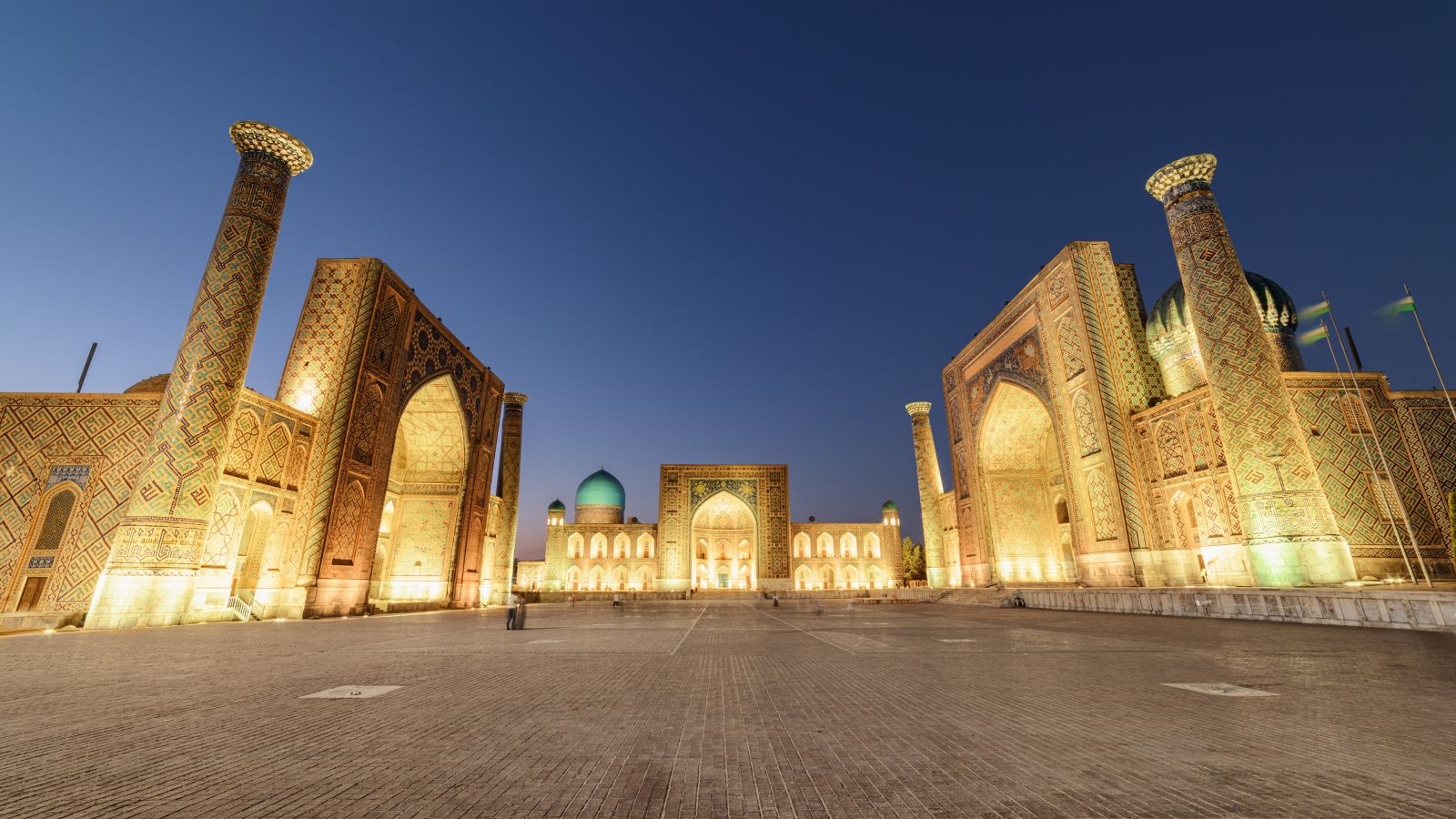
Samarkand: No trip to Uzbekistan is complete without visiting Samarkand, one of the oldest continuously inhabited cities in the world. Known as the “Pearl of the East,” Samarkand dazzles with its monumental architecture. The Registan Square, framed by three grand madrasas, is a masterpiece of Islamic art and design. The Gur‑e‑Amir Mausoleum, resting place of the conqueror Timur, and the Bibi‑Khanym Mosque are equally awe‑inspiring. In 2026, Samarkand is expected to host cultural festivals that highlight its Silk Road heritage, making it an even more vibrant destination. (Image: Canva)
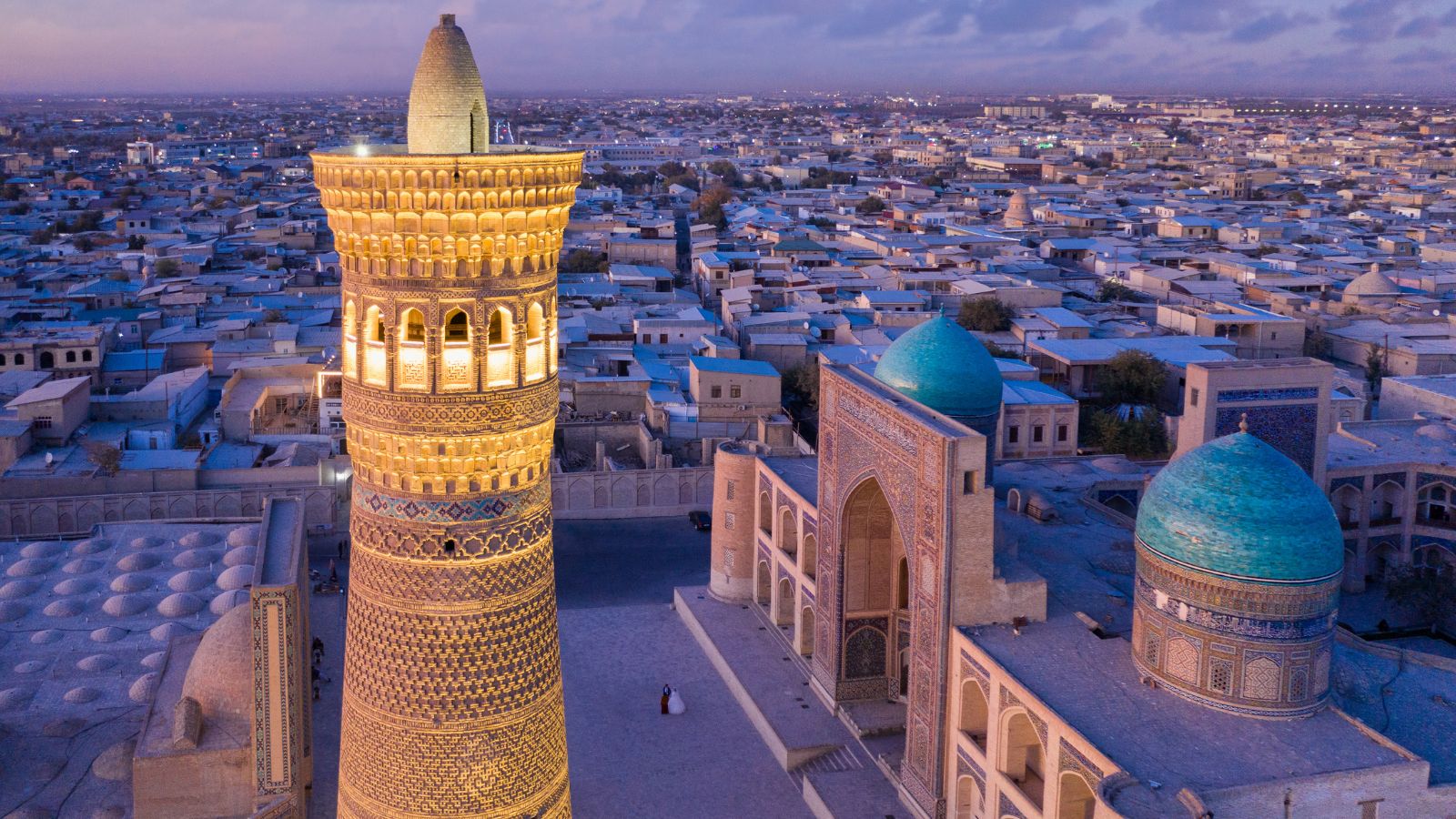
Bukhara: Bukhara is often described as a “living museum,” with over 140 architectural monuments preserved in its historic center. The Ark Fortress, once the seat of Bukhara’s rulers, and the Po‑i‑Kalyan complex, with its towering minaret, showcase the city’s grandeur. Strolling through the old town feels like stepping back in time, with caravanserais, bazaars, and mosques lining the streets. In 2026, Bukhara’s tourism board is focusing on immersive experiences, including guided walks through its UNESCO‑listed old town and traditional craft workshops. (Image: Canva)
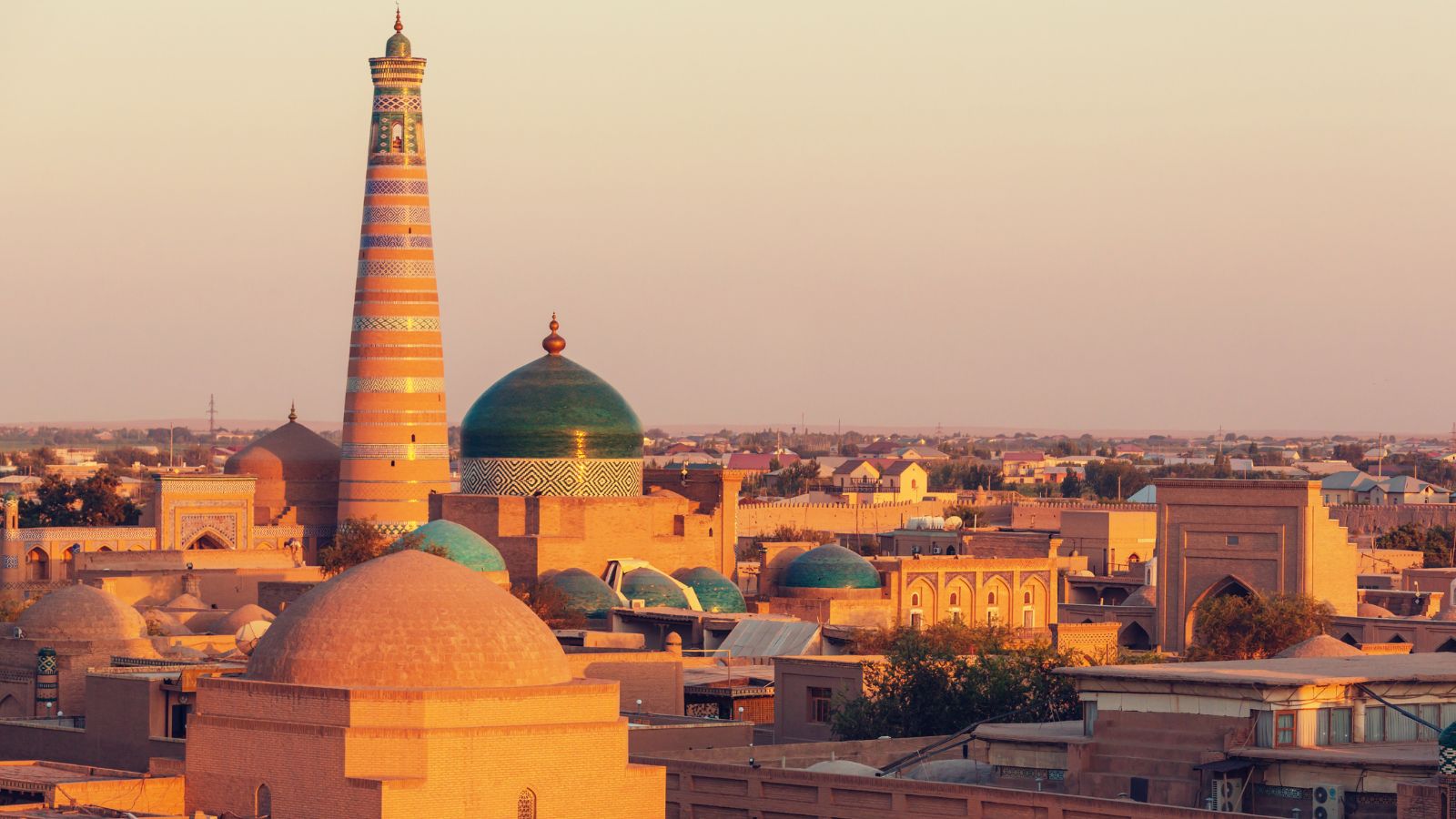
Khiva: Khiva’s Itchan Kala, the inner walled city, is a UNESCO World Heritage Site that feels like a perfectly preserved medieval town. Its mud‑brick walls, minarets, and palaces create a magical atmosphere. Highlights include the Kalta Minor Minaret, famous for its unfinished yet striking turquoise tiles, and the Kunya‑Ark Citadel. Khiva is smaller and more intimate than Samarkand or Bukhara, making it ideal for travelers who want to soak in history at a slower pace. In 2026, Khiva is expected to expand its cultural programs, offering performances of traditional music and dance within its historic walls. (Image: Canva)
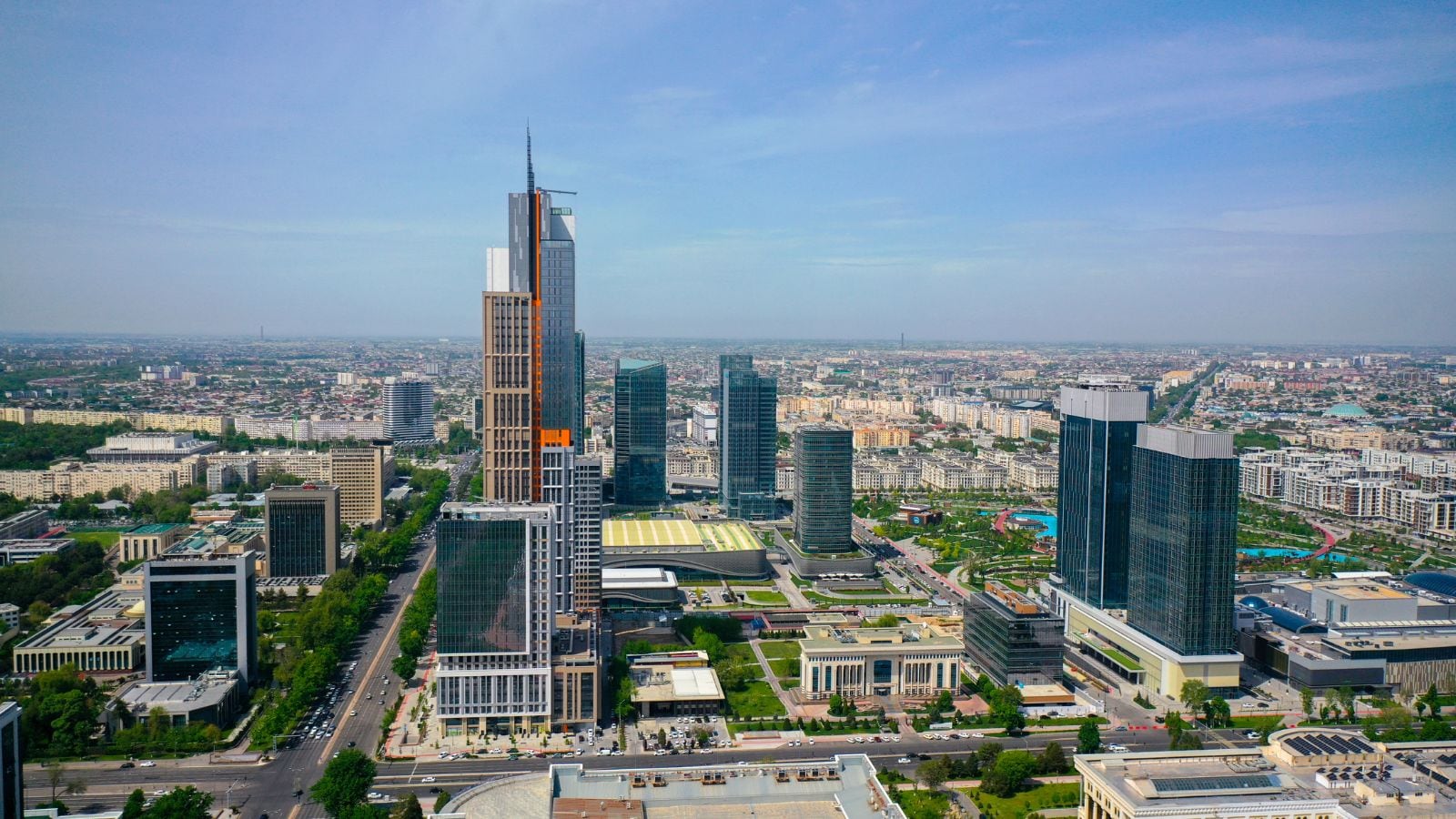
Tashkent: While Uzbekistan’s ancient cities steal the spotlight, the capital Tashkent offers a fascinating blend of modernity and tradition. Sleek boulevards, Soviet‑era architecture, and vibrant markets coexist with historic sites like the Khast Imam Complex, home to one of the world’s oldest Qurans. Tashkent is also a gateway to the rest of the country, with improved flight connections in 2026 making it easier than ever to explore Uzbekistan. The city’s growing café culture and contemporary art scene add a modern twist to your journey. (Image: Canva)
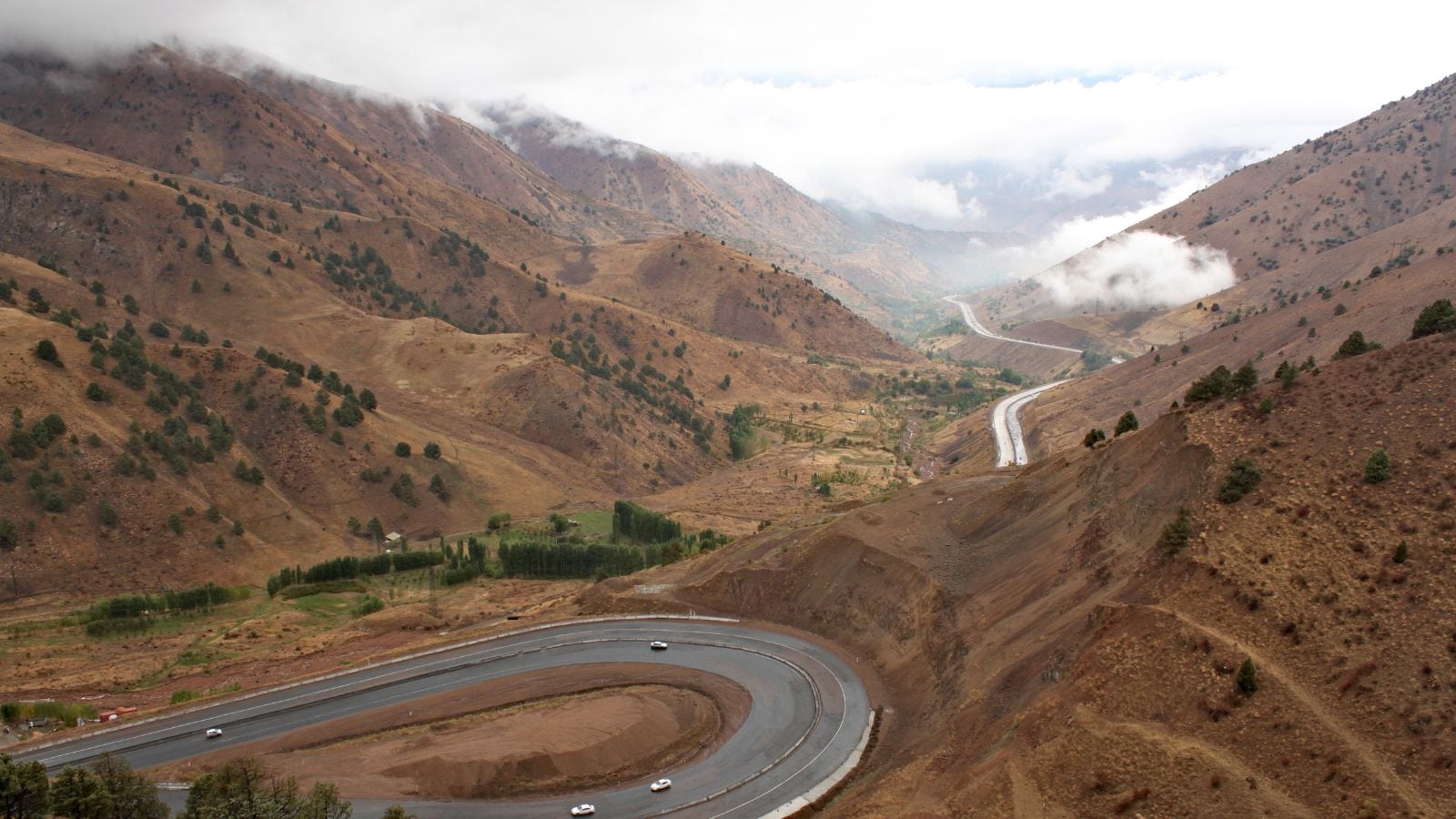
Fergana Valley: The Fergana Valley is renowned for its lush landscapes and artisanal traditions. This region is the birthplace of Uzbekistan’s famous ikat textiles and delicate ceramics. Towns like Margilan and Rishtan are perfect for experiencing local craftsmanship firsthand. In 2026, the valley is expected to host expanded cultural fairs, giving travelers the chance to interact with artisans and learn about centuries‑old techniques. (Image: Canva)
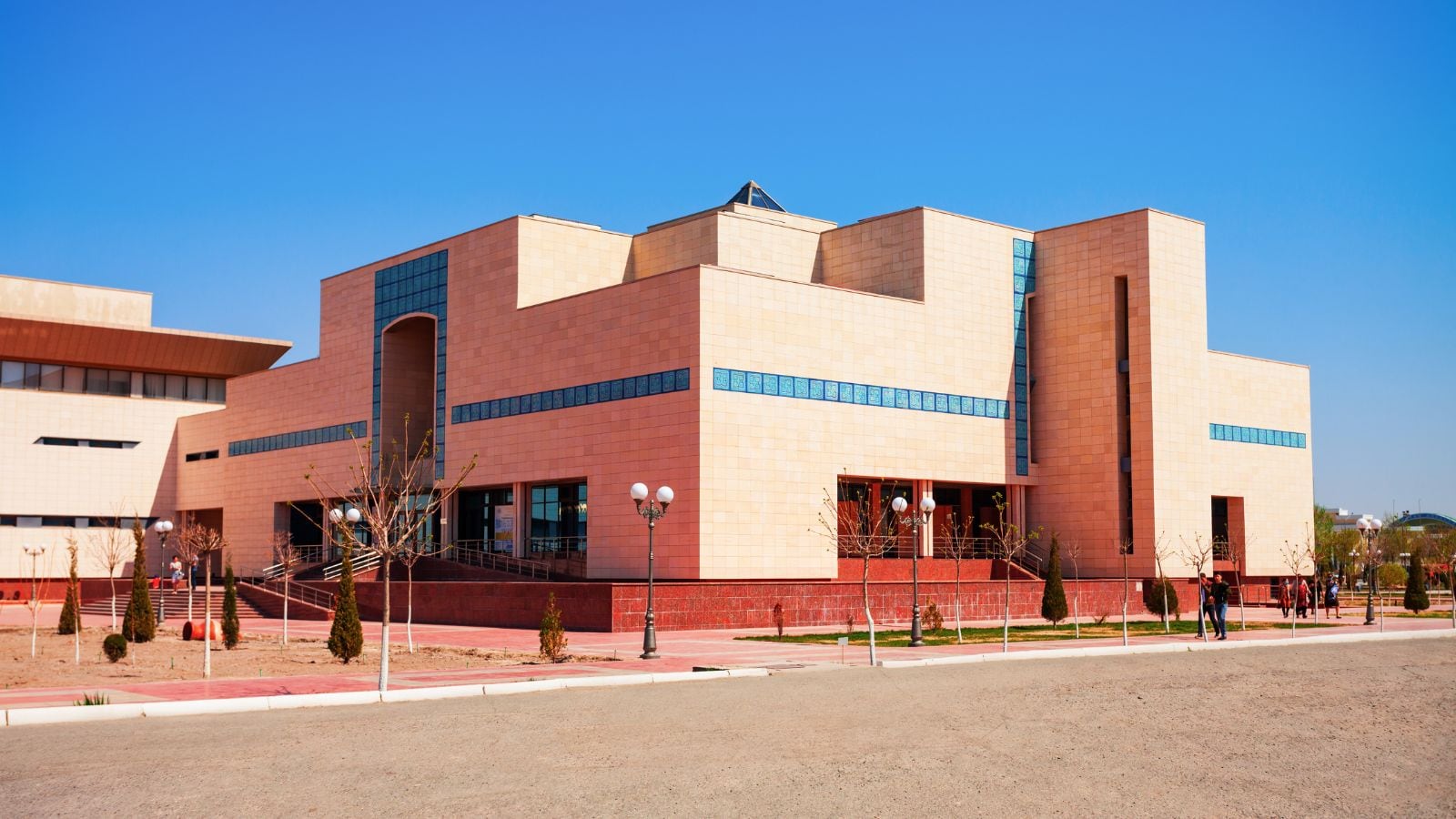
Nukus: Located in the remote Karakalpakstan region, Nukus is home to the remarkable Savitsky Museum, often called the “Louvre of the Steppe.” The museum houses one of the world’s largest collections of avant‑garde art, much of it preserved during Soviet times. Beyond art, Nukus offers access to the haunting landscapes of the Aral Sea, where travelers can witness the environmental changes that have reshaped the region. In 2026, eco‑tourism initiatives are expected to highlight the importance of sustainable travel here. (Image: Canva)