


Health Update: Health Update: Wellness movements and education drive the protein market in China – What Experts Say– What Experts Say.
The protein market in China is expected to grow from USD 2.76 billion in 2025 to 2.96 billion in 2026. The market is forecasted to reach USD 4.22 billion in 2031 with 7.8% CAGR between 2026 and 2031. According to the Food and Agriculture Organization of the United Nations, Chinese people have been eating 7 more grams of protein per capita than Americans ever since 2021.
Download our China F&B White Paper
Protein as part of a larger health movement
According to the Chinese National Health Commission, over half of Chinese adults are now overweight or obese. Additionally, increasing awareness from the government’s “Healthy China 2030” initiative has driven demand for health and wellness services for leading healthier lifestyles. The general shift towards promoting a healthier diet for consumers has resulted in increased demand for snacks with lower calories and higher protein content.
Young, urban consumers in Tier 1 cities such as Beijing and Shanghai are the main drivers behind the demand for protein-rich foods such as protein supplements, functional beverages, and healthy snacks. A Statista survey from March of 2025 found that 46% of protein supplement consumers in China were millennials. The protein-rich diet fits into the growing health and wellness market in China, which is the second largest in the world and valued at USD 950 billion.
Expansion beyond fitness communities
Broader product marketing is also a driving factor behind the success of the protein market in China. Protein has transcended the gym and fitness identity and is marketed as a broader lifestyle and cultural trend. Brands position products in ways that emphasize energy, brain function, and health that go beyond muscle building. For example, FFit8, a leading protein bar company in China, centers its marketing on colorful graphics that showcase bar flavors without a heavy technical emphasis.
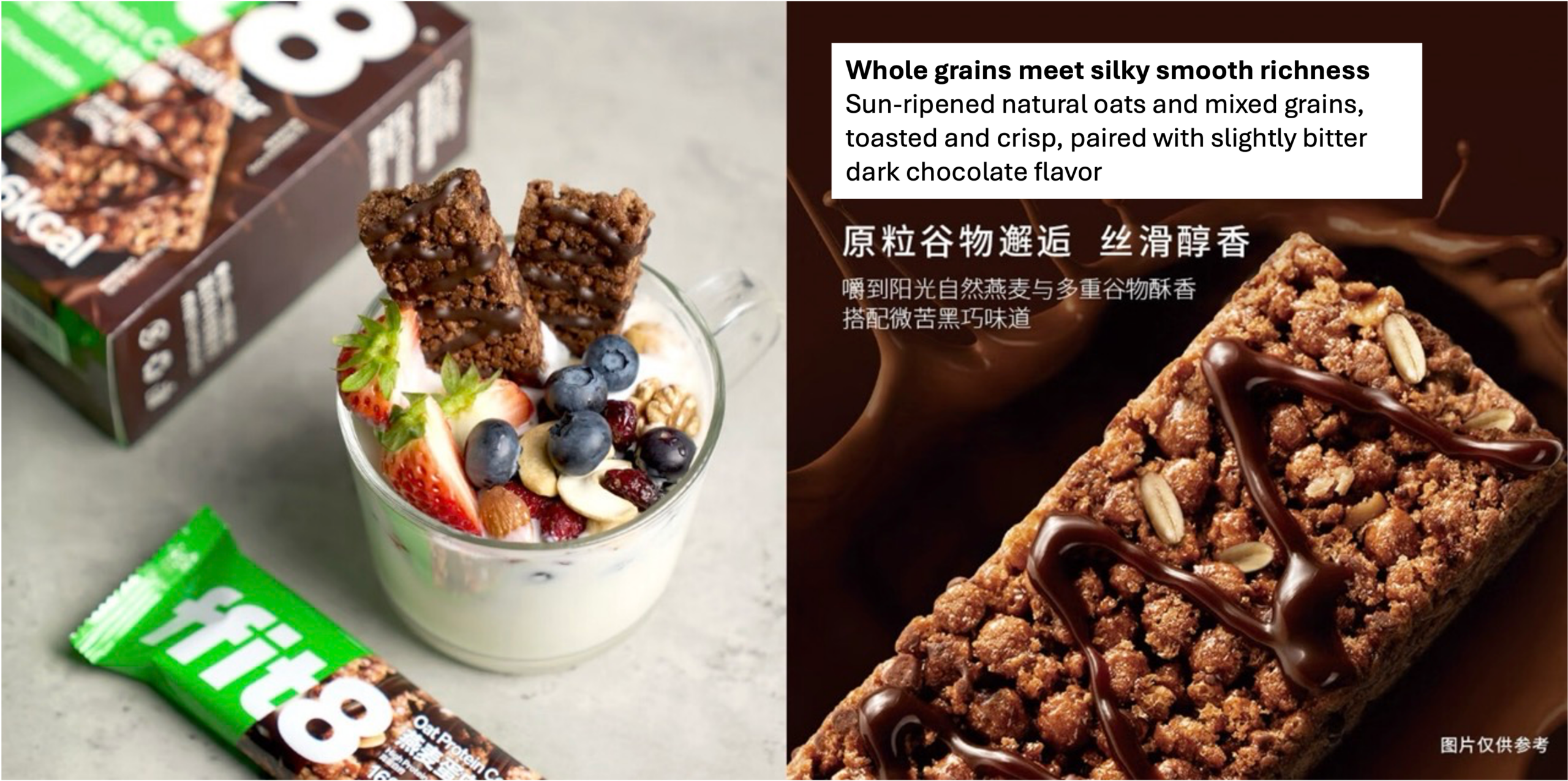
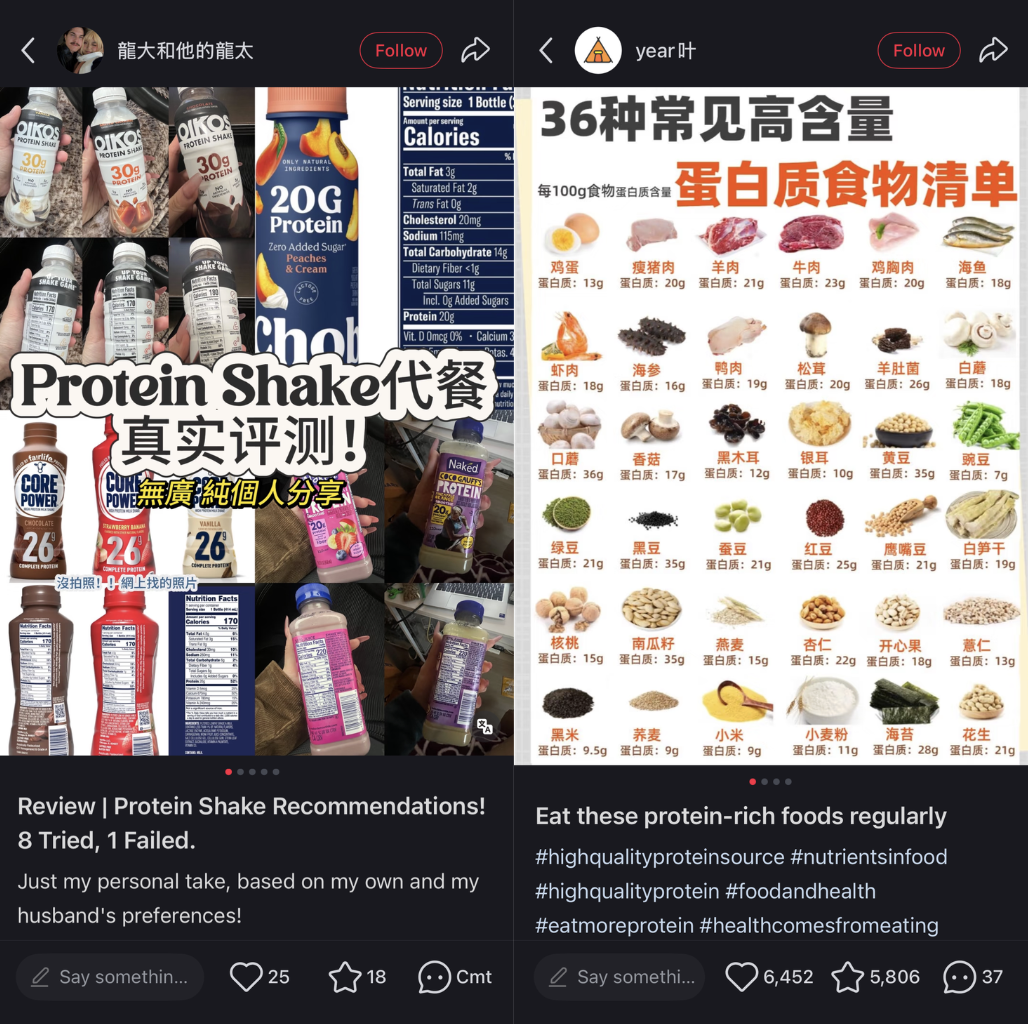
In terms of the young, urban consumer, high-protein foods are treated as fashionable and modern. Platforms such as Douyin and Xiaohongshu (or Little Red Book in China) contribute to the protein popularity by showcasing protein smoothies, protein snacks, and plant-based proteins as aspirational life choices. This in turn motivates consumers to adopt diet changes from seeing peers make similar choices. Protein is also a part of the growing popularity of on-the-go nutrition in the form of ready meals and functional food for busy lifestyles.
Growing plant-based protein segment
The Chinese protein market is also rapidly diversifying in terms of protein source. Younger generations and health-conscious individuals are seeking high-protein foods beyond traditional meat. According to Mordor Intelligence, soy and pea-based proteins are the most common plant-based proteins, along with many new types that are currently in development, including rice, potato, and even microbial yeast proteins.
Urban professionals and middle-aged consumers who are concerned about cholesterol and cardiovascular health often gravitate toward plant-based alternatives. In addition to health motivations, sustainability concerns and cultural influences also play important roles.
Millennial and Gen Z consumers are particularly aware of the environmental impact of meat consumption and tend to perceive plant-based protein options as more environmentally friendly. Moreover, soy products have been deeply rooted in Chinese diets for centuries, which makes the transition to plant-based protein options more natural and culturally acceptable for Chinese consumers.
Emerging domestic plant-based protein brands
The growing plant-based segment of the protein market in China coincides with China’s environmental initiatives, such as the “dual carbon” goals within the country’s push towards carbon neutrality. Plant-based proteins, and plant-based foods as a whole, are expected to receive greater recognition within the China market in the coming years. The companies within the Chinese plant-based protein market primarily focus on localized formulations and functional performance.
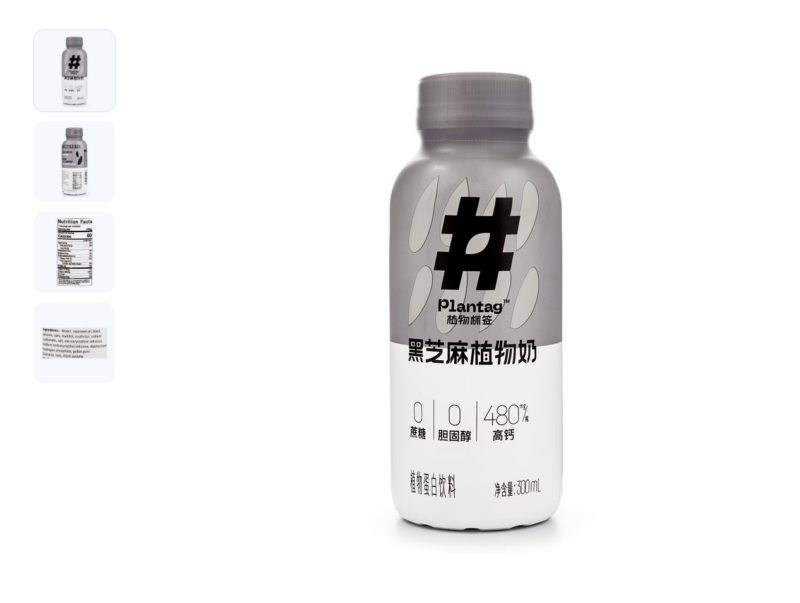
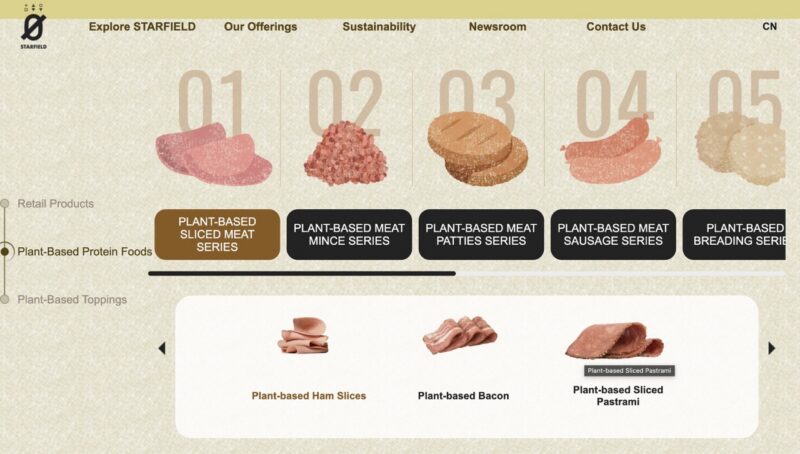
One prominent domestic brand is Starfield Food Tech(星期零), a company that combines in-house research capabilities to collaborate with brands such as Heytea, Naixue, and Tim Hortons, covering more than 5,500 stores nationwide with over 300 different product solutions. Another key domestic player with a narrower product focus is Plantag, offering a variety of plant-based milks to consumers.
Key takeaways: A policy and health-driven market
- The growth of the protein market in China can be attributed to a larger wave of government and socially driven initiatives towards health.
- A key consumer segment within the market is made up of urban Gen Z and millennial consumers who increasingly demand sustainable options for healthier lifestyles.
- Protein is no longer seen as a niche functional ingredient for fitness enthusiasts, and brand marketing initiatives are shifting to target a broader, wellness-focused customer base.
- The growing plant-based protein sector within the wider protein market is fueled by a combination of government sustainability initiatives, as well as increased consumer education.
- Many domestic startups are tapping into the alternative protein space through scientific research, creating products after extensive testing.