


Health Update: Health Update: Recovery Is The Biggest Wellness Trend For 2026 – What Experts Say– What Experts Say.
For many years, a no pain, no gain mentality ruled the fitness world – high-intensity workouts were in vogue and rest days were for the weak. But recently, the tides have been turning as the importance of recovery becomes increasingly apparent. In 2026, the fittest people aren’t flexing their back-to-back HIIT sessions but raving about the latest vibration plates, and spending their Sundays dipping between infrared saunas and cold plunge pools.
An influx of savvy tech has played a huge part in this shift. While once wearable trackers were predominantly used to track steps and monitor runs, nowadays many offer a more holistic approach to health by highlighting recovery as a key metric of wellbeing. Anyone with an Oura ring, a Garmin or a FitBit will be well-acquainted with their daily ‘readiness’ score, which uses data on factors like sleep quality, activity levels and heart rate variability (HRV) to advise on whether your body is ready for a challenging workout or if you should rest.
David Lloyd is one of many gyms highlighting recovery as a key focus area for 2026. ‘We’ve absolutely seen more members prioritising recovery,’ says one of its trainers, Jack Claxton. ‘Listening to our bodies and understanding that training isn’t just the intense work done in the gym has become a huge part of getting results. I discuss recovery regularly in my day-to-day sessions, and it’s a key part of my induction process with new members and clients.’
Becky Townsend, Nutrition and Wellness Lead at Virgin Active UK, agrees. ‘Recovery has become a core pillar of modern wellness rather than an afterthought,’ she says. ‘People are training smarter, not just harder, and are far more aware that sustainable results depend on how well the body and mind are supported between workouts.’ Townsend points out this newfound focus on recovery is likely a response to increasingly high-stress lifestyles, as well as increased evidence – including the aforementioned tech – showing how important recovery is both for optimum performance and for long-term health.
Old-school therapies like foam rolling, Epsom salts and good old sleep are still key, but in 2026, futuristic recovery treatments are set to take off as they become commonplace at luxury gyms and wellness clinics across the UK. So what’s hot in the world of restorative treatments?
Trending Wellness Recovery Treatments For 2026
Getty Images
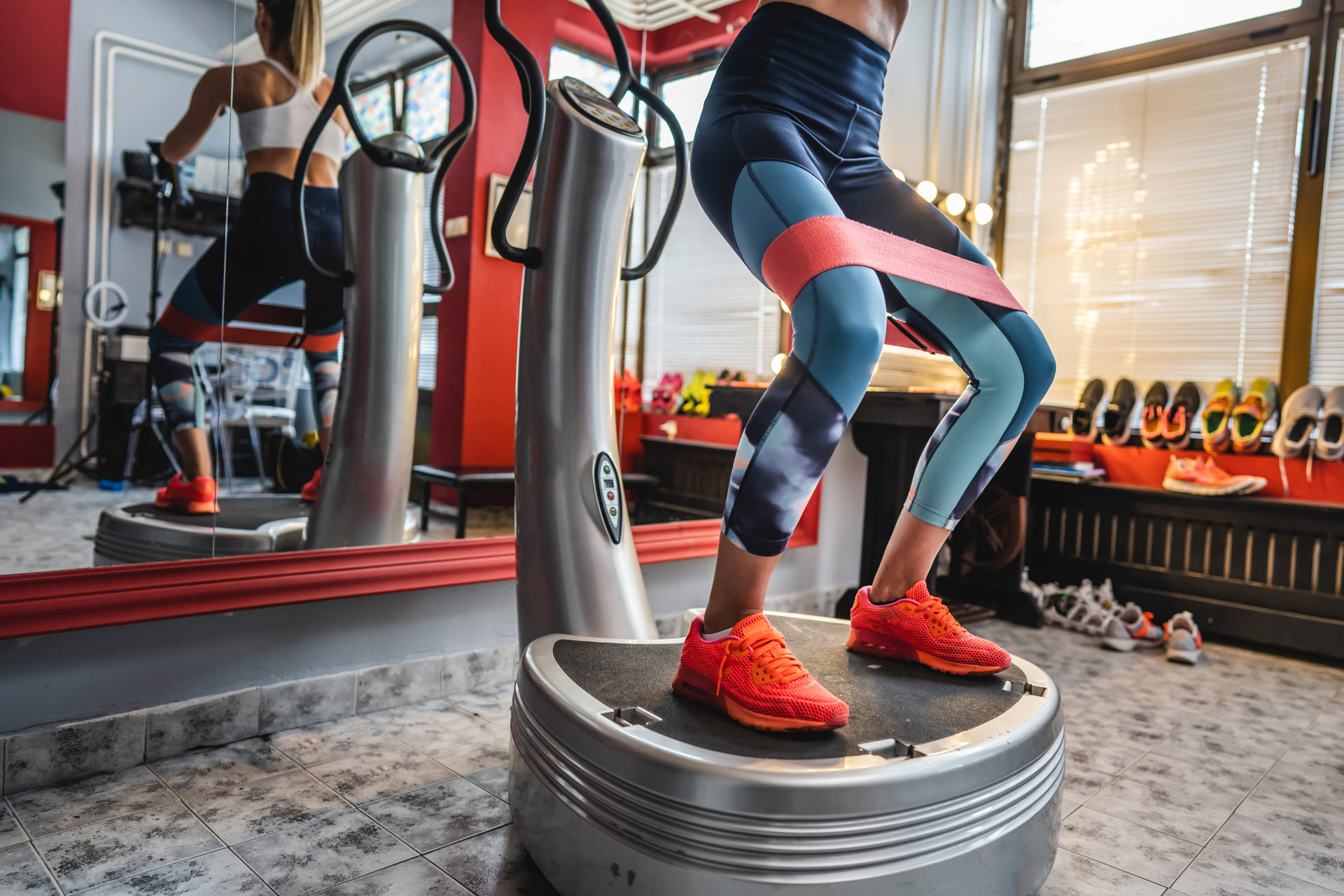
Vibration Plates
Popular back in the ‘70s and ‘80s, vibration plates might feel a bit retro, but a spate of new equipment (plus being discovered by TikTokers) has sparked a comeback. The jiggling devices gently vibrate while you sit, stand or exercise on them, offering benefits including reduced stress, lymphatic drainage and boosting the immune system. Studies also suggest vibration therapy can reduce healing time for injuries: research from 2014, for instance, found the therapy halved recovery time in patients recovering from ACL tear surgery. Meanwhile, a meta-analysis from 2015 shows combining resistance training with vibration plates can be beneficial for maintaining bone density as we age.
TRY IT: Many gyms have vibration plates – find out where you can try a Power Plate here
Compression Boots
Dua Lipa, Jennifer Aniston and Bella Hadid are among the long list of A-listers who swear by compression boots for recovery. These hollow, space-age-like boots fill up with air, compressing your limbs from your feet all the way up to your thighs before quickly deflating – similar to the feeling of a blood pressure monitor cuff. Devotees say this compression technique helps reduce muscle tension and flushes out metabolic by-products after exercise, leading to faster recovery. However, it’s worth pointing out that the science is mixed. While one study from 2014 found the devices helped accelerate recovery in Olympic athletes, a review from 2022 concluded compression therapy has little effect on delayed-onset muscle soreness (DOMS). Many athletes use them, though – and most experts agree they’re relatively low risk, although anyone with a cardiovascular disease or blood clotting disorder should consult their doctor before donning a pair.
TRY IT: Get A Drip, multiple locations across London. getadrip.com
Surrenne at The Emory
Hyperbaric Oxygen Therapy
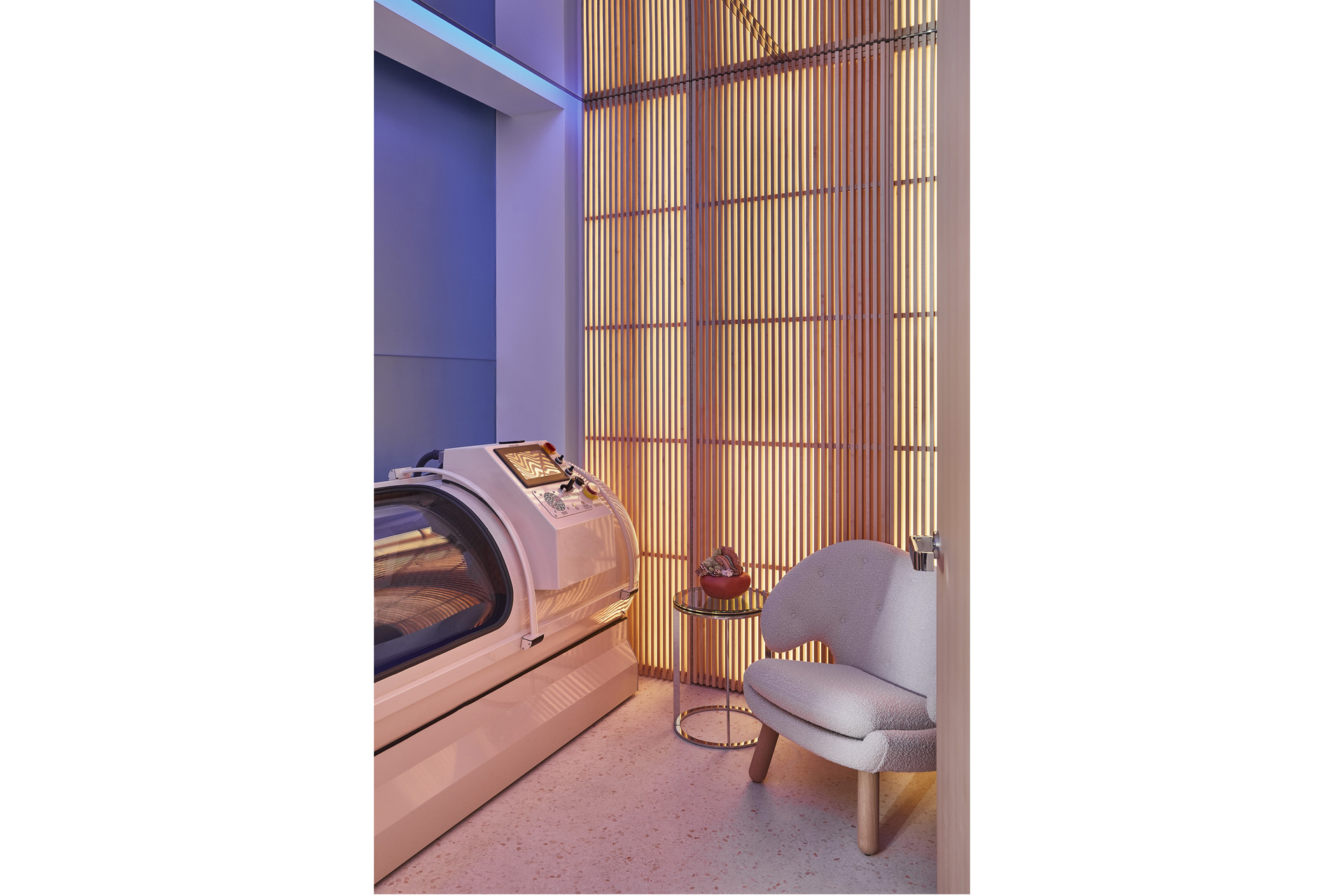
Also known as HBOT, hyperbaric oxygen chambers are popping up in all the trendiest health hotspots, including Knightsbridge longevity clinic The HVN, The Bvlgari Spa and Surrenne, the wellness club at Belgravia’s five-star hotel The Emory. A whole host of celebrities rave about their anti-aging, stress relief and injury recovery effects – from basketball player LeBron James to Gwyneth Paltrow and Beyonce. But what actually are they – and are they safe?
Although there’s a lot of buzz around this treatment right now, oxygen chambers have actually been around for many years. They were originally invented as a medical treatment for submariners and soldiers during WW1, but they recently began being introduced as a longevity technique in spas and health clubs.
‘Hyperbaric oxygen therapy involves breathing in concentrated oxygen within a pressurised chamber,’ explains Dr Elham at The HVN. ‘This allows oxygen to dissolve more efficiently into the bloodstream, increasing oxygen delivery to tissues throughout the body. At The HVN, HBOT is used as a supportive wellness therapy to optimise cellular function, support recovery, and enhance overall vitality.’ Dr Elham notes this therapy can be especially beneficial for people experiencing fatigue or those recovering from illness, as well as athletes. However, he adds, ‘those with certain medical conditions, including untreated lung issues, active ear or sinus infections, or difficulty equalising pressure, should seek medical advice before treatment. Anyone uncomfortable in enclosed spaces should also mention this in advance.’
TRY IT: The HVN,57-63 Knightsbridge, London SW1X 7BF. the-hvn.com
Sauna & Plunge
Contrast Therapy
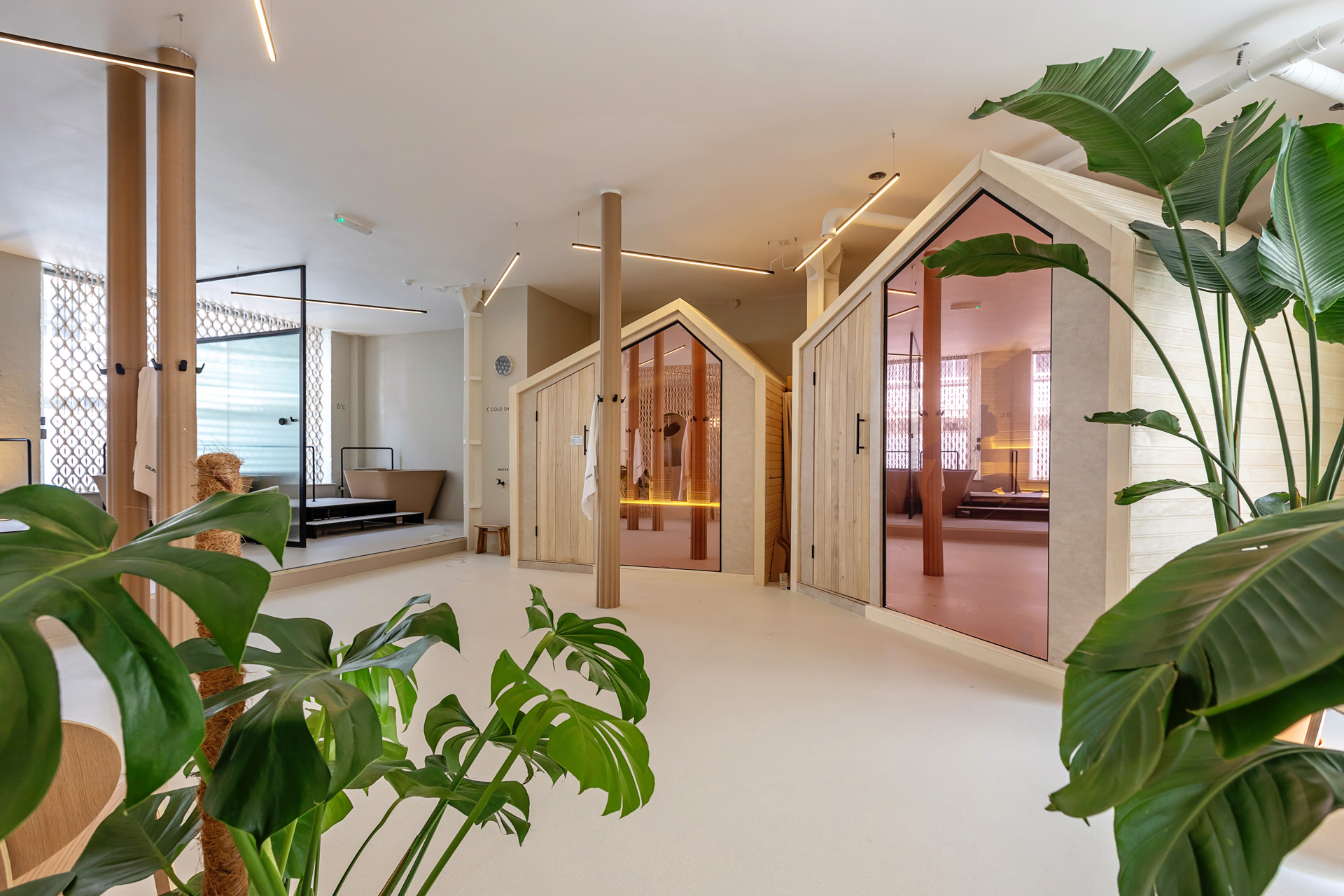
Contrast therapy – which involves alternating between saunas and ice baths – dates back to Ancient Rome, where public baths featured frigidariums and tepidariums (cold and hot pools). The wellness practice has long been used in many Nordic cultures, such as Sweden, Finland and Iceland, but recently it has become mainstream on UK shores too. London has seen an influx of trendy contrast therapy spaces, like Canary Wharf’s Arc, Shoreditch’s Sauna & Plunge and Marylebone’s Rebase, all offering a mix of saunas and cold plunge pools. Infrared saunas are particularly buzzy right now, which warm the body in the same way as natural sunlight through the use of infrared light panels, with benefits including improved skin and pain relief. Ice baths, too, are all the rage, used by everyone from David Beckham to Joe Wicks to recover post-exercise, with research showing they can reduce muscle soreness and increase flexibility. But it’s the combination of hot and cold that really works wonders.
‘Heat and cold therapies continue to lead the recovery space, particularly experiences that support circulation, reduce inflammation and regulate the nervous system,’ says Townsend, adding that ‘Finnish saunas, infrared saunas, cold plunges and contrast therapy’ are all seeing strong demand. There’s plenty of evidence showcasing benefits: research published in the European Journal of Preventative Cardiology, for instance, found that alternating between hot and cold therapy can lower blood pressure, boost heart health and enhance blood vessel elasticity. Another study, meanwhile, found cold-water immersion paired with time in the sauna can be particularly useful for reducing muscle soreness after exercise.
TRY IT: Rebase, 1a St Vincent St, London W1U 4DA. rebaserecovery.com
Vagus Nerve Stimulation
Recovery isn’t just physical, it’s also about replenishing our mental stores. An emerging trend in this area is vagus nerve stimulation devices, which send targeted signals to the nervous system via the vagus nerve – ultimately helping bring the body to a state of rest-and-digest, rather than fight-or-flight. Nurosym, for instance, is a gadget created by Parasym which has been proven to improve recovery after exercise, enhance sleep quality, reduce stress and improve focus. There’s also yōjō, a non-invasive earpiece which uses gentle electrical pulses to incite the body’s natural rest-and-digest response – and ultimately help you relax.
TRY IT: nurosym.com / yojo.health