


Health Update: Health Update: Inside the Marketing Strategies of Top Health & Wellness Brands – What Experts Say– What Experts Say.
Between skyrocketing acquisition costs, compliance minefields, and consumer skepticism, health and wellness marketing can feel like an impossible maze.
It might seem like your brand needs to be everywhere to stand out and secure trust. But here’s the secret: Top brands don’t do everything. They do a few things really well.
We’ve teamed up with Derek Flanzraich from Healthyish Content & 5HT to break down how leading wellness companies get noticed, sharing tools to apply across earned media, TikTok, SEO, retail, podcasting, and more.
Podcast Marketing
BetterHelp — Repetitive Segmentation
Why they’re winning: Betting on mental health’s universal relevance, BetterHelp* targets non-wellness niches like entrepreneurship, comedy, and tech.
A podcast mainstay, you don’t hear a BetterHelp ad once; you hear it on every episode of your favorite show for weeks. Buying mindshare, repetition builds familiarity, which breeds trust — especially if the host has a personal connection to therapy.
Tactics to steal:
- Test across categories. Don’t stay siloed in the “self-help” section. Try running ads in business, parenting, etc. — wherever your ideal customer hangs out.
- Tailor the pitch. Reframe messaging for the context: stress management for entrepreneurs, communication skills for couples, or emotional aid for new parents.
- Batch sponsor episodes. Podcast ads work best when they feel familiar, not like an interruption. Three to five placements with the same show builds a relationship between host, listeners, and brand. It takes multiple touchpoints to incite action.
Caregiver Referrals
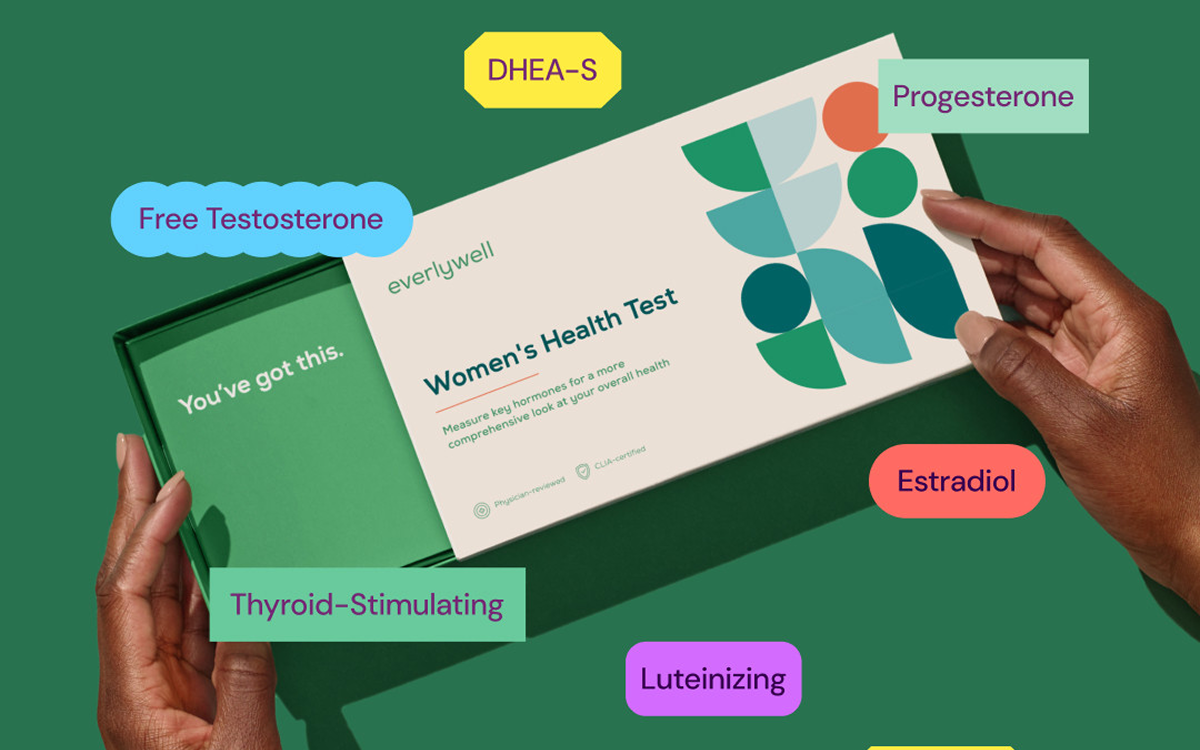
Everlywell — B2B Flywheel
Why they’re winning: Everlywell built a strong DTC presence, then leveled up by going straight to the source: employers. Integrating at-home lab testing into corporate wellness plans and health benefit platforms, it finds users without fighting for ad clicks.
A B2B flywheel with DTC usability, employers get a convenient, preventative health perk to offer employees, and Everlywell gets a warm intro through a trusted gatekeeper.
Tactics to steal:
- Make a perk play. If you’re solving a real health problem, your best user could be a company. Craft a B2B pitch speaking to the ROI of buying your product as a benefit: reduced absenteeism, increased retention, and better outcomes.
Influencer Marketing
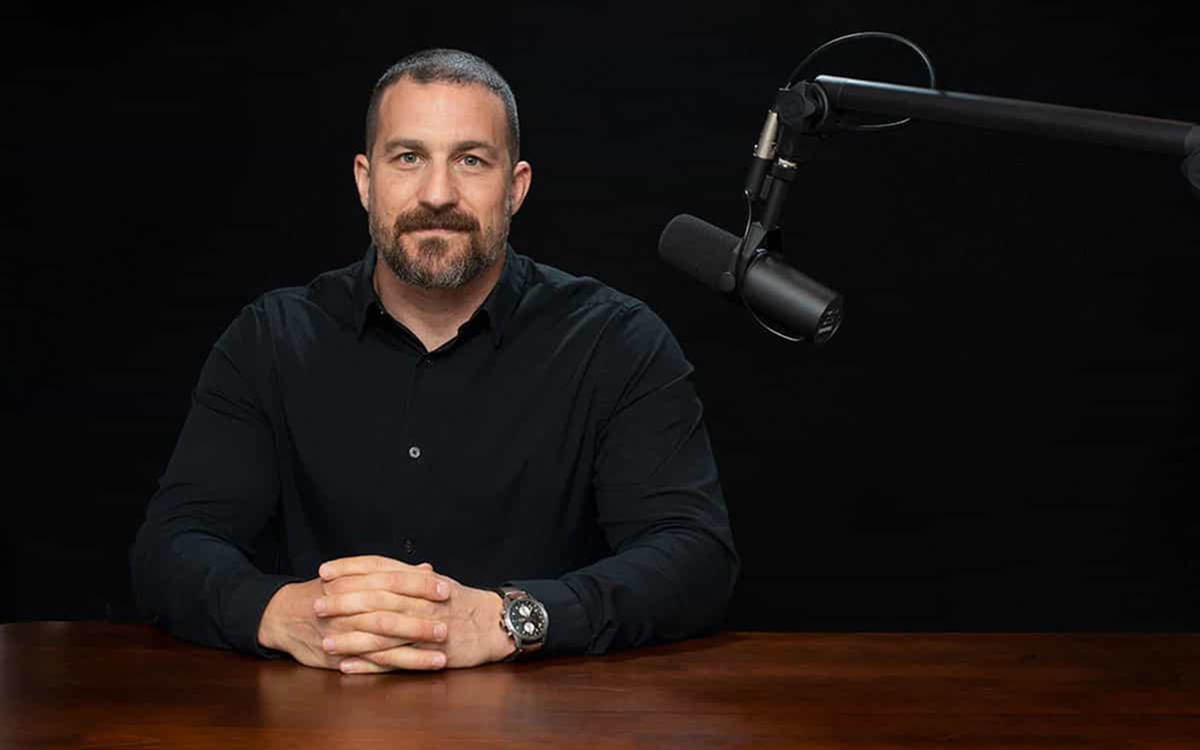
Momentous — Long-Tail Trust
Why they’re winning: Huberman’s sign-off outperforms any ad copy, but Momentous didn’t stop there. A dual approach, the brand layered in a long-tail strategy, working with micro-creators (<50K followers) in fitness, wellness, and biohacking to establish both depth and staying power in the overcrowded supp space.
Tactics to steal:
- Find upstream thought leaders. In lieu of a celeb, you’ll need someone whose expertise your audience trusts. Temper your product pitch to them by explaining how your mission and values align.
- Screen downstream influencers. Understanding reach is more than numbers. Momentous works with micro-influencers who are actually training, recovering, or managing their sleep and stress. If people truly live the lifestyle your product supports, they can put it in their own words and make endorsements believable.
B2B2C Messaging

Maven Clinic — Human-Centered Enterprise
Why they’re winning: The largest virtual clinic for women’s and family health, Maven carved out a leadership position by doing two things exceptionally well: 1) making it easy for employers to offer comprehensive fertility, pregnancy, and postpartum benefits, and 2) making care feel personal and trustworthy to those receiving it.
Maven presents clear, evidence-backed content speaking to enterprise buyers alongside emotionally resonant storytelling speaking to patients.
Tactics to steal:
- Split your message. Maven knows who foots the bill (employers) but still speaks directly to parents, patients, and caregivers using their services. In the B2B2C space, dual strategy is key. B2B sales decks and ROI data won’t build loyalty; content that anticipates real-life questions will. Treat both audiences like VIPs.
Affiliate Marketing
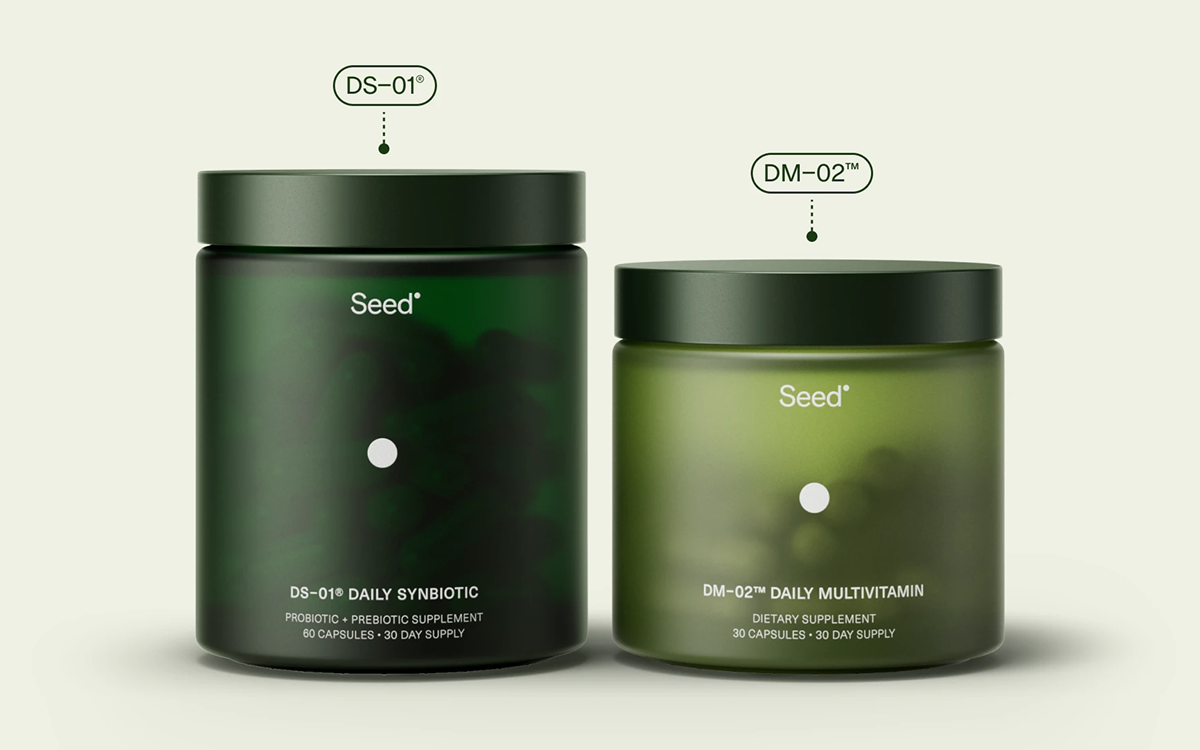
Seed Health — Affiliates Academy
Why they’re winning: Instead of mass-assigning coupon links, Seed trains brand teachers — giving creators in-depth education to ensure its affiliate engine supports its reputation as a science-backed brand.
Tactics to steal:
- Invest in education. In service of its “accountable influencing” policy, Seed provides partners deep, digestible resources breaking down the science and differentiators — for messaging that feels credible but not canned.
SEO-Driven Content
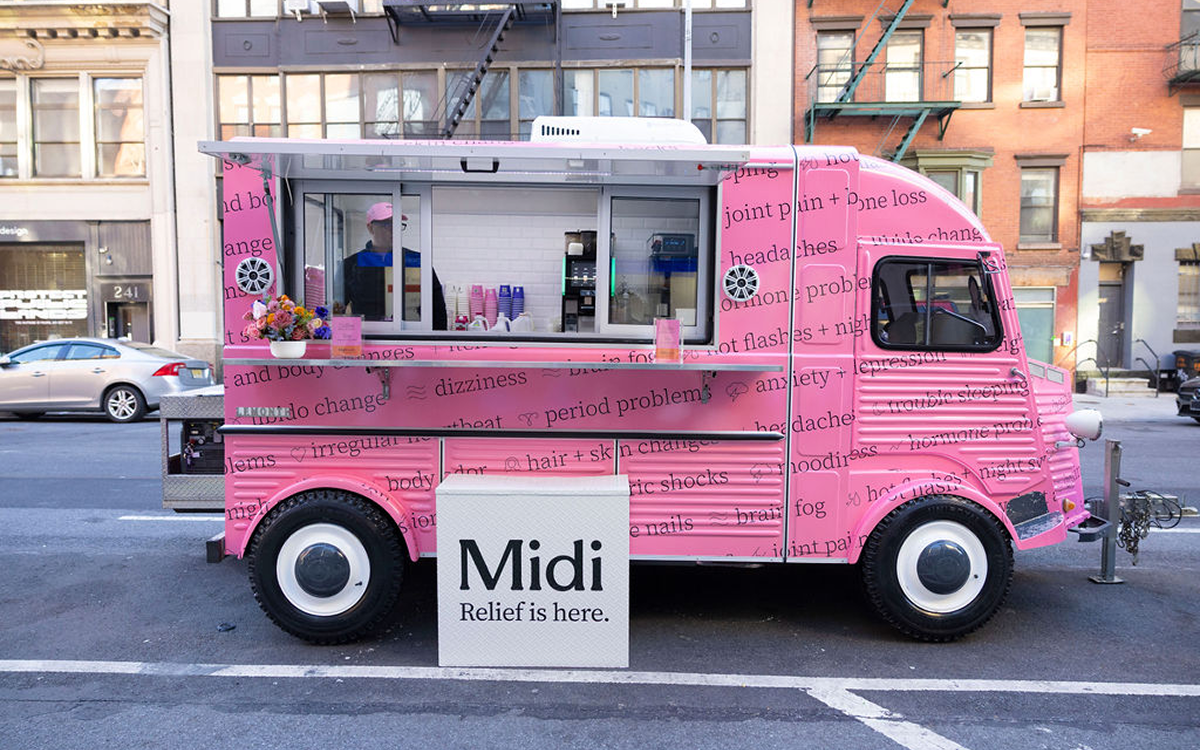
Midi — Algorithmic Authority
Why they’re winning: From “meno belly” to estriol cream guides, Midi* authentically speaks the language of women navigating perimenopause and menopause.
A barbell strategy, Midi pairs authoritative guides with search-driven answers to own organic traffic around the women’s health movement. When women Google symptoms they’re struggling to describe, Midi shows up as both expert and advocate.
Tactics to steal:
- Be a definitive voice. Instead of cramming buzzwords, deliver fluff-free long-form posts, expert advice, evidence-backed recs, and product roundups. When a post is genuinely helpful, Google notices (and so do customers).
- Answer FAQs for the algo. Use tools like Google’s “People Also Ask” and customer support queries to find the exact questions your audience is asking.
Events & Activations
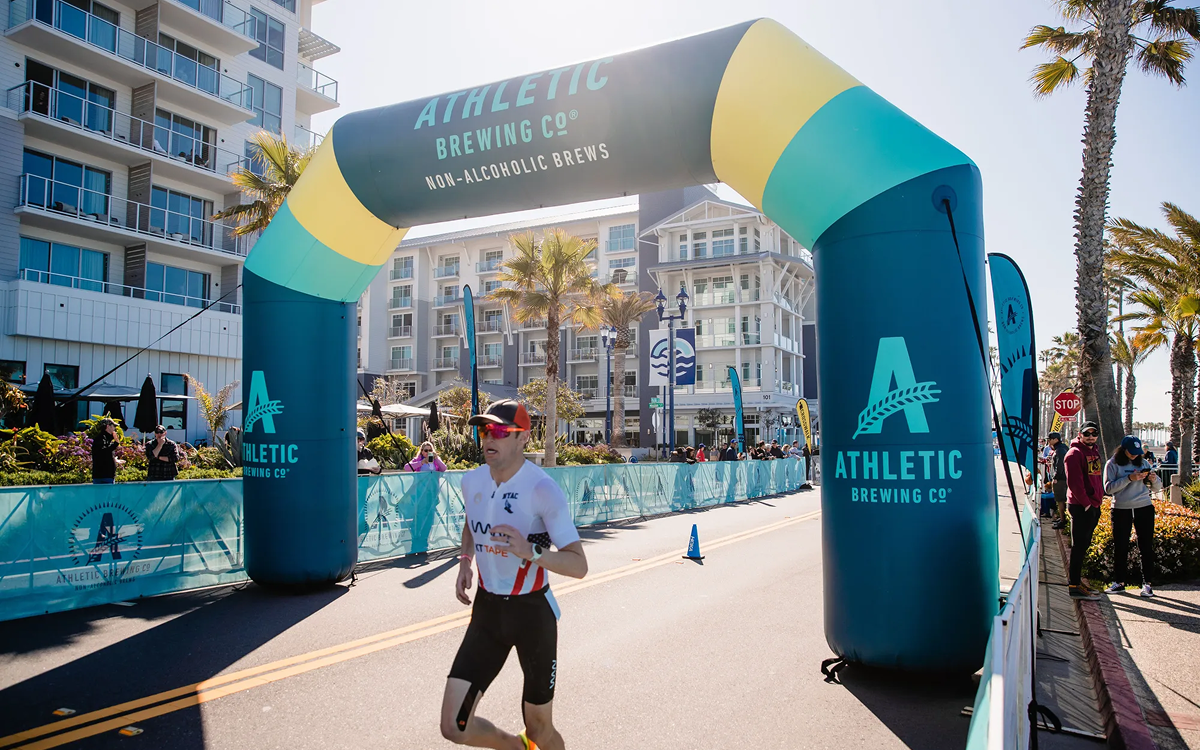
Athletic Brewing — Party Crashers
Why they’re winning: Athletic Brewing doesn’t just sell non-alc beer; it cultivates a different kind of drinking culture — sponsoring social sports, fitness, and wellness events.
Instead of pushing into bars, it aligns its physical presence with target consumer tastes: health-conscious, community-oriented, and thirsty for something that fits their lifestyle.
Tactics to steal:
- Pop up IRL. Find environments where your product solves a problem, sparks delight, or feels like a welcome surprise, then make it easy to try with free samples. Product trials in the right context can beat 100 ad impressions.
TikTok
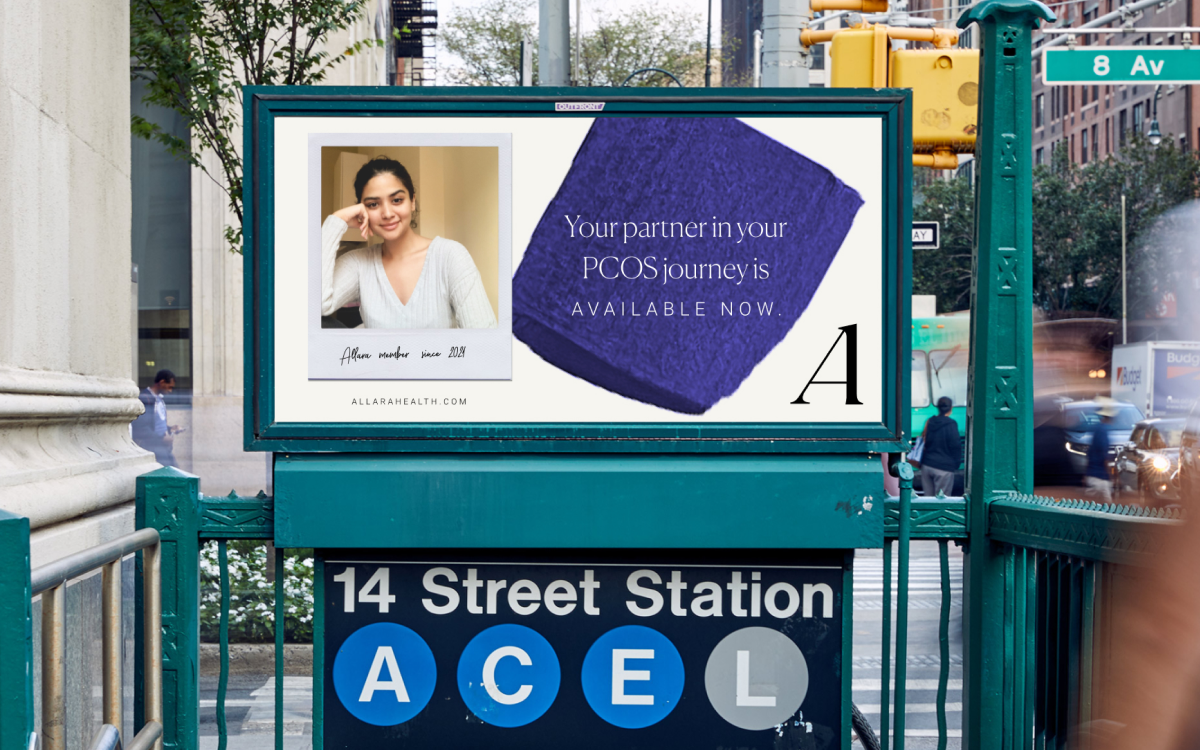
Allara — Underserved Attention
Why they’re winning: Allara* covers historically invisible issues like PCOS and hormonal health in casual yet resonant videos. Tapping doctors, customers, and its own founder, the company built an engaged community of >90K followers by challenging common misconceptions and reminding women they’re not alone.
Tactics to steal:
- Experts, not actors. Trust increases when a real MD explains symptoms like hormonal acne or missed periods without sounding robotic.
- Low production, high relatability. One of Allara’s highest-performing videos is a patient on front-facing video, which racked up 12.4M plays. Less polish = more trust.
PR & Media
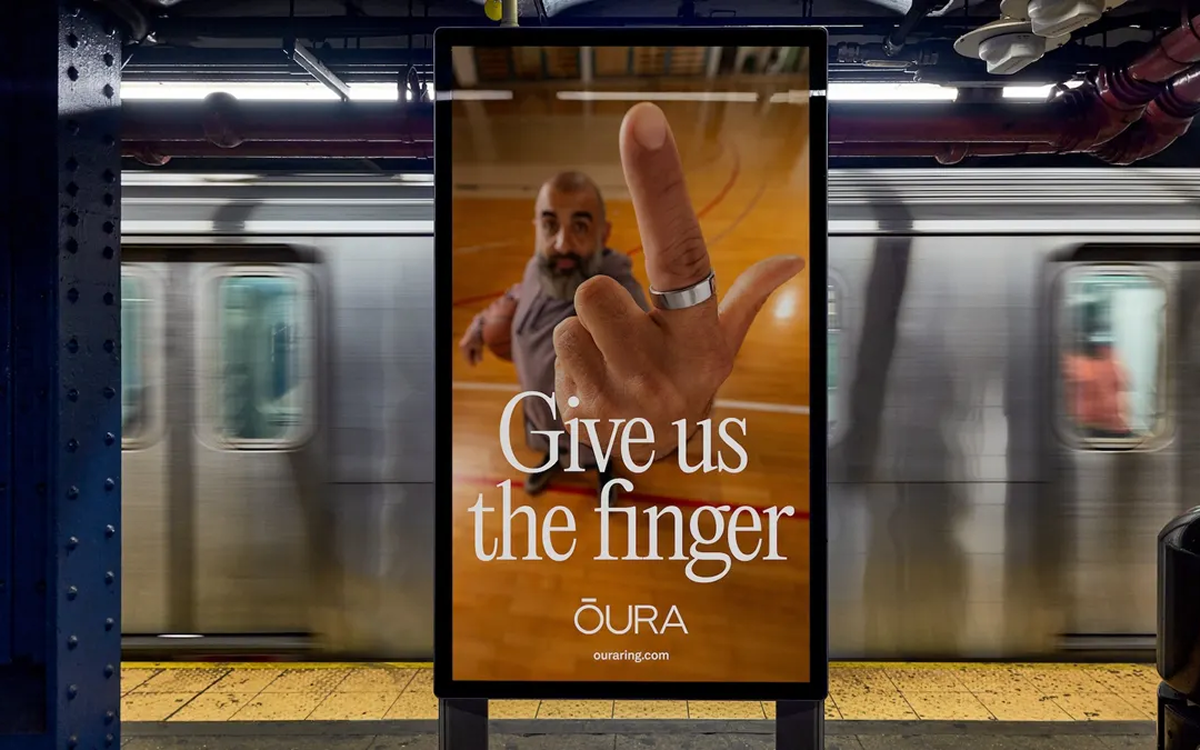
Oura — Targeting Tastemakers
Why they’re winning: Oura achieved wellness tech’s holy grail, turning a piece of health hardware into a status symbol — but the outcome was no accident.
Long before its splashy “Give Us The Finger” campaign, Oura leveraged earned media to generate organic, believable buzz — putting rings on the hands of people shaping conversations in wellness, tech, and fashion. Prudent relationship-building produced magazine spots (Vogue, Elle, Cosmopolitan), influencer reviews, and product roundups.
Tactic to steal:
- Gift intentionally. Send product to 10 people who can naturally create buzz. Who’s your target audience already looking to for what’s “next” (influencers, editors, experts, etc.)? Genuine buy-in from the right people beats generic press blasts and transactional social posts.
Retail Marketing
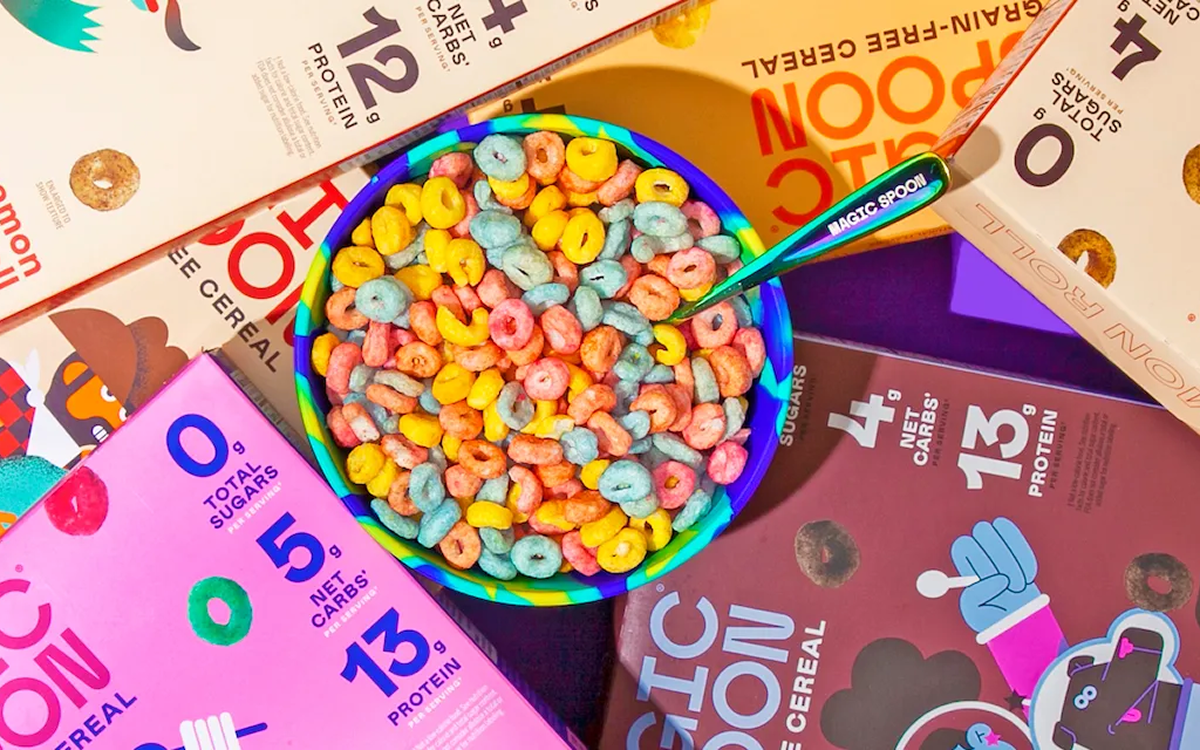
Magic Spoon — DTC Darling
Why they’re winning: Magic Spoon started as a DTC darling before managing to enter major retailers like Costco and Target without watering down the brand.
Rather than race to the bottom on price, it doubled down on differentiated identity: high-protein, low-sugar cereal for grown-ups. Channeling community feedback, it kept bold packaging, limited-edition drops, a unique digital voice, and unapologetic pricing — staying clear on exactly who the product is for.
Tactics to steal:
- Use DTC to iterate. Your online audience is a goldmine, not just for sales but product dev. Magic Spoon tracks flavor reviews, social chatter, and purchase patterns to see what SKUs work before entering stores, letting its community co-create hit products.
- Stand on business. Don’t dilute your brand for mass appeal; lean into differences and be the obvious choice for the right person. Magic Spoon isn’t “for everyone” — it’s for health-conscious adults with nostalgic cravings. Own a niche, crafting signage and packaging that highlights unique strengths.
- Play the psychological game. In DTC, novelty drives repeat purchases. Magic Spoon replicates that energy in brick-and-mortar with limited runs, creative collabs, and special flavor drops. IRL campaigns create urgency, train customers to expect newness, and keep them checking back — even in-store.
Newsletter Sponsorships
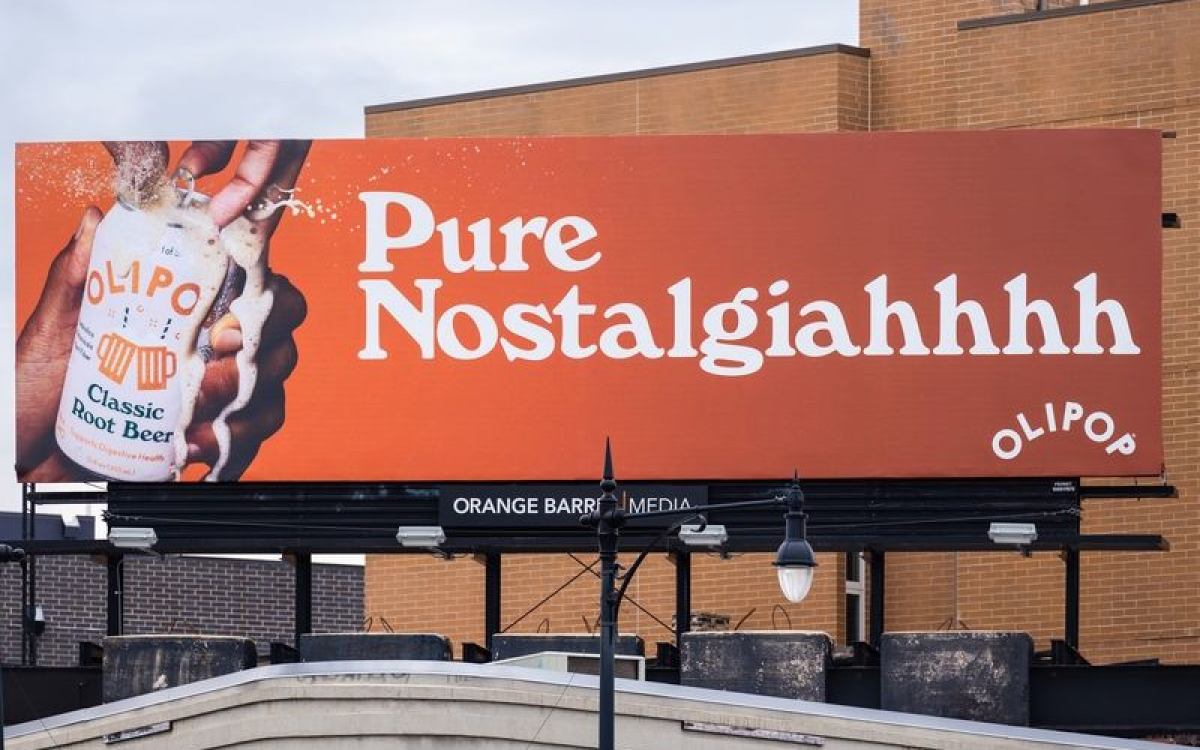
OLIPOP — Trojan Horse Health
Why they’re winning: OLIPOP ads trade sales pitches for storytelling, hooking readers before sliding in the brand as a solution to problems like soda addiction or gut issues.
Because the content blends with the newsletter’s tone, the product transcends categories, becoming the smart choice for people who didn’t know they needed it.
Tactics to steal:
- Know thy brand. OLIPOP chooses newsletters with vibe alignment — not just shared health values but shared cultural reference points.
- Act natural. Instead of hard selling, aim for conversational copy that feels native to the newsletter voice while highlighting a real reader pain point.
- Pad the deal. Discount codes alone don’t convert. Trojan horsing health, OLIPOP adds educational context to justify its next-gen product, explaining why gut health matters, and how its formula beats Big Soda.

HigherDOSE — Aesthetic Edge
Why they’re winning: HigherDOSE turned detox into desire, using glossy visuals of infrared saunas and PEMF mats to glamorize a preventative health chore.
Sharing real stories of customers, athletes, and influencers, it maintains visual continuity to keep the grid aspirational yet relatable — the hallmark of successful IG marketing.
Tactics to steal:
- Highlight real life. Not relying solely on studio shots, HigherDOSE reposts UGC (user-generated content) that meets aesthetic standards.
- Lean into life stories. Showcase customer quotes, before-and-afters, and recovery stories for relatability — making IG a window into your community.
Community Engagement

Peloton — Lifestyle-as-Brand Loop
Why they’re winning: Peloton made a bike into a movement by turning workouts into a media product, and media into a community flywheel.
Its instructors are part fitness coach, part influencer, part therapist. Its social channels highlight real members. Its merch feels like team gear. It’s more identity than workout.
Tactics to steal:
- Embrace personality. Despite being ultra-fit, Peloton’s instructors remain relatable. They party. They swear. They share playlists and personal stories. If your brand has educators, coaches, or clinicians, let their voices shine. This builds parasocial connection, aka cultish loyalty.
- Create shared identity. Rituals and recognition give people reason to rep your brand out loud. Peloton’s branded challenges, community hashtags, meaningful merch, and surprise class shoutouts make people feel part of something bigger.
Brand Marketing
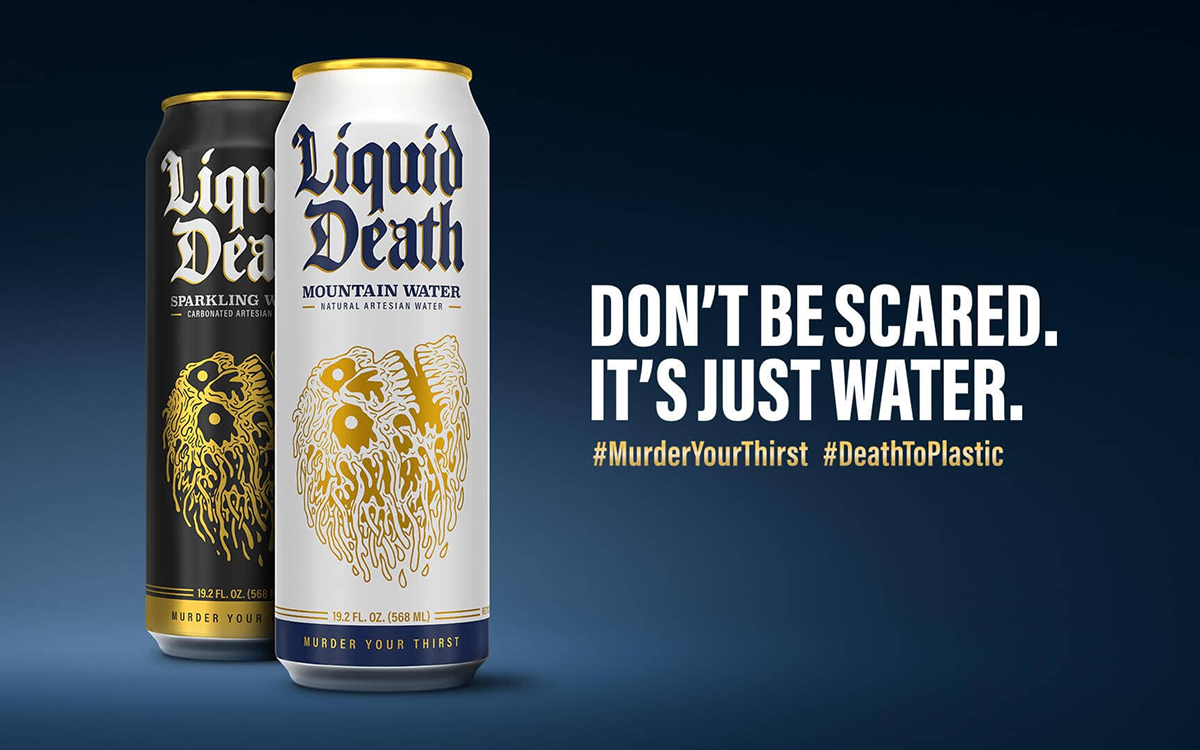
Liquid Death — Anarchistic Wellness
Why they’re winning: Liquid Death’s metal fonts, horror movie ads, and streetwear-esque merch drops made it a marketing icon. But under the shock factor is a razor-sharp insight: people hate being sold to, so it opts to entertain. Embedding humor, rebellion, and authenticity at every touchpoint, it turned canned water into a cult brand.
Tactics to steal:
- Ditch healthwashing. Liquid Death shows wellness doesn’t need to feel like wellness. If your audience rolls their eyes at jargon, meet them where they are with ironic memes, edgy humor, and anti-brand aesthetics.
- Be consistent. From packaging to social to copywriting, Liquid Death never breaks character. To find your voice, start with a question: Who would your brand be at the party?
The Takeaway
You don’t need to win on every channel, and honestly, you probably can’t. Standout brands pick a lane to dominate, staying laser-focused on their specific customer.
Whether it’s TikTok, SEO, podcast ads, or employer partnerships, precision beats volume. Know who you’re talking to, what your audience cares about, and where their attention lies. Show up in relevant spaces without trying to woo the whole world at once.
Ask: Where can we show up so well that it doesn’t feel like marketing? Then build a brand with messaging that makes your audience say, “Finally, someone gets it.”
* Denotes clients of Derek’s Healthyish Content agency.