


Health Update: Health Update: CES 2026: The Fitness & Wellness Tech Trends You Need To Know – What Experts Say– What Experts Say.
Smart rings and red-light devices are no longer the new kids on the block — longevity-focused home gadgets, exoskeletons and AI were on everyone’s minds at this year’s Consumer Electronics Show in Las Vegas
One of the most exciting things to see at the Consumer Electronics Show (CES) is how much smarter workout gear, wearables and health gadgets get year after year. Smart rings, red-light therapy and robotics are no longer the fresh-faced tech in town: this year, it seemed all talk centered on artificial intelligence and longevity.
While it remains to be seen whether AI will solve all of the world’s problems (including medical ones) in 2026, there’s plenty of promising hardware and software that’s advancing everything from nutrition tracking and athletic performance to mobility and biomarker-measuring home gadgets.
Athletech News rounds up the buzziest trends across fitness, health and wellness tech at CES this year.
Exoskeletons Will Boost Accessibility & Performance
It’ll be a while until we can step outside like the Six Million Dollar Man or the Bionic Woman. But advancements in exoskeletons – wearable robotic devices that enhance physical capabilities – bring us closer to that reality. Battery-powered wearables can boost muscle performance among athletes, provide back support during heavy lifting or make everyday walking more effortless among those experiencing mobility issues.
At CES 2026, Hypershell’s X Series ($899 and up) gave a noticeable pep in our step while walking and jumping (we saw other wearers run and sprint with delight, too), while Xtand’s Orion Intelligent Patella Strap adjusted compression on our knee for extra support.
Meanwhile, we saw Dephy (pronounced “defy”) outfit attendees in its Sidekick system ($4,500), which attaches to the shins and ankles via custom-fit shoes and allows wearers to move easier, faster and farther “with less discomfort and effort.” At the AI-Powered Wearables panel, SuitX co-founder and chief technology officer Wayne Tung wore the IX Back Air to demonstrate the device’s spinal support and lightweight, intuitive design.
The next step? For us, it’ll be trying not to turn heads while hiking, training or running in our robotic fit.
Longevity Tech Is Coming Home
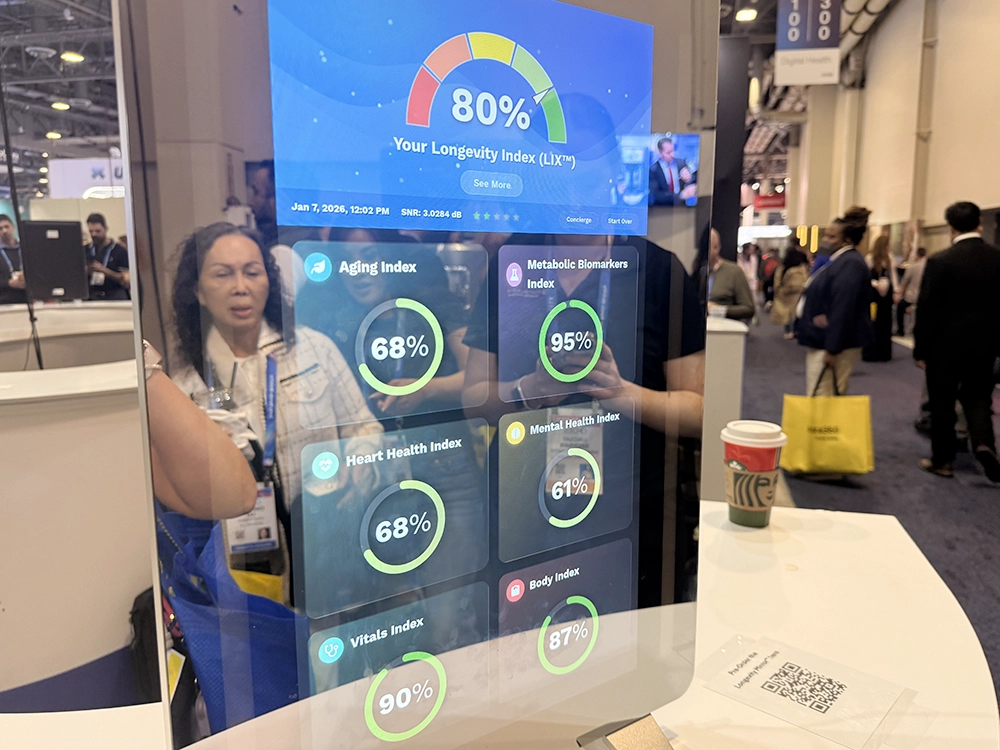
Mirror, mirror on the wall, who’s the healthiest of them all? Longevity is increasingly becoming a priority (and marketing point) in at-home health tech, and this year’s buzziest finds included mirrors and body scales designed to track even more biomarkers than ever before.
One of the coolest products we saw at CES 2026 was NuraLogix‘s aptly-titled Longevity Mirror, which will soon be available to consumers this year and uses AI (of course) and its Transdermal Optical Imaging to analyze your face’s blood-flow patterns. Using models based on population health studies, the mirror gives a Longevity Index score between 0 to 100 based on physiological age, heart and metabolic health, cardiovascular disease risk and mental health. It’s expected to retail for $899, and the optional One-Touch Health Concierge starts at $399.
Already a leader in the smart scale space, Withings revealed its most promising health assessment device yet in the Body Scan 2.0. The company dubs it an “all-in-one longevity station” that detects more than 60 biomarkers, including more detailed cardiovascular, metabolic and cellular assessments. The data is compiled into a Health Trajectory report, “a personalized predictive model that helps you track and visualize how your daily choices may affect your healthspan, providing actionable insights to motivate you to take action.”
Smart Rings Go Beyond Health
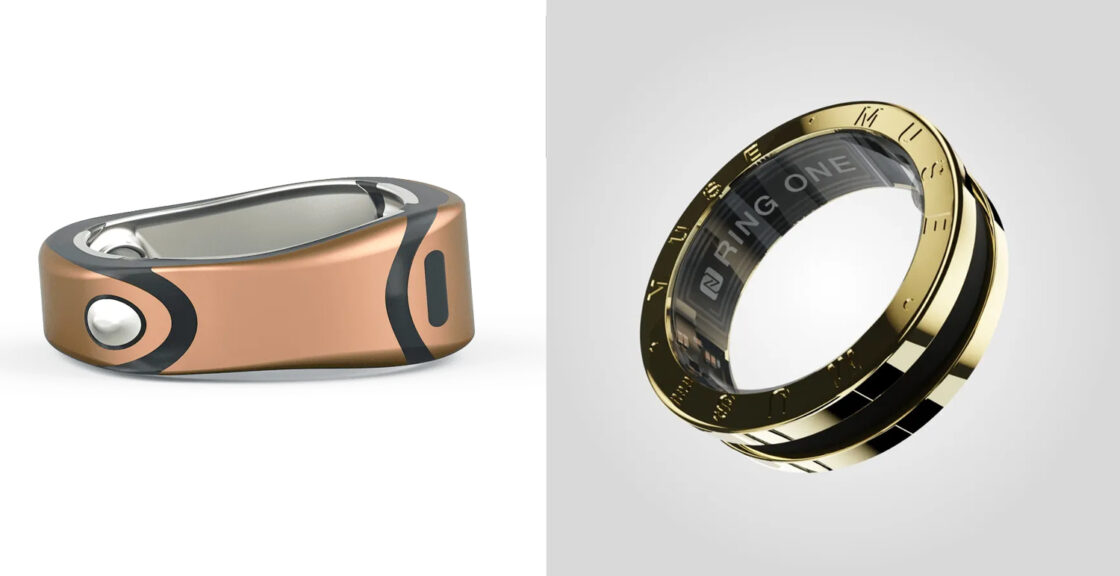
Smart rings are now ubiquitous at CES, but the Oura Ring is arguably the most trusted champion in the category; the company even recently inked a deal with Fullscript to give clinicians better access to their patients’ health data. However, some of the most compelling competitors at CES this year offered luxurious materials, impressive battery life and features beyond health tracking.
Muse’s Ring One ($321-$1,110) adds in NFC Tap-to-Pay in select countries; the company expects to expand the feature in the U.S. sometime this year. It measures blood pressure, heart and respiratory rate, temperature, HRV, blood oxygen levels and sleep, and the battery lasts up to seven days. The wearable also comes in titanium-ceramic designs and a special edition 18-karat solid gold version that can be sold back to Muse so you can reclaim some of the value of your purchase.
Wilder Tech founder Ash Wilder told ATN that his company’s Bond Ring isn’t “just another smart band brand.”
“We invest heavily in the next generation of sensors, and we work with every single large company in the world (including Bosch, AMS OSRAM, Analog Devices, Texas Instruments and others),” he said. “Our focus is always to get the latest technology and that allows us to do things that (other) wearables can’t.”
Powered by body heat, the Bond Ring includes HIPAA-compliant data storage and tracks blood pressure, glucose trends, heart rate, HRV, body temperature, blood oxygen, sleep, menstrual cycle, fertility windows, activity, respiration, steps, calories burned, vitamin D trends and more biomarkers.
He notes that the Founder’s Edition of the Bond Ring – with its organic design, swappable panels and options with diamonds, 24K gold and other metal finishes – was so in-demand that orders had to be paused for several months. (He also notes that several pro athletes are among customers.)
Nutrition Tracking Gets Smarter With AI
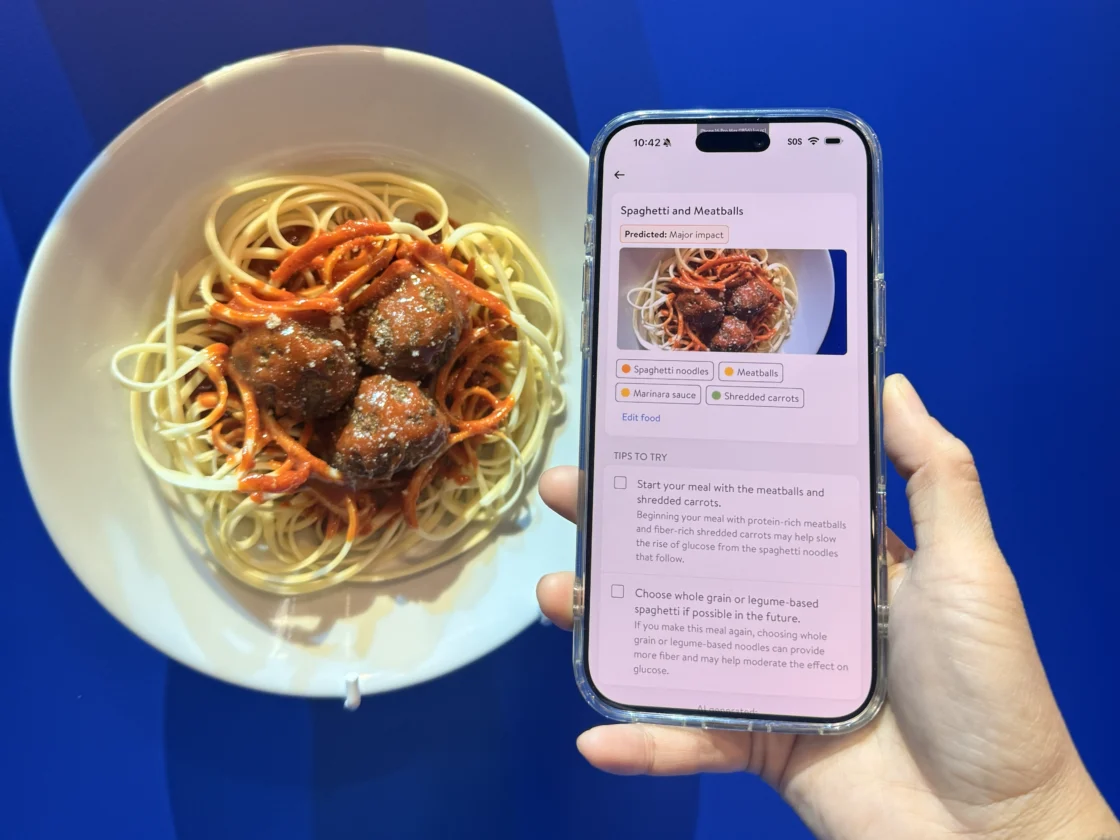
Health tech and nutrition platforms like Noom, Zoe and AlterMe already offer AI-powered food tracking and guidance in their apps, and CES 2026 saw even more companies joining their ranks. At the tech show, we saw new offerings from Abbott, Garmin and Amazfit.
Abbott’s by-prescription Libre 3 Plus continuous glucose monitor syncs with the Libre Assist app, which lets users take photos of their food before eating and uses generative AI to explain how it will affect their blood glucose levels and how to get the most nutrition (like eating your proteins first or swapping the white bread for whole grains).
Garmin unveiled the latest upgrade to the Garmin Connect app, which now includes food intake tracking alongside health and fitness data. Garmin Connect+ members can track their macros (proteins, fats and carbs) and calories and get AI-powered insights on how nutrition and lifestyle habits affect training and health. Users can view their nutrition overview or use voice commands to log foods on their smartwatch, too.
In addition to revealing its latest Active Max smartwatch, Amazfit showcased a prototype for the camera-enabled V1tal food tracking device that pairs with the subscription-free Zepp app. The pocket-sized tool’s AI platform detects different types of foods in the order in which you’re eating them. It’ll send nutrition insights via the app, such as calories and macros consumed and recommendations on how to optimize your next meal.
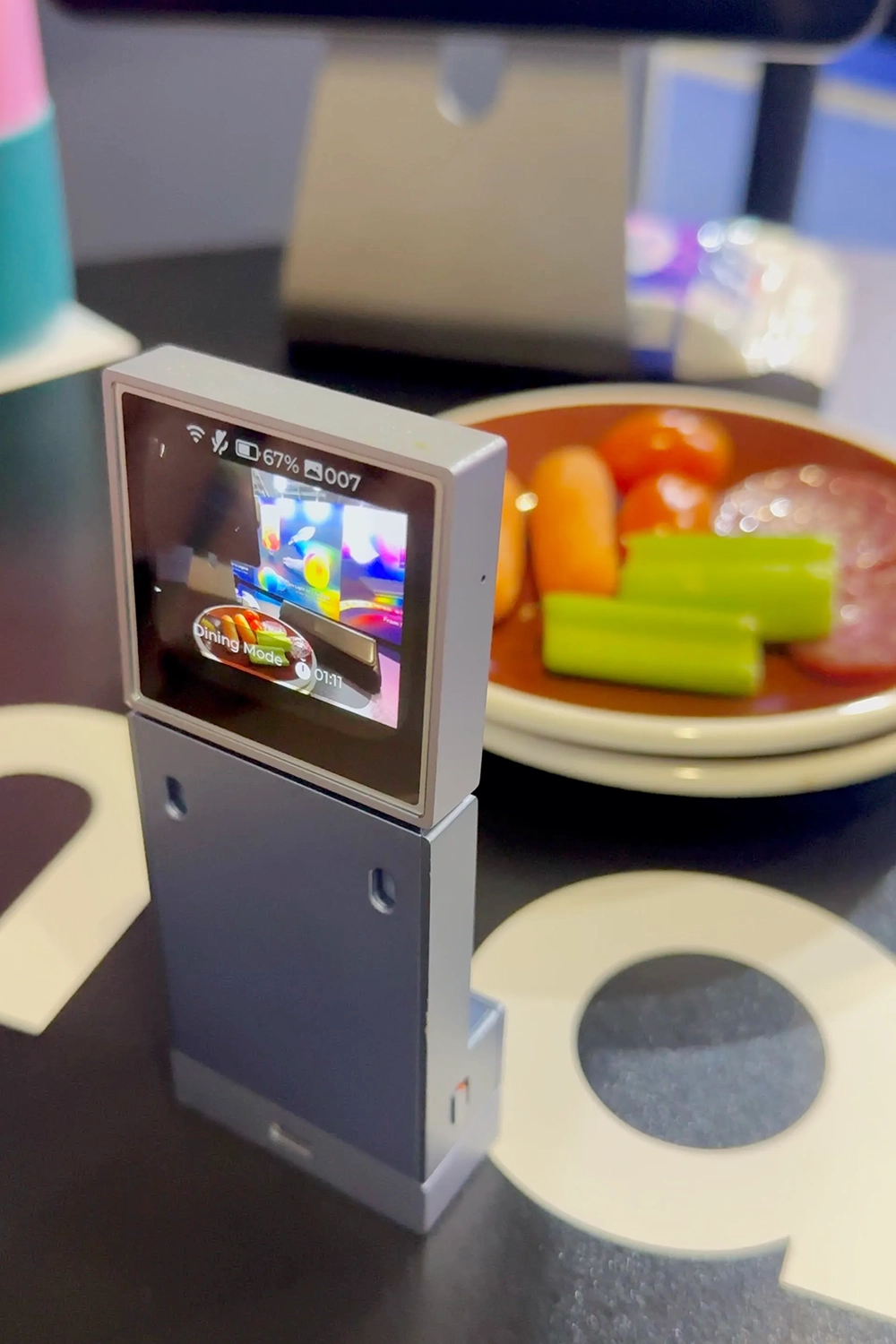
At CES, an Amazfit rep told ATN that the prototype is just the beginning of the company’s plans to develop more advanced AI-powered nutrition tracking.