

Trending Now: This entertainment story covers the latest buzz, reactions, and updates surrounding Trending Now: How Hollywood’s Celebrity Public Platforms Are Getting Political – Fans React..
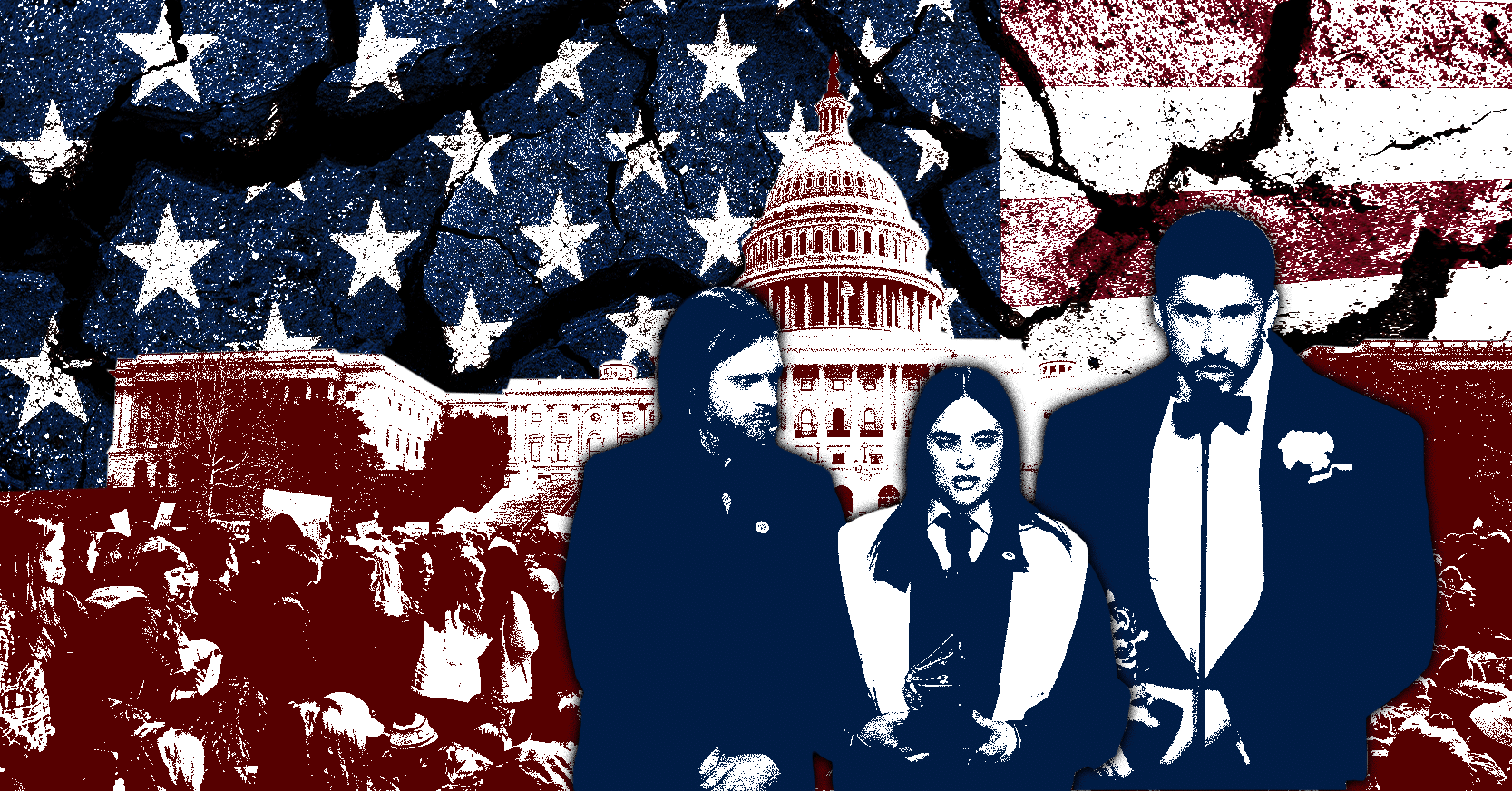
Award shows are no longer just about trophies and thanking your mom live on stage. In recent years, within the entertainment spaces, interviews and acceptance speeches have become integral moments of cultural intervention. Celebrities are utilizing their time on stage to address human rights violations, economic inequality, immigration policies, environmental injustices, and global conflicts. From Bad Bunny’s anti-ICE remarks to Billie Eilish nervously calling out billionaires in front of them, these celebrity activism moments signal a shift. The red carpet may still be alight with camera flashes, but the microphone has become a more powerful tool.
This metamorphosis conveys a broader cultural shift. Entertainment no longer exists in a vacuum, distant from the rest of the world and its issues. Award ceremonies, once focused solely on flattering looks, sultry makeup, and prestige among their peers, now also function as a cultural soapbox where politics and art intertwine. The question is no longer whether celebrities should speak out; it is now an expectation, and silence is questioned. Their visibility and influence extend not just to fashion trends but also to shaping public conversation on relevant and important topics. How do audiences respond when entertainment refuses to remain neutral?
From glitz & glamour to global impact
Award shows at one time just emphasized etiquette and grace, truthfully, in a superficial manner. Those within the entertainment industry were marketing themselves in these spaces, presenting their charisma. Speeches were expected to be grateful, brief, and apolitical. Moments of disturbance were rare, and when they did occur, they were controversial. Yet even in earlier decades, even though many would try to deny it, the stage has occasionally become a site of protest.
One of the most memorable examples is Sacheen Littlefeather’s 1973 Oscars speech. Standing in for Marlon Brando, she, declined his Best Actor award and spoke about Hollywood’s mistreatment of Native Americans. She was met with boos, hostility, and threats of violence. Decades later, the Academy formally apologized for its response. It is interesting to see that this was not the last time the academy fell short in this regard. At the time, the moment was framed as inappropriate, out of place, and ultimately unwelcome. In retrospect, it is recognized as historically significant, even if her ancestry was called into question posthumously; the injustice she faced was very real.
Littlefeather’s speech reminds us that award shows have always contained political potential. What has changed is scale. Today, a single speech circulates globally within minutes. Social media transforms a brief off-handed comment into a trending topic. Whatever is said on stage no longer stays within the entertainment space; it spreads across timelines, comment sections, and news cycles.
New generations spark new expectations
The rise of celebrity activism through outspoken acceptance speeches fits closely with shifting generational expectations. Younger audiences, particularly Gen Z, place a spotlight on authenticity. Public figures are no longer admired solely for talent but also for their perceived integrity. Silence on major issues is increasingly interpreted as indifference.
When Bad Bunny used his voice to speak against immigration enforcement policies, the moment resonated far beyond the award itself. The speech was clipped, shared, debated, and reframed across platforms. Similarly, when Billie Eilish criticized billionaire culture during an acceptance speech, her remarks immediately entered online discourse. These instances demonstrate that audiences are listening for more than gratitude. They are listening for a position.
This expectation creates a new dynamic. Award speeches are no longer isolated ceremonial moments. They are extensions of an artist’s public identity. For many viewers, the question is not whether politics belong in entertainment, but whether entertainment can responsibly avoid politics at all.

Amplification and accountability
Social media plays a central role in this evolution. A speech that once reached only live viewers now circulates indefinitely and sparks meaningful conversations. People edit, critique, and meme clips. Supporters celebrate boldness. Critics scrutinize inconsistencies.
This amplification invites accountability. When celebrities speak about justice or inequality, audiences examine whether their actions align with their words. Billie Eilish’s speech, for instance, was met with online criticism from Indigenous activists who question her land ownership and historical context. These responses illustrate a complicated reality: advocacy invites microscopic examination.
The scrutiny may feel harsh, but it also reflects a more informed public that no longer blindly follows trends or doesn’t research. Audiences today do not passively swallow celebrity statements. They engage with them. They analyze and fact-check. In these circumstances, the line between earnestness and performance becomes difficult to separate.
Performance versus principle
A common criticism of celebrity activism is that it is performative rather than reflecting their true beliefs. Acceptance speeches last only minutes, songs are not played on the radio, and stories on socials are erased after 24 hours. They do not substitute for policy change or planned and strategic work. It is fair to question whether such moments meaningfully change material conditions.
Yet dismissing celebrity activism entirely overlooks their cultural influence. Visibility does matter. Public statements can strengthen disadvantaged communities, draw attention to disregarded issues, and spark conversations among audiences who may not otherwise encounter them. A speech alone does not create change, but it can open a path for dialogue and ‘set the stage’ for change.
The tension between authenticity and performance is nothing new. Artists have always been asked whether their emotions are real or rehearsed. For example, when someone like Hayley Williams writes vulnerable lyrics and publicly calls out a famous and well-known counterpart by name.
Is this raw honesty or calculated expression?
What feels different now is the speed and scale of the reaction. Within minutes, a speech is clipped, reposted, and dissected for tone, timing, and sincerity. Critics are quick to remind us that “they’re actors” who can cry on command. Celebrities are no longer just expected to speak; they are expected to speak perfectly and eloquently. One mis-spoken word, one perceived contradiction, and the internet is ready to declare the entire moment performative.
This expectation raises an important question: are artists being asked to carry burdens beyond their profession? Beyond their own personal capacities? Or is this simply the responsibility that accompanies immense visibility? Younger audiences often appear more interested in transparency and relatability rather than picture-perfection. Admitting complexity usually sparks vulnerability and resonates more with the common viewer than uninformed incompetence.
Past resonances
Looking back at Sacheen Littlefeather’s 1973 Oscar speech offers perspective. When she declined Marlon Brando’s award in protest of Hollywood’s treatment of Native Americans, she was met with boos, ridicule, and long-term professional consequences.
Decades later, while accepting the Charlie Chaplin Award for Excellence in Comedy at the 2018 BAFTAs, Jim Carrey used his moment not for gratitude, but for satire. He mocked and criticized the powerful figures sitting in the room. Though vastly different in tone and cause, both moments unsettled their audiences.
This historical shift shows that award show/celebrity activism often ages differently than it did in its initial reception. Immediate backlash does not determine long-term significance. What feels controversial in the moment may later be reframed as prescient and sparks the beginning of a positive evolution.
Contemporary speeches may follow a similar arc. They may feel messy, imperfect, or divisive. Yet they document the cultural tensions of our time. In that sense, they serve as public records of shifting values.
Entertainment cannot escape turmoil
Some critics and even other celebrities like Tina Fey claim that award ceremonies should remain escapist. Audiences tune in for fun, fashion, and celebration. Politics, they argue, sparks nothing valuable and doesn’t reflect their positions as influential and wealthy figures themselves.
But escapism itself is political. Choosing not to address real-world issues is also a stance many are taking in these uncertain times. In a media ecosystem where global events are inescapable, expecting artists to be willfully ignorant of what is happening in the real world is unrealistic.
Entertainment reflects culture. When culture is tumultuous, the stage will reflect that turbulence. The microphone becomes a method to showcase how art and activism intersect, sometimes uncomfortably.
Award shows and interviews now function as amplifiers as much as celebratory and marketing events. They offer a space where cultural figures respond, however briefly, to those living in the world beyond the screen.
The risk and the reward
Nevertheless, celebrity activism and speaking out carries risk. By speaking about politics, celebrities, like Jennifer Lawrence, may alienate segments of their audience. They may face backlash, misinterpretation, or oversimplification and suffer for this, sometimes unwarrantedly. Silence, however, carries its own consequences. In an era defined by transparency and constant connectivity, neutrality can appear indistinguishable from indifference. It also raises the question: Is it ever enough? What is enough? It is a double-edged sword.
The calculation is no longer simple. Artists must weigh the symbolic value of speaking against the potential fallout. For some, the stage represents an obligation. For others, it represents an opportunity.
What remains clear is that these moments resonate. They trend. They spark think pieces. They spark debate. Whether audiences agree or disagree, they engage with what they’re saying.
A stage that reflects its time
Award speeches, interviews, podcasts, and radio shows are evolving alongside the media landscape that broadcasts them. The red carpet may still symbolize glamour, but the podium now symbolizes something else as well: the largest soapbox available. On-stage celebrity activism invites cultural reflection and moral positioning.
These speeches do not replace activism. They do not solve systemic inequality (USA-centric here). This is a signal that entertainment is not insulated from the world it entertains. The spotlight illuminates more than achievement; it illuminates the issues artists choose to confront.
Whether every speech is perfectly executed is secondary. What matters is that the stage has become a space in which culture plainly presents itself in real time. Artists speak. Audiences respond. The conversation continues a lot longer than just after the applause fades.
And perhaps that is the clearest sign of change. Songs are no longer simply about love. Award shows are no longer just about who wins. Interviews are no longer focusing solely on the films.
The spotlight no longer merely shines. It sparks the beginning of change.