

Case Explained:This article breaks down the legal background, charges, and implications of Case Explained: UN Declares Transatlantic Slave Trade the Gravest Crime Against Humanity – Legal Perspective
April 2, 2026
In a watershed moment for international justice and historical accountability, the United Nations General Assembly has formally recognized the transatlantic slave trade as the gravest crime against humanity. The resolution, adopted by a vote of 123 in favor, 3 against, with multiple abstentions, marks one of the most consequential acknowledgments in the UN’s history—one that confronts centuries of denial, erasure, and unresolved harm.
Introduced and led by Ghana, the resolution frames the transatlantic slave trade not as a tragic chapter closed by abolition, but as an ongoing crime whose consequences persist today in economic inequality, racial hierarchies, cultural destruction, and institutional exclusion across the globe. Central to the resolution is a renewed call for reparative justice, including formal apologies, material repair, and the return of artifacts and human remains removed during the era of enslavement and colonial expansion.
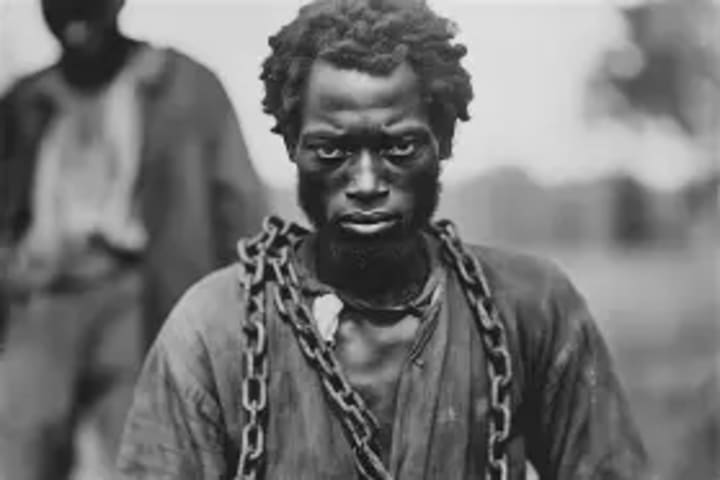
While nations across the Global South overwhelmingly supported the motion, the vote also laid bare the enduring global divide over accountability for historical crimes. The United States, Israel, and Argentina voted against the resolution, while most European nations abstained, declining to oppose the resolution openly but stopping short of endorsing its implications.
The symbolic and legal weight of the declaration has already reverberated far beyond the walls of the General Assembly, particularly in countries whose modern identities were forged through enslavement. In Brazil, the last country in the Americas to abolish slavery in 1888, activists, scholars, and Afro-Brazilian communities have renewed demands for recognition, restitution, and structural reform.
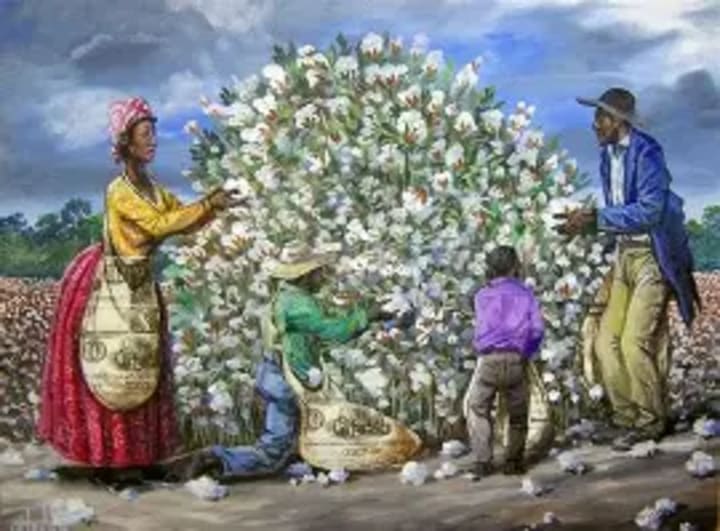
A Crime Recognized, A Legacy Unresolved
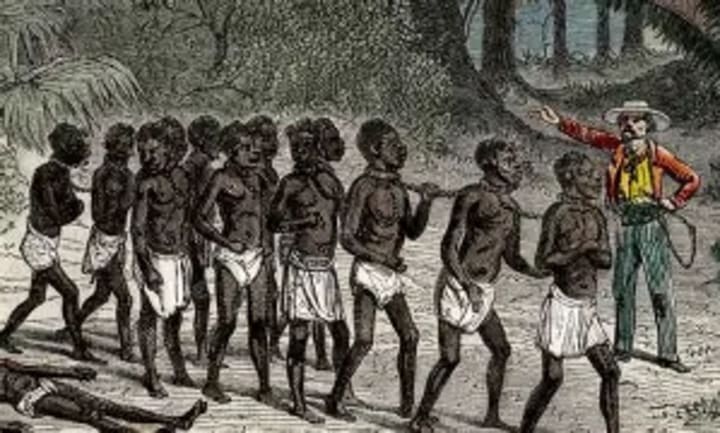
For over four centuries, the transatlantic slave trade forcibly displaced an estimated 12 to 15 million Africans, with millions more dying before ever reaching the Americas. Entire societies were destabilized. Cultural systems were disrupted or erased. Wealth extracted through enslaved labor fueled industrialization, state-building, and global empires whose benefits remain firmly entrenched in the modern world.
Yet despite its central role in shaping contemporary global inequality, the slave trade has often been framed as a regrettable but concluded episode—addressed through abolition alone. The UN resolution challenges this narrative directly, asserting that the crime did not end with abolition, because its effects were never remedied.
By classifying the transatlantic slave trade as the gravest crime against humanity, the General Assembly situates it alongside genocide and crimes against humanity in contemporary international law. This classification is not merely symbolic; it reshapes how states are expected to engage with the past and their responsibilities in the present.
Ghana’s Leadership and the Global South’s Voice
Ghana’s leadership in advancing the resolution reflects its longstanding role as a focal point of the African diaspora’s return, remembrance, and reckoning. From the slave forts along its coast to its modern initiatives inviting descendants of the enslaved to reconnect, Ghana’s position underscores that reparative justice is not about revenge, but repair.
Across Africa, the Caribbean, Latin America, and parts of Asia, governments and civil society organizations have framed reparations as a matter of international equity. These regions bore the human cost of enslavement and colonial extraction while receiving none of the accumulated benefits. The resolution affirms that reality and validates decades of advocacy dismissed as unrealistic or divisive.

The Abstentions and the Resistance
The opposition and abstentions reveal an unresolved tension within the international system. Many states that profited most directly from slavery and colonialism remain reluctant to endorse reparations, often citing legal complexity, historical distance, or fears of financial liability.
Yet supporters of the resolution argue that avoidance has itself become a political choice—one that perpetuates injustice rather than addressing it. Abstention, they contend, is not neutrality; it is a refusal to engage with the moral and material consequences of history.
Reparative justice, as outlined in the resolution, does not mandate a single model of compensation. Instead, it calls for dialogue, national processes, and international cooperation to determine appropriate forms of repair. These may include debt relief, development investment, educational reform, healthcare equity, land restitution, cultural repatriation, and institutional reform.
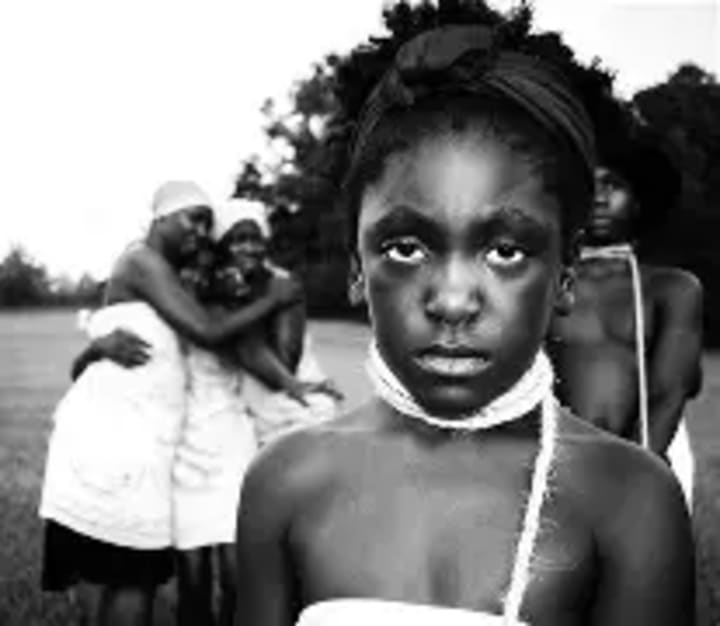
Brazil: A Case Study in Living Legacy
Nowhere is the urgency of reparative justice more evident than in Brazil. Home to the largest population of African descendants outside Africa, Brazil imported more enslaved Africans than any other nation in the Americas. The formal abolition of slavery did not come with land redistribution, economic support, or social integration.
As a result, Afro-Brazilians today remain disproportionately affected by poverty, police violence, limited political representation, and restricted access to education and healthcare. The UN’s declaration has reignited national conversations about historical accountability and the structures that continue to marginalize Black Brazilians.
Community leaders in Rio de Janeiro and beyond emphasize that reparations are not abstract demands—they are about material conditions, dignity, and future possibilities.
Cultural Theft and the Demand for Return
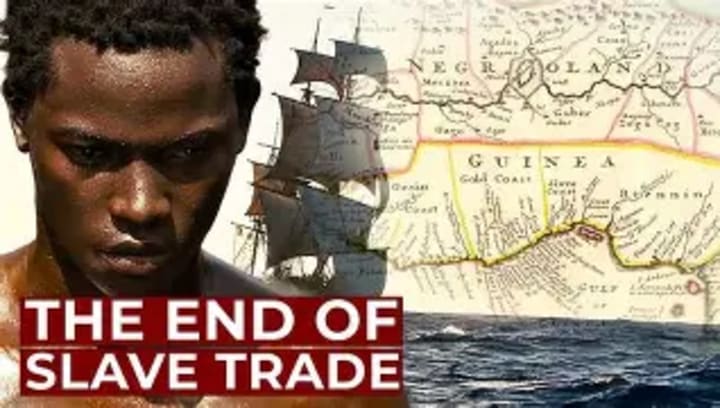
A key component of the resolution is the call for the return of stolen artifacts, cultural objects, and human remains removed during the slave trade and colonial era. Museums and private collections in Europe and North America hold vast quantities of African and Indigenous heritage acquired through violence or coercion.
For descendant communities, repatriation is about more than objects. It represents the restoration of history, identity, and agency. The resolution frames cultural return as an essential element of healing and truth-telling.
From Recognition to Action
While the resolution itself does not impose binding obligations, it provides an authoritative framework for action at national, regional, and international levels. Governments now face a choice: treat the declaration as a symbolic gesture—or as a roadmap for transformation.
Civil society organizations stress that public engagement will determine which path is taken. Reparative justice has moved from the margins of global debate to its center, and sustained pressure will be necessary to convert recognition into policy.
Who to Contact and Petition
Individuals, organizations, and communities seeking to support reparative justice can direct their advocacy to the following institutions:
At the United Nations level:
Permanent Missions to the United Nations of member states
The Office of the President of the UN General Assembly
The UN Human Rights Council
UN Special Rapporteurs on racism, historical injustice, and cultural rights
At the national level:
Ministries of Foreign Affairs
Ministries of Justice
National human rights commissions
Parliamentary committees on foreign relations, culture, and social justice
Cultural and institutional stakeholders:
National museums and heritage institutions
University boards and trustees
Public pension funds and foundations with historic ties to slavery
Petitions should call for:
Formal acknowledgment of national involvement in the slave trade
Participation in international reparative justice dialogues
Support for artifact and remains repatriation
Investment in affected descendant communities
A Turning Point, Not an Endpoint
The UN’s declaration does not resolve the harms of slavery—but it ends the pretense that those harms are unaddressable or irrelevant. It affirms that history is not distant, that injustice compounds when ignored, and that repair is a legitimate demand, not a radical one.
As the world confronts this truth, the question is no longer whether reparative justice is warranted, but whether the international community has the courage to pursue it.
The recognition of the transatlantic slave trade as the gravest crime against humanity is a beginning. What follows will define the moral credibility of the global order itself.
The fight for reparative justice does not end with resolutions or declarations—it requires public engagement, education, and sustained dialogue. Understanding the historical foundations of today’s global inequalities is essential to shaping fair and lasting solutions.
Readers interested in deeper exploration of these themes—covering history, global power structures, social justice, and pathways toward equity—are encouraged to check out my available eBooks, where these issues are examined in greater detail and with extended analysis.
To stay informed on future writings, essays, and ongoing commentary related to international justice, reparations, and global accountability, consider subscribing for updates and new publications.
The work of truth, repair, and justice is collective—and it continues with informed voices, shared knowledge, and sustained attention.
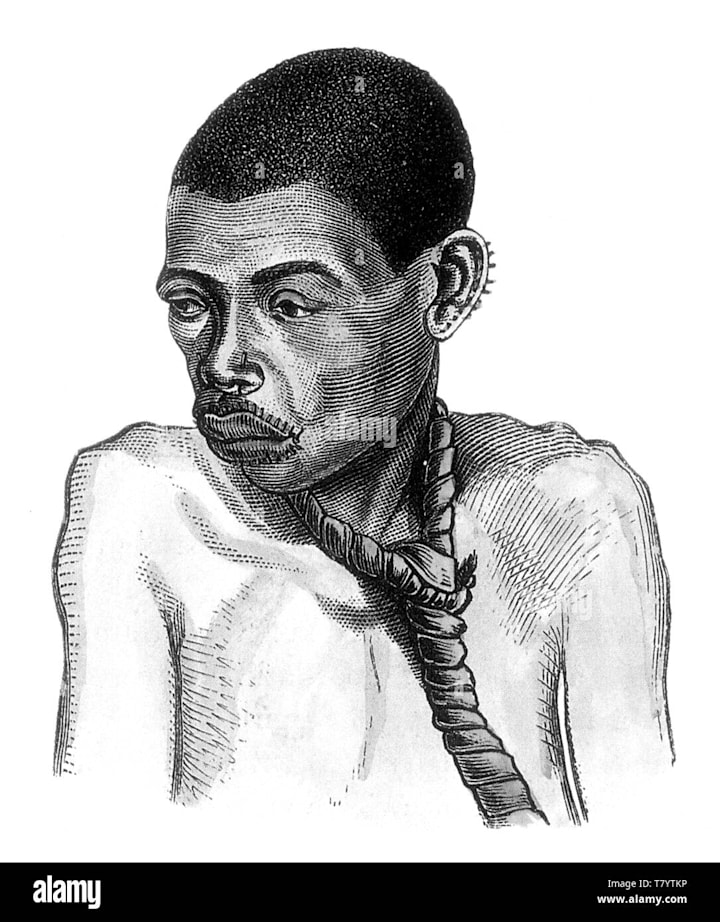
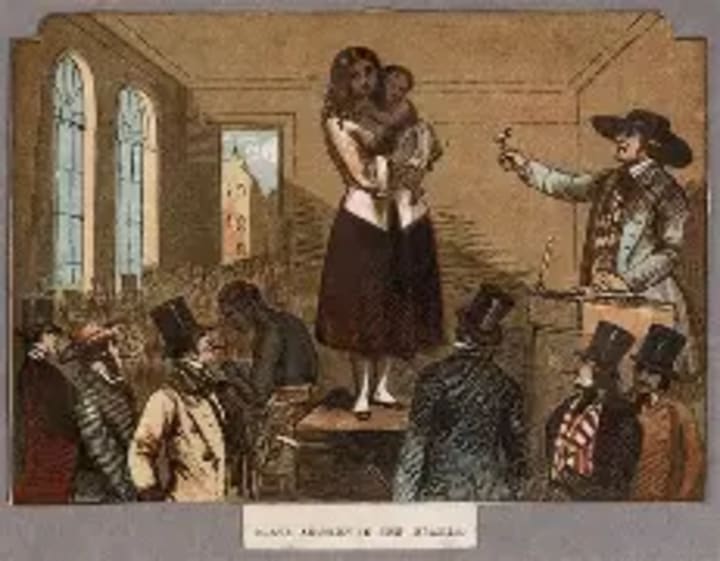
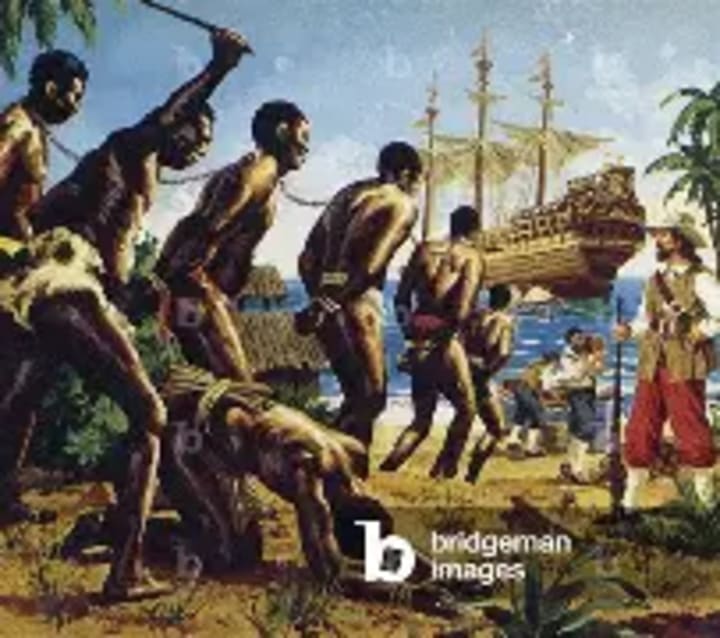
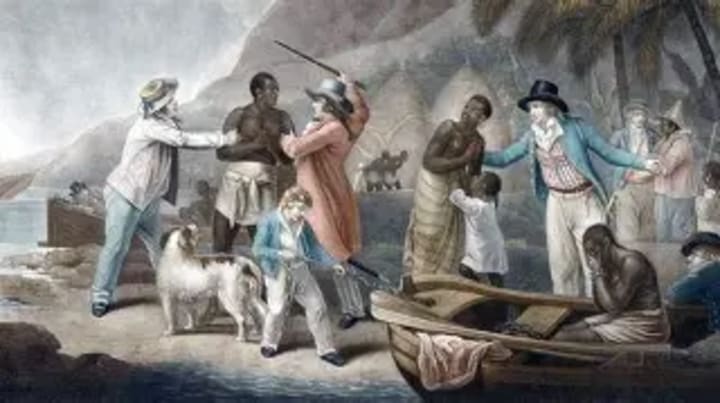
Enslaved Africans endured systematic mistreatment designed to strip them of autonomy and humanity. Violence was routine, used to enforce obedience and extract labor, while families were separated without regard. Sexual violence was widespread and institutionalized, especially against enslaved women and girls, whose bodies were treated as property rather than protected as human beings. Rape was not incidental but embedded in the power structure of slavery, used to dominate, terrorize, and reproduce labor through forced birth. These abuses were rarely punished and often normalized, leaving generational trauma that did not end with emancipation.
Where to Write or Petition for Reparative Justice
United Nations – Official Channels
Office of the President of the UN General Assembly
United Nations Headquarters
405 East 42nd Street
New York, NY 10017
USA
UN Human Rights Council (Petitions & Communications)
Office of the High Commissioner for Human Rights
Palais des Nations
1211 Geneva 10
Switzerland
UN Permanent Missions (Your Country’s Mission)
Write to your nation’s Permanent Mission to the United Nations urging support for reparative justice measures tied to the General Assembly resolution.
National Government Institutions (General)
Ministry or Department of Foreign Affairs
Ministry or Department of Justice
National Human Rights Commission
Parliamentary Committees on Human Rights, Cultural Affairs, or International Relations
(Use the official mailing address listed for these institutions in your country.)
Cultural & Institutional Accountability
National museums and cultural heritage authorities
University boards and trustees with documented historical ties to slavery
Foundations or public institutions that acknowledge benefiting from enslaved labor Understanding the Legal, Moral, and Economic Case for Reparative Justice
What Are Reparations?
Reparations are actions taken to repair harm caused by serious wrongdoing, especially when that harm was carried out or protected by governments or powerful institutions. Reparations can include acknowledgment, apology, material compensation, policy reform, investment in affected communities, and guarantees that the harm will not be repeated.
Reparations are not about individual guilt. They are about institutional responsibility and repair.
1. The Legal Case for Reparations
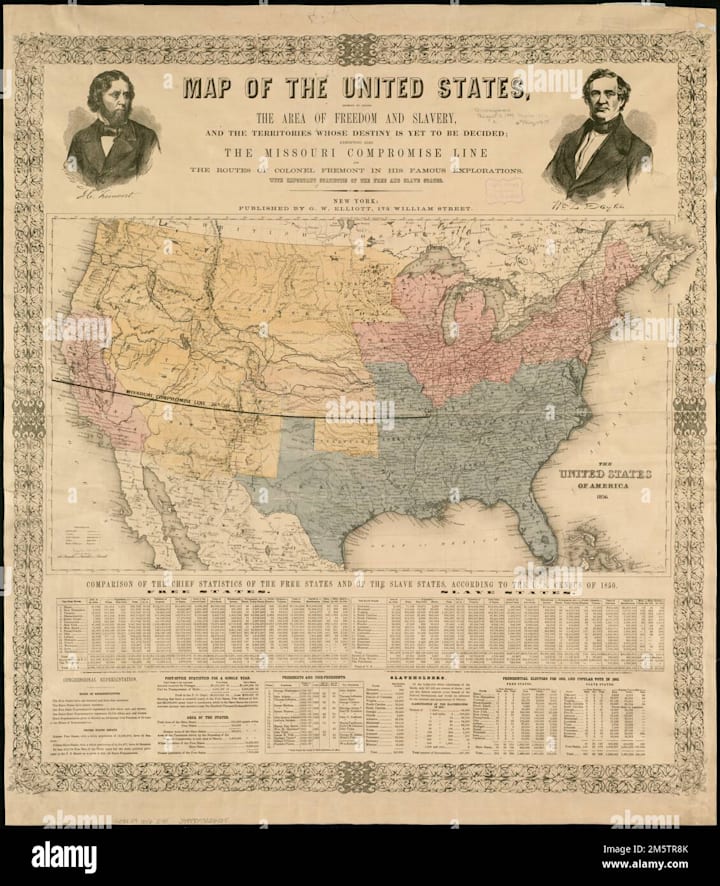
From a legal perspective, slavery and the transatlantic slave trade were state‑sanctioned systems. Governments created laws that defined Black people as property, protected enslavers’ rights, enforced forced labor, and denied enslaved people legal personhood.
Under well‑established legal principles:
When a government authorizes harm, the government has a duty to repair it.
Crimes against humanity require remedy, not just acknowledgment.
Ending an illegal system does not erase responsibility for the damage it caused.
Importantly, emancipation did not include restitution. Formerly enslaved people were freed without land, compensation, or protection, while those who benefited from slavery kept wealth, property, and power. That legal imbalance has never been corrected.
2. The Moral Case for Reparations
Morally, reparations rest on a simple principle: justice requires repair.
Slavery involved:
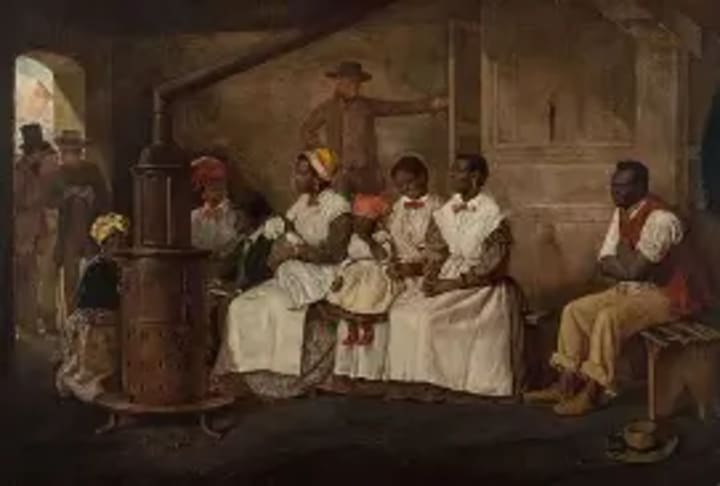
Systematic violence and family separation
Sexual exploitation and coercion
Denial of education, wages, and human dignity
Ignoring these harms after abolition communicated that Black suffering did not warrant repair. Many faith traditions and moral philosophies teach that reconciliation requires:
Truth‑telling
Accountability
Restoration where possible
Reparations are a way of honoring human dignity, recognizing that forgiveness and healing cannot be demanded without addressing harm.
3. The Economic Case for Reparations
Economically, slavery and its aftermath shaped wealth distribution that persists today.
Key realities:
Enslaved labor generated enormous wealth used to build nations, industries, and institutions.
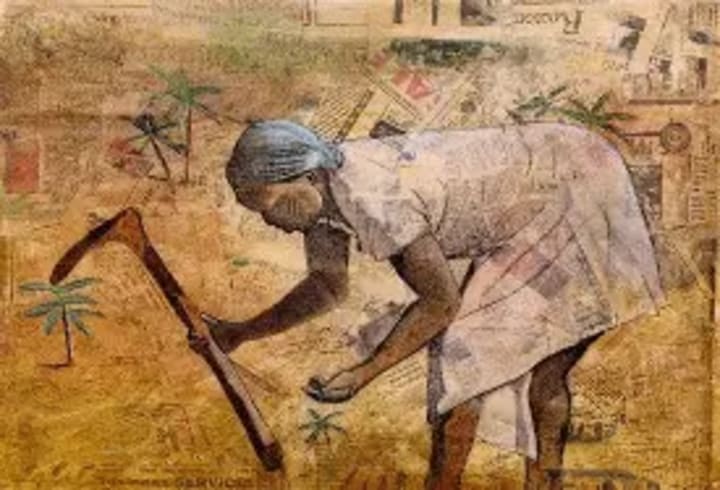
After slavery, Black communities were excluded from land ownership, credit, education, and public investment—while others were subsidized.
These exclusions created intergenerational disadvantages that compound over time.
Modern disparities in wealth, health, housing, and education are not accidental. They closely follow historical patterns of policy‑driven exclusion. Reparations are aimed at correcting those distortions, not creating unfair advantage.

From an economic standpoint, reparative policies are an investment:
Reduced inequality lowers long‑term social costs
Healthier, more stable communities strengthen economies
Addressing root causes is more effective than managing symptoms
What Reparations Are — and Are Not
Reparations ARE:
About repair, not revenge
Focused on systems, not personal blame
Forward‑looking and solution‑oriented
Reparations are NOT:
A claim that all people today are personally guilty
A single check or one‑size‑fits‑all policy
About erasing history rather than confronting it
What does justice require when harm was legal at the time it was committed?
Can reconciliation happen without material repair? Why or why not?
How do historical policies continue to shape opportunities today?
What forms of reparative justice make sense in your community or nation?
How do moral teachings about repentance and restoration apply to nations and institutions?

The case for reparations rests on a shared ethical foundation:
When harm is proven, responsibility is established, and damage continues, repair is not optional—it is justice.
Sample Letter (Copy, Download, or Send)
Subject: Support for Reparative Justice Following UN Declaration on the Transatlantic Slave Trade
Dear [Institution or Office],
I am writing in response to the United Nations General Assembly’s recent declaration recognizing the transatlantic slave trade as the gravest crime against humanity.
This historic acknowledgment affirms what affected communities have long known: that the harms of slavery did not end with abolition. The economic, social, cultural, and psychological damage caused by centuries of forced labor, violence, and dispossession remains visible today.
I respectfully urge your institution to publicly recognize its responsibility to engage with this legacy and to support meaningful reparative justice efforts. These include, but are not limited to, formal acknowledgment, participation in international dialogue on reparations, support for affected descendant communities, and the return of cultural artifacts and human remains acquired through slavery and colonial exploitation.
Reparative justice is not about blame—it is about repair, accountability, and building a future rooted in truth and equity. Institutions that lead with integrity at this moment help advance global justice and reconciliation.
I appreciate your attention to this matter and look forward to your public commitment to addressing the enduring consequences of the transatlantic slave trade.
Respectfully,
[Your Name]
[City / Country]
[Optional: Organization or Affiliation]