

Case Explained:This article breaks down the legal background, charges, and implications of Case Explained: The Rise of Smart Public Safety Tech: How Real-Time Crime Centers Are Transforming Urban Communities – Legal Perspective
Remember those old sci-fi movies where police departments had giant screens covering entire walls, operators typing furiously while tracking suspects across a city in real time? Well, that future arrived quietly, and most people have no idea it’s already running in cities around the world.
Real-time crime centers are one of those technologies that sounds like something out of a Hollywood blockbuster, but they are very much real, very much operational, and very much changing how cities keep their residents safe. If you have ever wondered how modern law enforcement manages to respond faster, catch suspects smarter, and do more with fewer resources, this is a big part of the answer.
Let us break down exactly what these centers are, how they work, and why urban communities everywhere should be paying attention.
What Exactly Is a Real-Time Crime Center?
At its core, a real time crime center (often shortened to RTCC) is a centralized hub where technology and trained human operators work together to support law enforcement in real time. Think of it as mission control for a city’s public safety operations.
Instead of officers relying only on what they can personally see and hear in the field, they now have a team of specialists back at headquarters pulling together information from dozens of sources simultaneously. These operators watch live camera feeds, track suspect movements, run database checks, and feed critical intelligence directly to officers on the ground within seconds.
The goal is simple: give the right information to the right officer at the right moment.
It sounds straightforward, but the technology and coordination required to pull this off is genuinely impressive. And the results speak for themselves.
How Did We Get Here? A Brief History
The idea behind RTCCs is not entirely new. Law enforcement has always wanted better, faster information. The difference is that technology finally caught up with that ambition.
The first real-time crime center in the United States opened in New York City back in 2005. It was built at a cost of $11 million and gave the NYPD access to billions of records, criminal histories, and mapping tools that could help detectives move faster on active cases. For its time, it was revolutionary.
Fast forward to today, and what was once an $11 million operation exclusive to massive metropolitan departments has evolved into scalable, cloud-based platforms that smaller cities and counties can afford and deploy. The technology has not just improved, it has become accessible. And that shift is what is really driving the transformation of urban public safety.
The Data Sources Powering These Centers
Here is where things get genuinely fascinating. What makes a real-time crime center so powerful is not any single piece of technology. It is the combination of many different data streams all flowing into one place.
License Plate Readers
Automated license plate readers, often called LPRs, are one of the most powerful tools in the RTCC toolkit. These cameras can scan thousands of plates per hour and instantly flag stolen vehicles, vehicles connected to wanted individuals, or cars that match a description from an active incident.
When a crime occurs and witnesses report a vehicle, an RTCC operator can pull up LPR data across an entire city in seconds. That kind of speed used to take hours or even days.
Live Camera Networks
Cities have more cameras than most residents realize. Traffic cameras, transit cameras, business security systems, and public surveillance networks all represent potential data sources for a real-time crime center. Operators can pull up live feeds from cameras near an active incident, track a suspect’s movements through an area, and relay that information directly to responding officers.
This is the part that tends to feel the most cinematic, because it genuinely is. A skilled operator watching a grid of camera feeds, calmly directing officers toward a suspect’s location, is not a movie scene. It is Tuesday afternoon at a modern RTCC.
Social Media and Open Source Intelligence
This one surprises most people. Social media has become a legitimate and powerful intelligence source for law enforcement. During active incidents, witnesses post videos, photos, and updates in real time. Someone near a crime scene might film something crucial without even realizing it.
RTCC operators monitor relevant social media activity during high-priority incidents, gathering information that might not come through traditional channels. Geo-tagged posts, live streams, and photos can all add pieces to a developing picture.
Computer-Aided Dispatch Integration
Computer-aided dispatch systems, or CAD, are the backbone of how 911 calls get managed and assigned to officers. When an RTCC is integrated with CAD, operators can immediately see new calls, pull up relevant camera feeds near the incident location, and start gathering intelligence before officers even arrive on scene.
That head start makes an enormous difference in fast-moving situations.
Criminal Databases and Records
Beyond live data, RTCC operators have rapid access to criminal histories, warrants, known associates, registered vehicles, and a wide range of other records. When an officer radios in a name or a plate number, an operator can return a full background picture within moments.
The Human Element: More Than Just Technology
Here is something that often gets lost when people talk about smart technology: the tools are only as good as the people using them.
Real-time crime centers are staffed by a mix of sworn officers and civilian analysts who are trained specifically to work in this kind of environment. These are not people casually watching screens. They are skilled professionals who understand how to synthesize multiple streams of information quickly and communicate clearly under pressure.
Think of them as the air traffic controllers of law enforcement. Their job is to maintain awareness of a chaotic, constantly changing situation and make sure the people in the field have what they need to succeed.
Training and Expertise Matter
Operators have to learn not just how to use the technology, but how to read situations, prioritize information, and avoid the trap of information overload. When you have dozens of camera feeds, multiple database queries, and a radio channel all running simultaneously, knowing what to focus on is a real skill.
The best RTCCs invest heavily in operator training and treat their staff as a core strategic asset, not just button-pushers behind a screen.
Real Results in Real Communities
The impact of real-time crime centers on the communities that have adopted them is hard to ignore.
Law enforcement agencies that have implemented RTCCs consistently report:
- Faster response times to active incidents
- Higher rates of suspect identification in violent crime cases
- More efficient use of limited patrol resources
- Improved ability to manage large public events safely
- Better coordination between multiple agencies during major incidents
One of the most compelling aspects of this technology is how it changes the nature of policing from reactive to proactive. Traditional police work is largely about responding after something bad has happened. RTCCs give departments the tools to get ahead of situations, track developing threats in real time, and deploy resources precisely where they are needed.
What This Means for Urban Communities
Beyond the statistics, there is a broader story here about what it means to live in a city with this kind of infrastructure in place.
Faster Help When It Matters Most
When seconds count, having an operator who can immediately locate nearby cameras, identify a suspect’s direction of travel, and relay that to officers can be the difference between an arrest and a cold case. For residents, that translates to faster resolution of serious incidents and a higher likelihood that criminals are actually caught.
Smarter Use of Limited Resources
Police departments everywhere are dealing with staffing challenges and budget pressures. RTCCs help agencies do more with what they have. Rather than sending multiple patrol units to canvas an area blindly, a single operator can narrow the search zone significantly and direct officers precisely. That efficiency benefits everyone.
This one is more nuanced, but worth discussing. When residents see law enforcement catching criminals faster, resolving incidents more cleanly, and operating with greater accountability, it builds confidence. Trust between communities and their police departments is fragile and complicated, but demonstrated competence and effectiveness is one real way to strengthen it.
The Technology Behind the Scenes: Understanding the Unification Layer
One of the most important concepts in modern RTCC design is the unification platform, as specialists call it. This is the software layer that ties everything together.
Imagine you have license plate reader data, live camera feeds, CAD integration, criminal records access, and social media monitoring all running separately. Each system might work brilliantly on its own, but if operators have to switch between five different screens and interfaces, the cognitive load becomes overwhelming and critical seconds get lost.
The unification platform solves this by creating a single interface that brings all these streams together. Operators get one screen, one experience, and a far more manageable workflow. This is where a lot of the real innovation in the RTCC space is happening right now.
For a deeper look at how these data streams are unified and how the full system fits together in a real deployment, this resource on real time crime center breaks down the moving pieces in a way that is genuinely easy to follow.
The Privacy Conversation We Need to Have
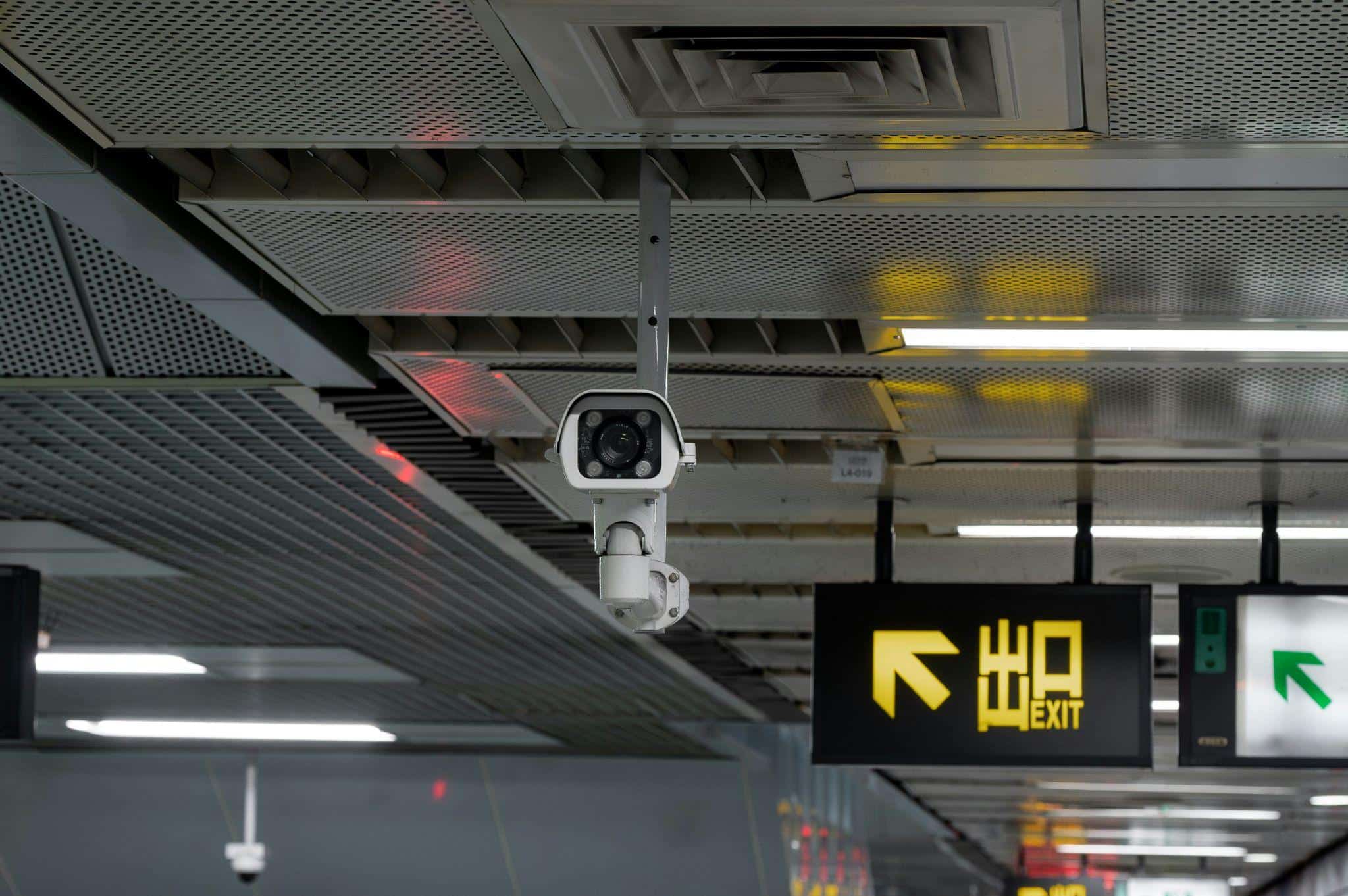
It would be irresponsible to talk about real-time crime centers without addressing the legitimate questions around privacy and civil liberties.
Anytime you expand surveillance infrastructure, questions arise about how that data is stored, who has access to it, how long it is retained, and what safeguards exist against misuse. These are not paranoid concerns. They are reasonable expectations that any community should have when new technology is deployed in their name.
The good news is that the most thoughtfully implemented RTCCs are built with these concerns in mind. Some departments have worked directly with civil liberties organizations during the planning and implementation process to establish clear policies around data retention, access controls, and accountability.
The conversation around privacy and public safety technology is ongoing and evolving. It should be. The communities that will benefit most from RTCCs are the ones where residents, officials, and law enforcement work together to define the boundaries clearly from the start.
What the Future Looks Like
The trajectory of real-time crime center technology is pointing in some genuinely exciting directions.
Artificial intelligence is beginning to play a larger role, helping operators flag anomalies in camera feeds, predict likely movement patterns, and surface relevant information faster. Cloud-based platforms are making these capabilities available to departments that could never have afforded traditional RTCC infrastructure.
Some agencies are even deploying field-accessible versions of RTCC tools, meaning individual officers can access camera feeds, run queries, and receive real-time support directly from devices in their patrol vehicles or on their phones.
The gap between large metropolitan departments and smaller agencies is closing fast. A county police department with 50 officers can now access tools that would have been exclusive to a 37,000-officer department not long ago. For urban communities navigating the challenges of growth, resource constraints, and rising public safety expectations, the democratization of smart technology is genuinely significant.
Conclusion: The Smartest Cities Are Listening
Real-time crime centers represent something bigger than a technology upgrade for police departments. They represent a fundamental shift in how urban communities think about safety, data, and the relationship between human judgment and technological capability.
The cities that are getting this right are not just installing screens and cameras. They are building systems where technology amplifies human expertise, where information flows freely to the people who need it most, and where accountability keeps the whole enterprise honest.
Here is the thought worth sitting with: the most powerful safety systems we are building are not fully automated, and they are not purely human either. They are something in between. A partnership between trained human intelligence and machine-speed data processing that neither could achieve alone.
In a world where we increasingly debate whether technology replaces human judgment, the real-time crime center offers a different answer. Sometimes, the smartest thing technology can do is make human decision-making faster, sharper, and better. And that might be the most hopeful thing about the future of public safety.