


Case Explained:This article breaks down the legal background, charges, and implications of Case Explained: Rock Springs Activist Defends Raid On Wisconsin Beagle Lab, Says Arrest Was Worth It – Legal Perspective
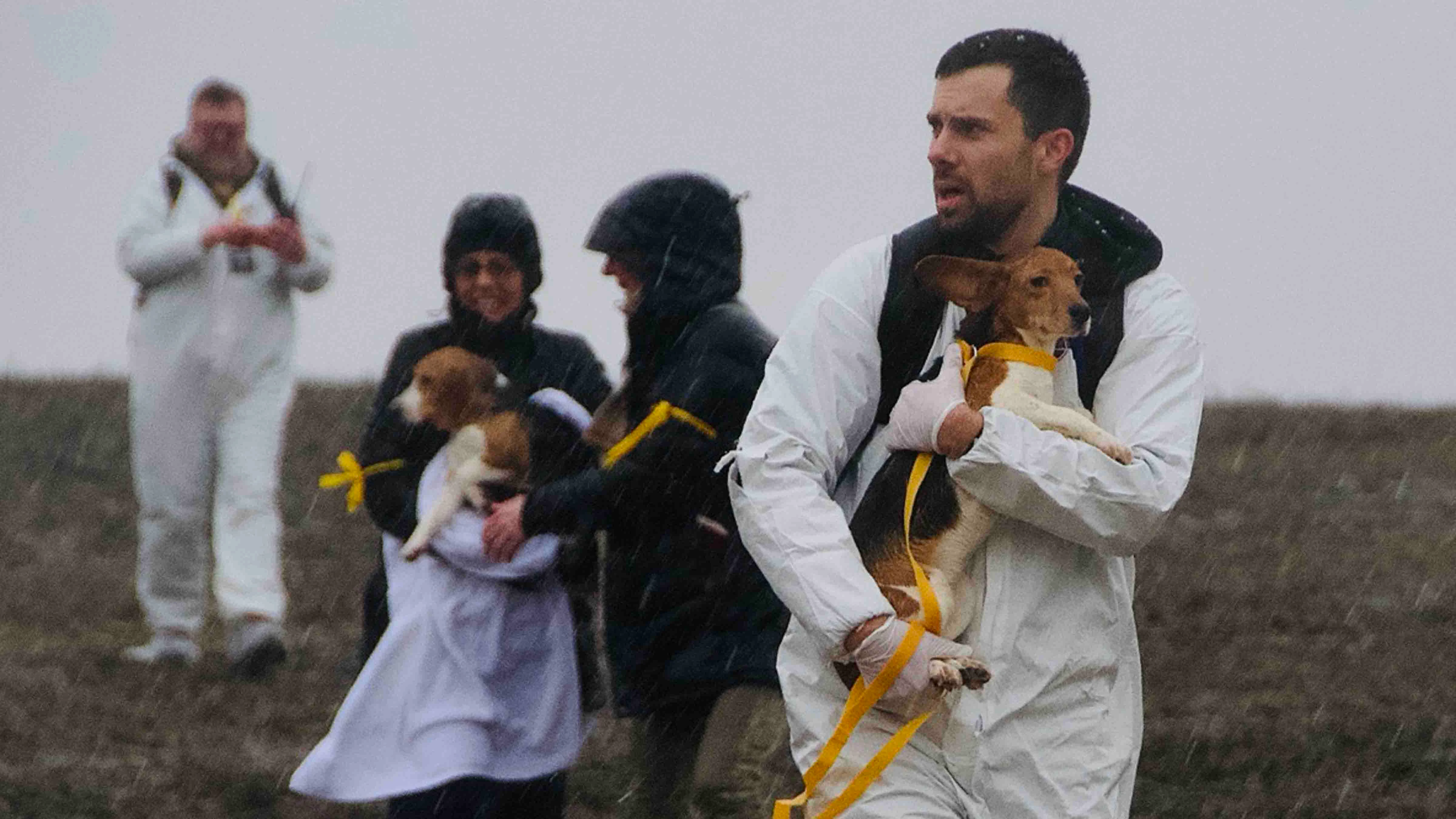
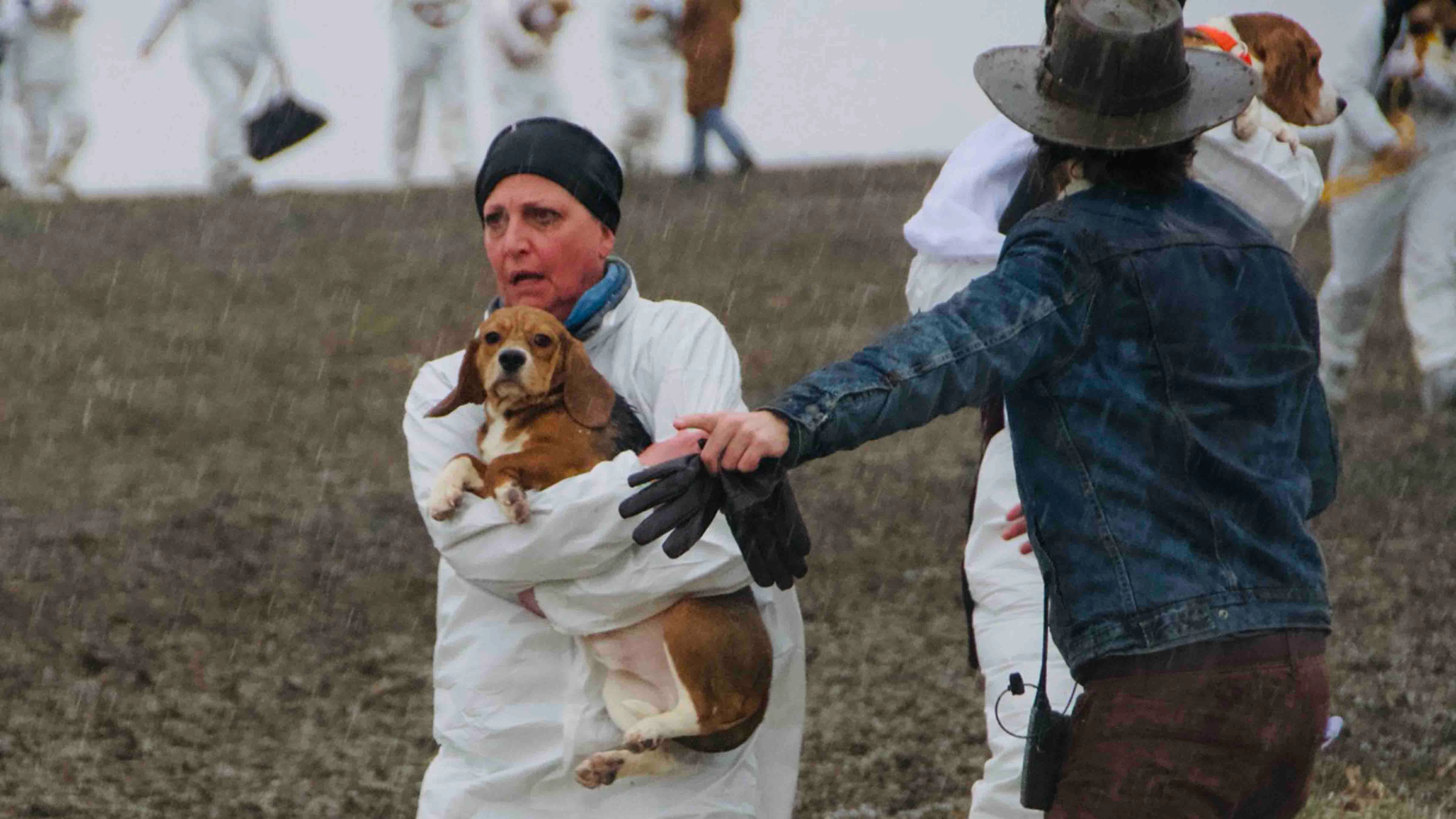
Madhu Anderson doesn’t regret the arrest. She recalled carrying the beagle in her arms through a rainstorm and kissing her on the forehead and telling her she’d be safe as she loaded the dog into a waiting vehicle.
Anderson, who is from Rock Springs, was among the 27 animal rights activists arrested on March 15 after breaking into a Wisconsin biomedical research facility and taking 30 beagles.
Twenty-two beagles ended up freed after authorities recovered eight during arrests.
About 100 activists came to Wisconsin from all over the country, including Wyoming, to protest conditions at Ridglan Farms, a biomedical research facility and commercial breeder, in Mt. Horeb, Wisconsin.
Anderson said that the group of activists had alerted authorities prior to the event and asked for their help in retrieving the beagles. Prior to entering the facility, the activists attended a training in non-violent, peaceful protest, where they were taught to stay calm and be avoid violence both in words and actions prior to donning their white biohazard suits.
“It was a last resort,” Anderson told Cowboy State Daily.
Anderson said she had no doubt she would be arrested because she’d committed to not leaving until all the animals were freed.
“It’s not a crime to rescue abused animals when they are suffering,” she said.
Ridglan Farms
The beleaguered research facility has been at the heart of a lawsuit filed by animal rights groups following an undercover investigation that resulted in multiple state and federal violations and animal cruelty charges.
Along with more than 300 violations of the state’s administrative code, the nation’s second-largest breeding facility is also facing multiple animal cruelty allegations from providing unsanitary and cramped living conditions to performing certain surgeries without anesthesia and proper veterinarian oversight among other charges of abuse and neglect. As a result of these allegations, the facility’s veterinarian had his license suspended and a special prosecutor was assigned to investigate.
This prompted Ridglan Farms to relinquish its license to commercially sell animals by July 1 as part of a plea agreement with local prosecutors.
Until that date, the facility can continue to sell dogs to other research facilities though it can’t breed more for commercial use nor has it indicated it will allow any remaining animals to be adopted out, Anderson said.
The efforts have been led by animal rights activist and attorney, Wayne Hsiung, and other groups, including Dane 4 Dogs, a local group that is calling for the roughly 2,000 remaining beagle dogs and puppies to be freed immediately.
Anderson said she has been following this situation at Ridglan Farms for years and rushed to Wisconsin when she learned about the protest earlier this month.
Anderson is an outspoken animal rights advocate and frequently heads up efforts for the humane treatment of animals, including successfully leading the charge in Wyoming to abolish the state’s two remaining gas chambers for animal euthanasia in Green River and Evanston.
Last fall, the city councils in both cities voted to discontinue this method of killing animals.
She also protested coyote killing contests in Rock Springs and was an outspoken critic of Cody Roberts of Daniel, who famously made national and international headlines for torturing a wolf in a bar that he’d run over with a snowmobile. Roberts recently pleaded guilty to torturing the wolf and publicly apologized for his behavior.
Worth it
Anderson and the others were charged with trespassing and ordered to appear at the Dane County Courthouse on May 14 at 8:30 a.m., according to a copy of her arrest document shared with Cowboy State Daily.
She called the “nonviolent mass beagle rescue” a last resort because activist groups have been calling on authorities to intervene for nearly nine years following the undercover investigation that initially exposed the conditions that led to the violations and criminal charges.
Along with protesting outside of the facility, dozens of activists used sledgehammers and crowbars to break windows, company communications representative, Jim Newman, told 12 News. He also denied that any animals have been abused.
A phone call and email to Ridglan Farms for an estimated cost of damages and other comment was not returned by publication time.
Anderson did not herself breach any doors or windows, she said, but instead followed others in to take the animals.
In her mind, the efforts were justified and worth the arrest, especially after she saw conditions inside, she said.
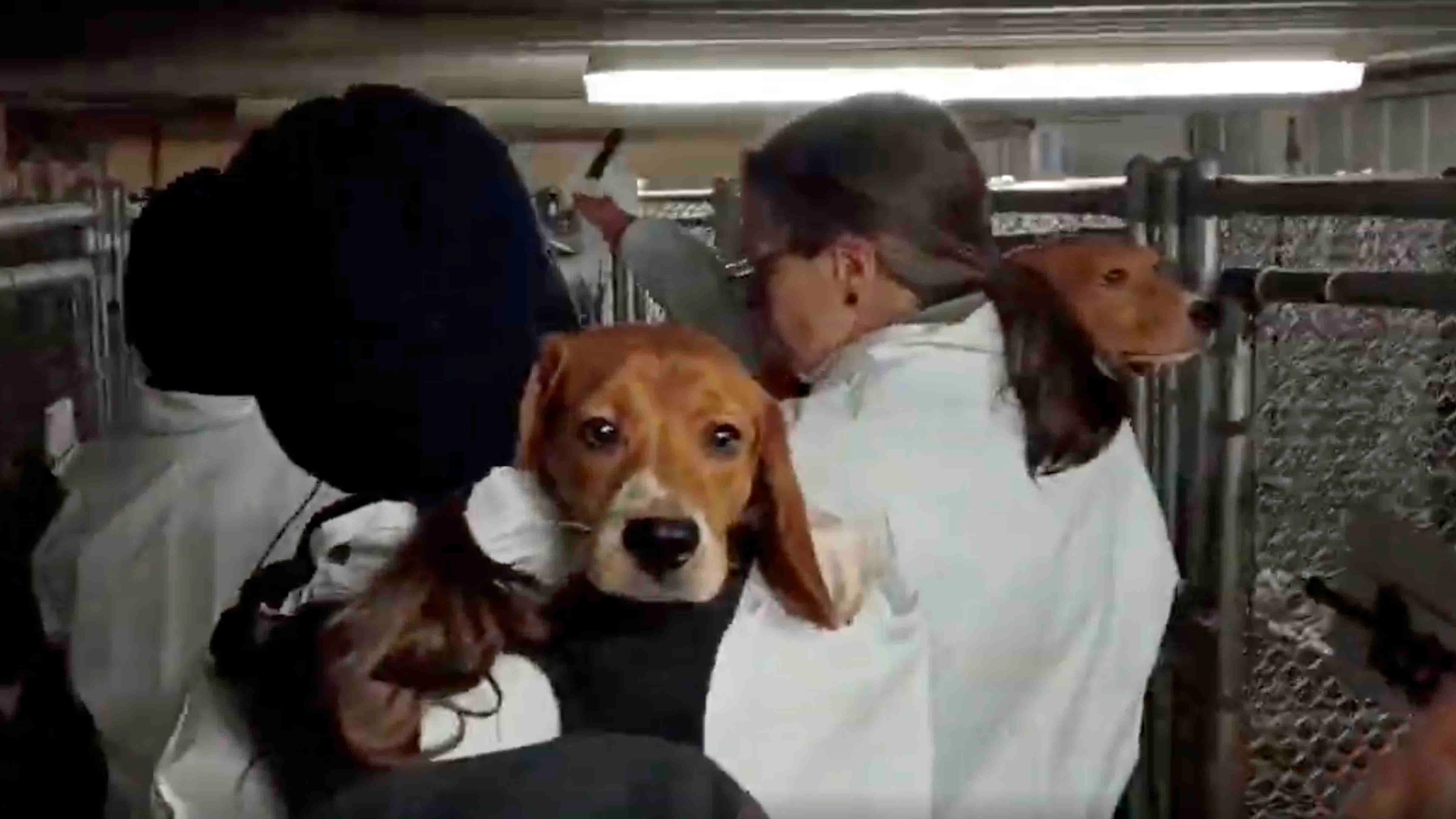
She described beagles barking and spinning in distress in “small, rusty wire cages” and the stench of urine and feces.
“This facility has a documented history of hundreds of animal welfare violations, including performing surgeries on dogs without anesthesia or painkillers. For years, advocates tried everything else — we filed complaints and pleaded with officials,” Anderson said. “When no one acted, we felt we had a moral duty to intervene.”
Heart For Animals
Given the purpose of their mission, Anderson does not feel she or the others did anything wrong, and in fact, said law enforcement should be undertaking rescue operations because Ridglan Farms “has committed crimes under Wisconsin’s animal cruelty laws.”
She called the group’s efforts “non-violent” despite the broken doors and windows and said they informed police of their plans to break in prior to their break-in. Anderson said activists had also alerted the Dane County District Attorney about their actions weeks in advance and called for them to help in freeing the animals.
“The authorities had refused to help these dogs for years…,” she said.
After the legal community refused to step in to help, Anderson said, they “kept their promise and took nonviolent action to rescue 22 dogs to safety.”
After grabbing one beagle, Anderson returned to the facility in attempts to get more, which is when she and the others arrested were detained by authorities who gave them the option to leave with a citation for trespassing. When they refused to budge without the dogs, they were arrested.
Anderson said they were booked and detained for a couple hours before being released, which she said was well worth the trouble.
“To be booked and released for this cause was one of the most meaningful experiences of my life,” she said.

Ripple Effect
The group’s actions have reignited the heated debate over animal rights activism versus the rule of law and the most effective means for protecting animals both during and after their clinical trials.
John Ramer, executive director of the Kindness Ranch in Hartville, Wyoming, was discouraged by the break-in. Ramer, who oversees the only facility of its kind in the nation that takes in only medical and clinical lab animals following their clinical trials, said its unlawful actions such as these that set back their efforts.
Ramer was attending a legal function surrounding animal rights at the University of Denver when word of the protest and “open rescue” hit the airwaves. The announcer, who happened to be one of the attorneys for Hsiung’s group, proudly let the audience know about the group’s actions.
Ramer said the applause was mixed, because though everyone agrees that animal testing is wrong, he said, it’s nonetheless still legal in America to do so.
As such, Ramer and his fellow advocates work meticulously to form working relationships with medical and clinical test facilities to rescue animals after their clinical trials instead of being euthanized.
This involves signing non-disclosure agreements and keeping rescues out of the public purview, to remain out of the sights of animal rights activists and protests.
Ramer put out a statement after events in Wisconsin to explain how actions like this harm the tenuous relationships he’s formed with these facilities.
He referenced one incident in which an animal rights activist livestreamed themselves standing in front of one of the research facilities with whom he had a working relationship to expose its location. That action severed their relationship for more than a year before Ramer could restore it.
Numbers Game
He gets it, he said. Emotions run high at the idea of animals being abused.
However, he believes there’s a right and wrong way to go about it that impacts the number of animals that can be rescued.
The numbers say it all, he said.
In 2024, there were nearly 43,000 dogs actively in research or awaiting trials, according to a report from the United States Department of Agriculture.
Of these, Ramer said less than 1% will be released for adoption.
Last year, Ramer and his 20 staff members, rehabilitated and adopted out 240 dogs and about 40 cats they rescued from research and testing facilities. This was less than last year’s 500, but on average, they have about 400 to 500 coming through the animal sanctuary each year.
Right now, in fact, his wife, Katy, is heading home with 22 beagles rescued from a testing facility in the southern U.S.
Likewise, Ramer continues to beef up the number of clinical facilities willing to work with him.
He compares this to the 22 dogs the activists were able to free in Wisconsin after eight were taken back by authorities, which amounts to .055% percent of animals currently used in testing.
“Meanwhile, an untold number of dogs may now be withheld and potentially euthanized, far exceeding that number, because of the damage done to the trust we have worked so hard to build,” Ramer said in his statement.
Casting A Shadow
And though public support on social media of the activists’ break-in is overwhelmingly positive, including from other animal rights groups, it’s counter-productive to the long-term mission, Ramer said.
“The brighter that spotlight becomes, the darker the shadows it casts,” he said. “It is in those shadows that a number of research facilities and smaller laboratory animal breeding facilities will retreat and hide.”
Don’t get him wrong, Ramer clarified. He in no way condones the actions of Ridglan Farms, which he said are egregious. Nor does he support animal testing, but as he noted, it’s legal and he understands why people are angry.
Since posting his statement, he’s received at least two threats from people who feel he and his group are not doing enough.
“It’s admittedly frustrating that Ridglan got away with so much for so long. And then you throw in that over 90% of families that have a dog or cat consider it a ‘family member,’ and it automatically raises emotions even more,” he said.
Ramer said he was well aware of the legal case and allegations of abuse in Wisconsin and had been there several times this year and last to potentially help with the release pending the July 1 due date.
In 2022, Ramer was at the forefront of a massive rescue operation following the mandatory shutdown of the Envigo research and testing facility in Virginia, where he helped initiate the release of approximately 4,000 beagles.
He’s also made several trips to consult with legislators on Capitol Hill to advocate for legislation that requires research facilities to adopt out animals after testing and was pleased to see a bipartisan bill introduced in the U.S. Senate on March 24 by Sen. Susan Collins, R-Maine, and Sen. Gary Peters, D-Michigan.
If passed, the bill, named the Animal Freedom from Testing, Experimentation, and Research (AFTER) Act, would ensure that every federal agency that uses animals for research would have policies in place to facilitate the release of retired, healthy lab animals to private homes, animal rescues or reputable sanctuaries.
Ramer has publicly endorsed the bill and said he thinks proposed legislation like this is the path forward in fighting for long-term change to protect the animals.
He thinks the path forward needs to be tackling the legislation that makes the practice legal and fighting for long-term change to protect the animals.
And like it or not, forming non-adversarial relationships with facilities has allowed them to be effective in their mission to save and adopt out as many former test animals as possible.
“This is where Kindness Ranch is effective. This is what we do,” Ramer said. “This is how we have placed thousands upon thousands of dogs and cats into homes across the country.”
Not Enough
And though Anderson appreciates Ramer and Kindness Ranch, she disagrees that efforts by she and other activists that run afoul of the law are counter-productive to the overall movement. She believes both approaches can work in tandem to meet their overall goals of saving animals.
“I think Kindness Ranch is doing a great job,” Anderson said. “I think they are beautiful people who are taking beagles in, but I think what we’re doing will make their movement go even more forward because people will get bolder that animal cruelty is not and should not be tolerated in our community.”
The two movements are actually in concert, Anderson added, because she thinks it will get more people “up in arms” against the breeding industry.
She also doesn’t view their actions as being illegal, despite the legal ramifications, because she said the research facility is operating illegally and authorities are not stepping in to stop it despite the numerous citations and criminal charges.
“I only know one thing that’s very clear in my heart that a lot of people who have dogs know and that’s that they will not tolerate this cruelty,” she said.
She’s proud to have taken the stand, she noted, and plans to return for subsequent protests and “open rescues” in Wisconsin once a date is set and if she can fit it into her schedule.
“I want to help animals, and I think everybody should come,” she said.
Jen Kocher can be reached at jen@cowboystatedaily.com.