

Case Explained:This article breaks down the legal background, charges, and implications of Case Explained: Denver jury finds police critic guilty of doxing cop, DA says she crossed the line – Legal Perspective
A Denver jury has found activist Regan Benson, a frequent critic of police, guilty of “doxing” a Denver police commander during a livestream last September, in what appears to be the first conviction under Colorado’s anti-doxing law.
“I was exceptionally disappointed,” Benson said following the verdict, which came last week after a two-day trial in Denver County Court.
The 53-year-old grandmother faces sentencing in May and a possible jail term. She maintains she committed no crime.
“I wasn’t committing a crime. There was no victim. We have a right to engage in civil protest,” Benson said. “And that’s exactly what I was doing and why I would do it again.”
CBS 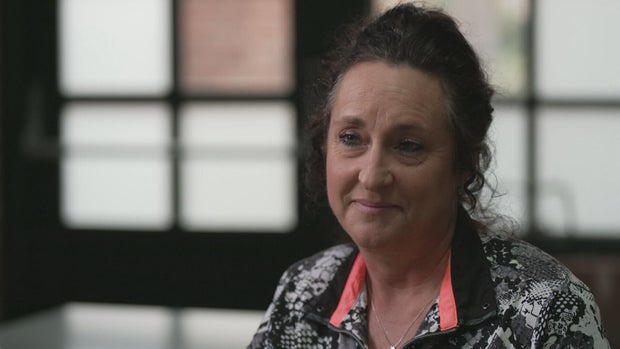
Her supporters say the case is likely headed for appeal on First Amendment grounds, potentially setting up a constitutional challenge to Colorado’s anti-doxing statute. The law is designed to protect public-facing workers from having personal information, such as home addresses, posted online.
Benson’s Sept. 3 livestream from the Denver Police Department’s District 3 station was one of hundreds she has conducted in recent years, often targeting police and other government officials. She has about 24,000 followers on YouTube. On some of her livestreams, she can be seen screaming expletives in the face of police officers.
During that broadcast, Benson criticized DPD Commander Joel Bell, with whom she has had a contentious relationship and previously sued. At one point, she asked viewers to try to find Bell’s home address. Viewers did, and Benson repeated the street address on the livestream.
She later told CBS Colorado she was improvising.
“It was just flowing with the conversation, and that’s it,” she said, adding that there was no malicious intent. During the same livestream, Benson suggested holding a “pig roast” at Bell’s home, something she later described as “a joke, hyperbole.”
Bell testified that he took the comments seriously.
“I was very concerned about her conduct, not only for my safety, but more importantly, my family’s safety,” he said in court.
After learning about the livestream, Bell contacted supervisors, prompting a “safety plan” that included increased patrols and installation of a camera at his home.
A week later, Denver police obtained a warrant for Benson’s arrest on a charge of posting personal information of a protected person online, a class one misdemeanor. In Colorado, police officers are considered protected persons under the law.
State Rep. Andy Boesenecker, who helped sponsor an update of the anti-doxing law, defended its intent.
“People, regardless of their job, deserve to do that job without fear for their safety or their families,” Boesenecker said. “I think there’s a clear line that we have to draw as a society to say that people still deserve to be safe while they do their jobs and their families shouldn’t face a threat of violence or other threats as well.”
Benson, who says she has been arrested nine times, called the prosecution targeted.
“Deliberate targeting, another opportunity to arrest Regan Benson. The DPD, with the support of the D.A., capitalized on it,” she said.
Her attorney, Jamie Hubbard, argued the law itself is unconstitutional.
CBS 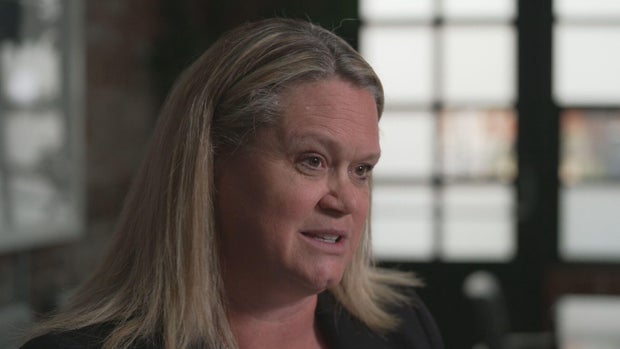
“A person cannot be prosecuted for speech protected by the First Amendment,” Hubbard said. “I don’t discount how Commander Bell subjectively felt, but that’s not why we have the First Amendment, because it doesn’t depend on how you made someone feel.”
Hubbard noted the case marks the first time Colorado’s anti-doxing law has gone to trial and resulted in a conviction.
Similar laws in other states have faced legal challenges.
In August 2025, a federal judge struck down West Virginia’s anti-doxing statute, known as “Daniel’s Law,” ruling it unconstitutional because it punished the publication of truthful information. In Utah, a 2016 anti-doxing bill was withdrawn over concerns it would violate the Constitution.
Denver First Amendment attorney Andy McNulty, who has previously represented Benson, said her actions were protected speech.
“She was not creating a serious, imminent threat. A police commander knows what they’re signing up for,” McNulty said. “They’re signing up for criticism and people not agreeing with them. You have to have a thicker skin if you are in a public-facing position.”
CBS 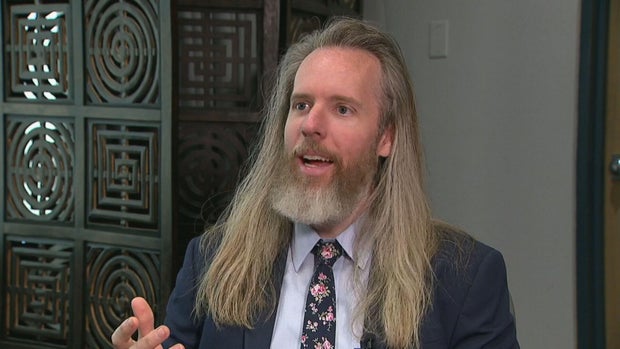
He warned the case could have broader consequences.
“And now to say if you so much as utter a public official’s address and criticize them at the same time, you can be criminalized. It’s going to have a broad, broad chilling effect on people’s First Amendment rights,” McNulty said. “Our public officials are now more emboldened to shut down critics and reject transparency.”
Denver District Attorney John Walsh declined an interview request but said in a written statement, “We vigorously support all Coloradans’ First Amendment expression but, as the jury found, the defendant’s conduct in this case stepped across the line.”
Benson says the verdict won’t change her approach. She plans to continue livestreaming and speaking out against police and public officials prior to her May 8 sentencing.