


Case Explained:This article breaks down the legal background, charges, and implications of Case Explained: Australia PM hails ‘unity and urgency’ as parliament passes gun and hate crime laws after Bondi attack – Legal Perspective
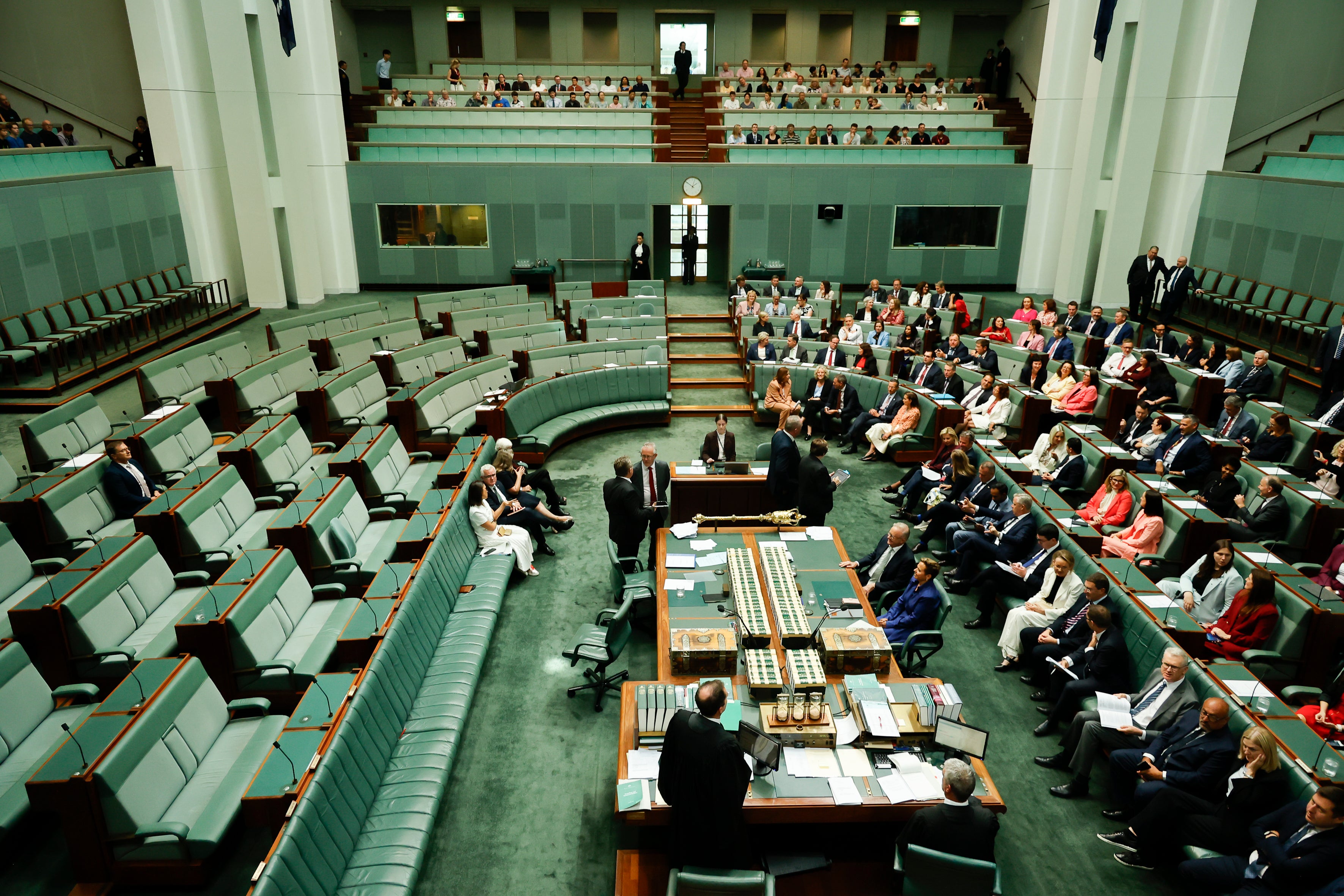
Australian prime minister Anthony Albanese on Wednesday hailed parliament’s passing of tougher anti-hate speech and gun laws in response to the deadly Bondi beach shooting last month.
Both bills were passed in the House of Representatives (lower house) and the Senate (upper house) late on Tuesday at the end of a special two-day sitting.
The gun law was passed to create new restrictions on the ownership of guns and to ensure people who were forced to hand in their firearms were compensated under the new government-funded buyback programme.
The anti-hate speech law was passed to outlaw groups that don’t fit Australia’s definition of a terrorist organisation, such as the Islamist Hizb ut-Tahrir, and introduce tougher penalties for preachers who advocate for violence.
Mr Albanese said the country acted with “urgency and with unity”.
“At Bondi, the terrorists had hate in their hearts, but they had guns in their hands,” Mr Albanese told reporters, referring to the gunmen accused of attacking Jewish worshippers during Hanukkah celebrations at Bondi Beach on 14 December.
“We said we wanted to deal with that with urgency and with unity and we acted to deliver both,” Mr Albanese added.
The government had initially planned a single bill but split the hate speech and gun laws into two legislations and introduced them to the House of Representatives on Tuesday. Both the Liberal-National opposition coalition and the left-wing Greens said they would vote against the bills.
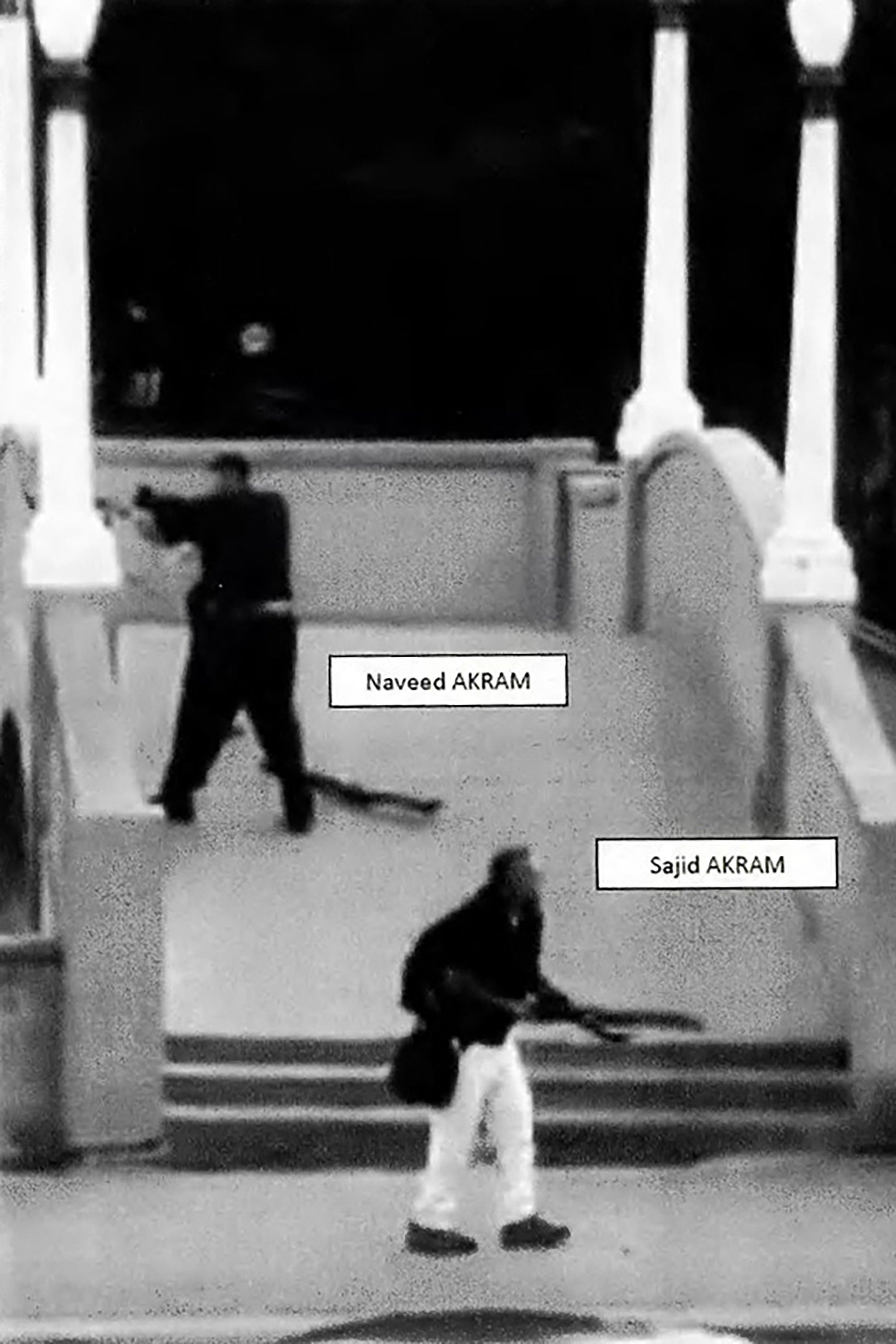
Fifteen people were killed and dozens wounded on 14 December after two gunmen opened fire at a Jewish festival on Bondi Beach in Sydney. The two gunmen, Sajid Akram, 50, and his 24-year-old son Naveed Akram, were identified as a father-son duo who were inspired by Islamic-state group.
While the father was shot dead by police during the attack his son was wounded and has been charged with dozens of offences, including 15 counts of murder and one of committing a terrorist act over the attack.
The buyback scheme was intended to target “surplus and newly restricted firearms”, home affairs minister Tony Burke said earlier on Tuesday.
He claimed the Bondi attackers wouldn’t have been able to legally buy guns if such a law had been in place before the shooting.
“A critical question I’ve often been asked during this debate is, if this national reform package had already been in place, how many firearms would the Bondi gunmen have held? Would it be six? Would it be five? Would it be four? The answer is zero,” Mr Burke said.
The new gun buyback scheme is the largest since a similar programme was instituted following the 1996 Port Arthur massacre in Tasmania, where a lone gunman killed 35 people.
The legislation passed by a vote of 96 to 45 in the House of Representatives, the lower house. It was opposed by the conservative opposition coalition of Liberal and National parties. “This bill reveals the contempt the government has for the million gun owners of Australia,” said shadow attorney general Andrew Wallace. “The prime minister has failed to recognise that guns are tools of trade for so many Australians.”
The Albanese government revealed on Sunday that there were a record 4.1 million firearms in Australia last year. Some 1.1 million were registered in New South Wales, the most populous state and the site of the Bondi attack.
The Bondi attackers held a firearm licence and owned six guns.
The new scheme allows the government to purchase surplus, newly banned and illegal firearms, with costs shared equally with states. The government expects that hundreds of thousands of weapons will be collected and destroyed.
The cabinet has also agreed to a series of new controls, including limits on the number of firearms an individual can own, tighter restrictions on open-ended firearms licences, clearer limits on the types of guns that are legal, and a requirement that licence holders be Australian citizens.
The hate speech laws divided the coalition, with the opposition National Party breaking away from the Liberal Party partners to oppose it, arguing it could impinge on free speech.
“The legislation needs amendments to guarantee greater protections against unintended consequences that limit the rights and freedom of speech of everyday Australians and the Jewish community,” Nationals leader David Littleproud said late Tuesday.
The bill was later passed with 38 votes to 22.
The Australian Security Intelligence Organisation, or ASIO, will decide which hate groups should be outlawed. Neo-Nazi group National Socialist Network has announced plans to disband rather than have its members targeted under the laws.