

Market Update: We break down the business implications, market impact, and expert insights related to Market Update: The K-shaped economy: Why diners are dying but yachts are booming – Full Analysis.
On a sunny February afternoon, Wendy Morales locked up Blue Star Cafe & Pub for the last time. After decades serving oversized omelets, classic bloody marys, and battered french fries, the beloved diner in Seattle’s Wallingford neighborhood closed for good.
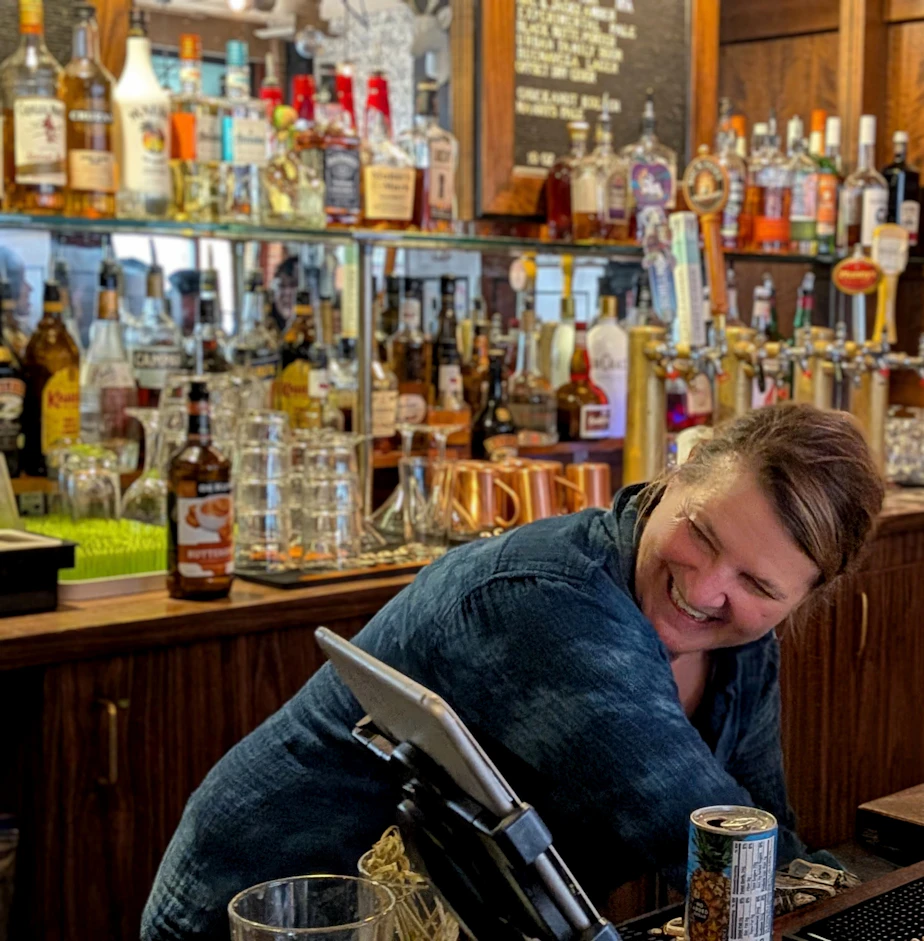

“Our lease is coming to an end,” Morales said. “There really were no options. The expense, I call it the squeeze, is inevitable. It’s something that we can’t really manage. You can only raise your prices so high … with who our clientele is, they’re not eating out, they’re choosing to give up eating out in our category and maybe saving it for a special dinner.”
Blue Star was one of many businesses that cater to middle-class customers cratering under the weight of the affordability crisis. They are casualties of what economists are calling the “K-shaped economy,” a phenomenon in which consumers sort into high- or low-income groups and the middle hollows out.
“ When we look at who’s closing stores across America, it’s generally those aimed at middle-class consumers,” said Brandon Svec, director of retail analytics at CoStar Group, who researches commercial real estate across the country. “Conversely, when we look at who’s the most rapid expanders, who’s opening the most stores, generally we’re seeing them on both ends. Luxury’s doing very, very well and discount, off-price retailers such as a TJ Maxx or a Ross are also doing very well.”
RELATED: Disaster and insurance costs are rising. The middle class is struggling to hang on
It’s a trend playing out across Washington, with middle-market businesses like Eddie Bauer, Blazing Bagels, and Wild Waves announcing closures or bankruptcies.
Declining sales are a driving factor, but not the only headwind this category of companies faces. Rising costs of goods and labor are squeezing middle-class businesses on the other end, too.
“In areas with high living costs, especially along the coast such as a Seattle, with high housing costs and high everyday living costs, we do see consumers trying to make their dollars go further,” Svec said. “It’s definitely going to have a greater impact in our higher-cost urban coastal environments, especially because of the cost of housing.”
RELATED: Austin built a lot of housing fast. Rents fell. What could Seattle learn?
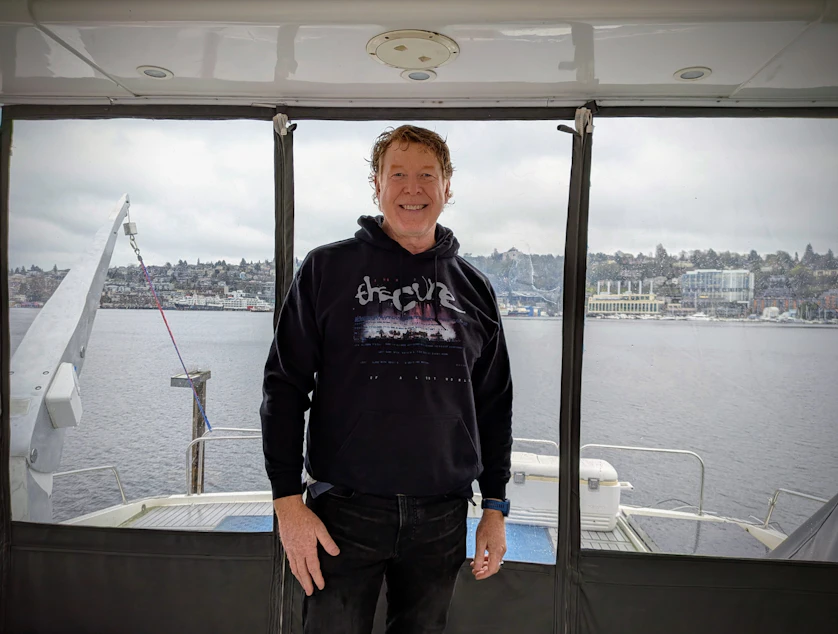
Businesses that cater to wealthy customers are insulated from those challenges. Oasis Luxury Yacht Charters has been profitable since Greg Holloway bought the 70-foot, 1,800-square-foot boat early on in the pandemic. Charters start at $1,000 an hour, more when customers want to sail-gate a big Husky game.
“ You get corporate charters, you get personal charters,” Holloway said. “We’ve done quite a few Seahawks players and Mariners players.”
Those types of customers account for an increasingly large share of consumer spending. The top 10% of earners now accounts for almost half of consumer spending in the U.S. according to a report from Moody’s. It’s a historic high.
Meanwhile, discounters like Dollar General are aggressively opening new stores and adding higher income customers seeking the best deals.
The post-WWII middle-class heyday saw the rise some of the most quintessentially American businesses: diners serving apple pie and bottomless coffee, Sears selling a washing machine to every family. But since the 1970s and 1980s, the middle-class customer base that powered that economy has been shrinking. The collapse of unions, rise of globalization, and shifting tax policy that favored the rich all contributed to the decline of the middle class.
RELATED: Federal work shaped a Black middle class. Now it’s destabilized by Trump’s job cuts
That pressure on the middle-class economy has increased sharply in recent years, as households with investments in the stock market and real estate saw record gains, while rising costs for essentials pummeled everyone else. Recent tax cuts that favor high-income households and corporations made the trend even more acute.
Still, some argue that the K-shaped economy is a sign of progress, because more families are moving up the economic ladder. And it’s true, the share of American families in the upper-income bracket has increased, according to Pew Research. But so has the share of households in the low-income bracket. The risk of that kind of bifurcation is it least to more fragility in the economy, according to Svec.
“It makes our economy more vulnerable in a couple of ways,” he said. “First and foremost, with reduced savings, our lower- and middle-income consumers are more sensitive to job losses or any type of economic disruption in their life … On the other end, we see an economy that’s much more susceptible to swings in real asset markets. If we recognize that the wealth effect is to help propel so much spending amongst our upper-income households, then certainly we would have to recognize that a downturn in the stock market, in real asset markets, would have an inverse effect. I think it leaves us really exposed on both ends.”