


Breaking Update: Here’s a clear explanation of the latest developments related to Breaking News:What happens to cholesterol when you eat cheese instead of butter? Good news for heart health this holiday season– What Just Happened and why it matters right now.
Cheese boards may headline every holiday party but for years many people have worried that their saturated fat content spells bad news for cholesterol and heart health. Yet emerging research and expert voices suggest that the story is far more nuanced as not all cheeses raise “bad” cholesterol (LDL) equally and some types, when eaten in moderation as part of a balanced diet, might even be linked with neutral or beneficial cardiovascular outcomes.
How cheese affects cholesterol differently than butter
A key finding in nutrition research is that cheese does not act like other high-fat foods such as butter, even when both have similar amounts of saturated fat. According to a 2011 study published in The American Journal of Clinical Nutrition, “Cheese intake did not increase serum total or LDL-cholesterol concentrations compared with the run-in period… and resulted in lower serum total, LDL- and HDL-cholesterol concentrations compared with the butter period.”This means that since cheese is rich in calcium and protein and has a unique food matrix, it may reduce the rise in LDL that would be expected from equivalent amounts of saturated fat in butter. This helps explain why some cheeses raise cholesterol less than people assume.

The Cheese Myth, Debunked: What Studies Really Say About Heart Health
Systematic reviews suggest that cheese lowers LDL compared with butter. When scientists look across multiple clinical trials, they find a consistent pattern. A 2015 study in Nutrition Reviews found, “Compared with butter intake, cheese intake reduced low-density lipoprotein cholesterol (LDL-C) … despite similar saturated fat profiles.”This meta-analysis of randomised controlled trials suggests that cheese’s dairy matrix, the combination of nutrients and how they interact, may result in more favourable effects on LDL cholesterol than an equivalent amount of fat from butter. Beyond controlled feeding trials, large population-level analyses also find that cheese consumption is not strongly linked with worse heart outcomes; in some cases, higher cheese intake is associated with lower cardiovascular risk.
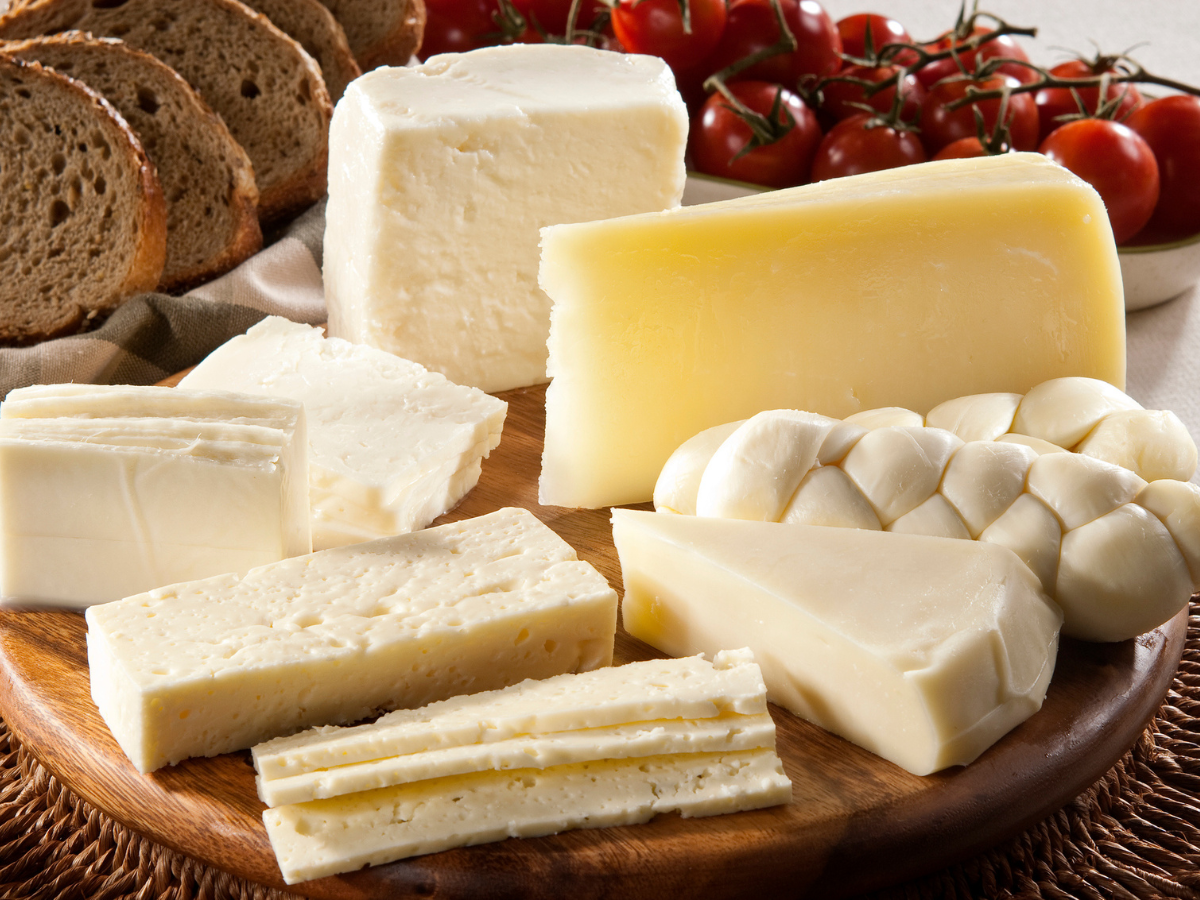
Is Your Holiday Cheese Board Actually Good for Your Heart? The Science Might Surprise You
A 2022 study in PubMed/Genetic Epidemiology established, “Cheese intake per standard deviation increase causally reduced the risks of coronary heart disease, heart failure, hypertension, and ischemic stroke.” This genetic analysis, which used DNA variants to help infer causal effects, found that greater cheese intake was linked with lower risk of several cardiovascular conditions, including coronary heart disease and hypertension, suggesting a protective or neutral role when cheese is included in the diet.
What this means for your holiday cheese board
Experts note that cheese’s nutritional structure with its protein, calcium, fermentation compounds and fat matrix, means that it does not influence cholesterol in the same way as isolated fats like butter. Here’s how science aligns with those insights:
- Cheese Choices That Fit Heart-Healthy Eating – Fermented and aged cheeses such as Swiss, Gouda, feta and blue cheese contain beneficial compounds and have been linked with neutral or positive heart outcomes. Studies reveal that lower-sodium and lower-fat options like part-skim mozzarella, 2% cottage cheese, reduced-fat feta and ricotta balance flavour with less saturated fat. Portion control, about 1–1.5 ounces per serving, helps keep saturated fat and calorie intake in check while still letting you enjoy favourites.
- Context From Population Evidence – Large cohort and genetic studies suggest that regular cheese consumption is not associated with higher cardiovascular risk and may even be protective when it is part of an overall balanced diet.
- Balance Is the Key – While cheese contains saturated fat, its different effects compared with other fats (as shown in randomized trials) and neutral or inverse associations with cardiovascular disease in large studies suggest that moderate cheese intake can fit into a heart-healthy eating pattern, especially when balanced with whole grains, fruits, vegetables, nuts and legumes.
Bottom line
Scientific evidence increasingly shows that cheese is not universally “bad” for heart health. Controlled trials find that cheese raises LDL cholesterol less than butter despite similar fat content, systematic reviews confirm this trend across studies and genetic epidemiology suggests that greater cheese intake may be linked with lower risk of heart disease and hypertension.As with any food, portion control and mindful choice of varieties matter but enjoying cheese as part of a balanced diet does not mean sacrificing heart health, even during indulgent holiday seasons, or so the studies suggest.Note: The information provided in this article is for educational purposes only and is not intended as medical advice. Always consult with a qualified healthcare professional before starting any new medication or treatment and before changing your diet or supplement regimen.