

Breaking Update: Here’s a clear explanation of the latest developments related to Breaking News:Rising roadside eateries in Chennai raise health concerns – News Today– What Just Happened and why it matters right now.
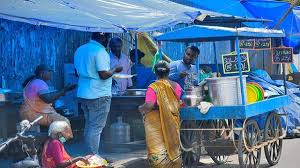 The growing popularity of roadside eateries across Chennai has brought convenience for many, but health experts and residents are increasingly warning that these establishments could pose serious public health risks if left unregulated.
Suburban areas such as T. Nagar, Kodambakkam, Anna Nagar, Velachery, Tambaram, and Porur have seen a surge in makeshift food stalls serving fast food, snacks, and beverages, often without proper hygiene or food safety measures.
“People are attracted by cheap and quick food, but most of these stalls do not follow basic hygiene standards,” said Dr. R. Karthikeyan, a food safety specialist. “Utensils are not cleaned properly, food is exposed to dust and flies, and water used for preparation is often unsafe. These conditions can lead to foodborne illnesses.”
Residents have also voiced concerns about the rise in mosquito breeding and garbage accumulation near these stalls. “The area outside my apartment is constantly littered with leftover food and plastic waste,” said Meena Raj, a resident of Velachery. “It not only smells bad but also attracts rodents and increases the risk of diseases like dengue and gastroenteritis.”
Traffic and pedestrian safety is another worry. “Many stalls are set up on footpaths or near busy roads, forcing pedestrians onto the streets and causing congestion,” said Suresh Kumar, a daily commuter in Tambaram. “Accidents can happen if people are dodging both traffic and food vendors.”
Municipal authorities acknowledge the challenge but point out the need for proper regulation. “We conduct periodic inspections and issue notices to vendors operating without permits,” said a Chennai Corporation official. “However, enforcement is difficult because many stalls operate temporarily or shift locations frequently.”
Public health activists are urging stricter regulation, regular inspections, and public awareness campaigns. “Street food can be safe if vendors follow hygiene protocols and have access to clean water and waste disposal,” said G. Prabhakaran, a city-based health activist. “Otherwise, it’s a ticking time bomb for public health.”
With Chennai’s urban population increasing and the demand for affordable street food rising, experts stress that coordinated action between civic authorities, health departments, and vendors is essential to prevent food-related illnesses while allowing residents to enjoy the convenience of roadside eateries.