

Tech Explained: Here’s a simplified explanation of the latest technology update around Tech Explained: In the U.S., the replacement of radiologists with algorithms is being discussed in Simple Termsand what it means for users..
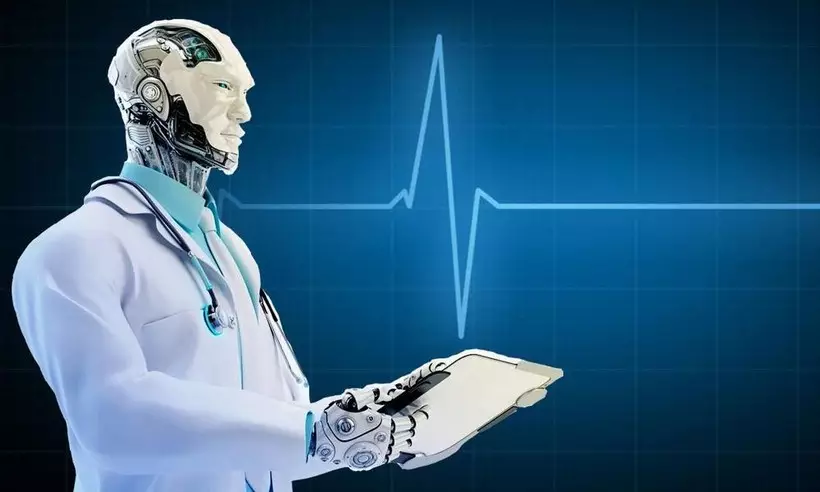
The head of New York City’s largest municipal healthcare system stated that artificial intelligence is already ready to take on part of radiologists’ work. In his view, the main obstacle to implementation is not technology, but regulatory limitations.
This refers to NYC Health + Hospitals, which comprises 11 hospitals. Its director, Mitchell Katz, believes that the transition to new diagnostic approaches could begin soon — as soon as regulations are updated.
Algorithms in the initial stage of diagnosis
Modern AI systems are already actively used to analyze medical images, particularly mammograms and X-rays.
The proposed model envisions algorithms performing the initial assessment of scans. Physicians intervene only when the system detects suspicious anomalies. This workflow is expected to speed up processes and reduce the workload on specialists.
The economic argument
A key driver of interest in AI remains costs. Employing qualified radiologists is increasingly expensive for medical institutions, whereas automation allows for budget optimization.
Moreover, access to diagnostics is expanded: more patients can undergo examinations without increasing the burden on the healthcare system.
Results from practical implementation
Some healthcare networks are already testing such solutions. According to industry representatives, AI accuracy in image analysis is quite high.
It is noted that for negative results, the likelihood of error is extremely low, and the systems show consistent performance in detecting oncological conditions.
Concerns from the professional community
However, not everyone shares this optimism. Many specialists believe it is premature to delegate key diagnostic functions entirely to algorithms.
Criticism mainly centers on the fact that AI cannot account for the full clinical context and may make mistakes in complex cases. Some physicians also worry that the drive to cut costs could negatively affect the quality of care.
Balancing technology and responsibility
The discussion around the role of AI in medicine continues to gain momentum. On one hand, there are efficiency, speed, and cost savings. On the other, safety and trust in technology remain critical.
It is clear that fully replacing specialists in the near future is unlikely, but the gradual redistribution of tasks between humans and algorithms is already becoming a new reality.
Don’t miss interesting news
Subscribe to our channels and read announcements of high-tech news, tes