

Health Update: Health Update: RFK Jr. takes action on microplastics, PFAS in water. What to know. – What Experts Say– What Experts Say.

Doctors are entering politics over Trump health policies
Why some doctors say they felt a “moral call” to run for office
The Department of Health and Human Services and the U.S. Environmental Protection Agency announced April 2 that the Trump administration is cracking down on contaminants in the nation’s drinking water, which includes taking a closer look at microplastics.
For the first time, microplastics and pharmaceuticals will be added to the EPA’s contaminant list, joining two other existing groups: PFAS (also known as “forever chemicals”) and disinfection byproducts.
The EPA’s draft Sixth Contaminant Candidate List, or CCL 6, will also include 75 chemicals and nine microbes that may be found in drinking water.
The drinking water CCL is a list of contaminants found in public water systems that are currently not subject to any national regulations, according to the EPA’s website. Contaminants listed on the CCL may require future regulation under the Safe Drinking Water Act, or SDWA.
This is the first time in the program’s history that the EPA is designating both microplastics and pharmaceuticals as priority contaminant groups, according to a news release, calling it a “direct response to the concerns of millions of Americans who have long demanded answers about what they and their families are drinking every day.”
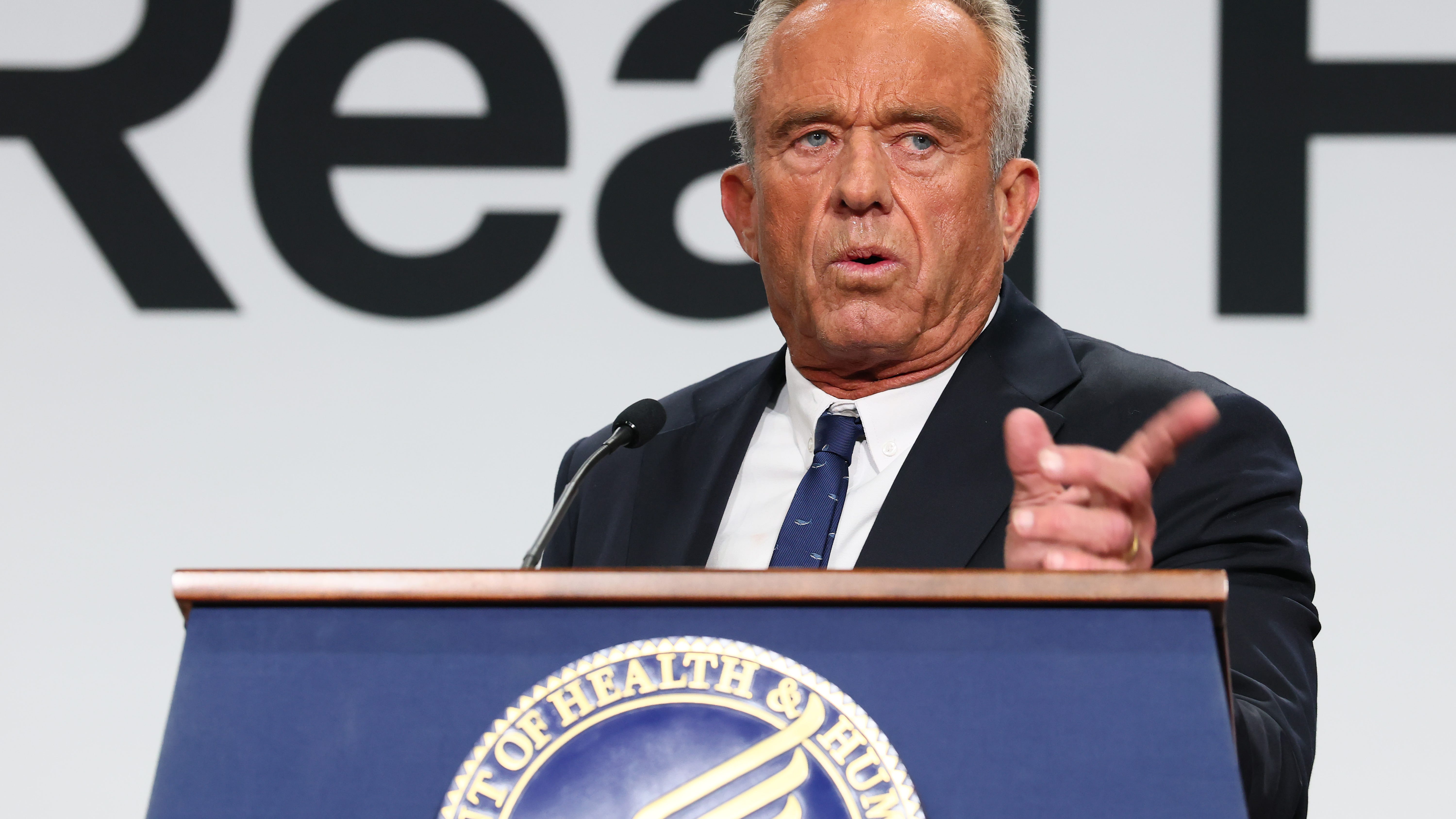
In opening remarks at an event to announce the news, Stefanie Spear, the HSS’s principal deputy chief of staff, called microplastics “one of the most pervasive and least understood environmental health challenges we face.”
Kennedy said we “do not have clear answers about causation or solutions,” nor do we have “validated methods to remove them safely.”
To address this, the health secretary announced the launch of STOMP, or the “systematic targeting of microplastics” program.
He said the $144 million national program will aim to “measure, understand and to remove microplastics from the human body.”
Previously, HHS Secretary Robert F. Kennedy Jr. has taken aim at fluoride in drinking water, citing unconfirmed health concerns including arthritis, cancer and IQ loss. Medical organizations like the American Dental Association criticized the move in certain states to ban the mineral, which helps prevent cavities and strengthens teeth.
The announcement of the drafted list isn’t groundbreaking. As Julian Fairey, an environmental engineer and associate professor at the University of Arkansas, points out, this is something that happens every few years.
“This is just part of what EPA is mandated to do every five years, they release a contaminant list,” Fairey said.
Without a full list of the contaminants, it’s difficult to comment, Fairey added, but said he’s “not surprised to see” the latest additions − microplastics and pharmaceuticals − on the list.
“Pharmaceuticals is a pretty broad class. There’s been concerns about those for 20, 30 years. Microplastics is more recent, certainly within the last decade, so I know these are hot topics for other researchers,” he said, though he doesn’t work closely with either group.
What are microplastics in water?
Microplasticsare “tiny plastic particles that have been detected in human blood, breast milk and organs,” according to the HHS and EPA. These tiny pieces of plastic are also found in the environment, including the air, water and soil.
By adding microplastics to the CCL as a contaminant group, the agencies aim to unlock “focused research and potential future regulation,” the release adds.
Potential hazards associated with microplastics come in three forms: from the particles themselves, the chemicals that make them up and “microorganisms that may attach and colonize on microplastics, known as biofilms,” the World Health Organization previously said.
Research has found microplastics present in tap water, but far less than in bottled water.
A 2024 study in Proceedings of the National Academy of Sciences found bottled water contains far more pieces of plastic than previously estimated, with the average liter of bottled water containing around 240,000 detectable plastic fragments.
A study last year found that chemicals in plastics were potentially associated with as many as 350,000 heart disease deaths globally in 2018. Some research has also looked at whether microplastics cause cancer, but the American Cancer Society says more evidence is needed.
What are pharmaceuticals in water?
HHS and EPA say pharmaceuticals include “antidepressants, hormones, antibiotics and other drugs that enter water systems through human waste and improper disposal.”