

Tech Explained: Here’s a simplified explanation of the latest technology update around Tech Explained: AI spotted a woman’s cancer before any human eye could detect it and doctors say the technology could improve detection by more than 10 percent in Simple Termsand what it means for users..
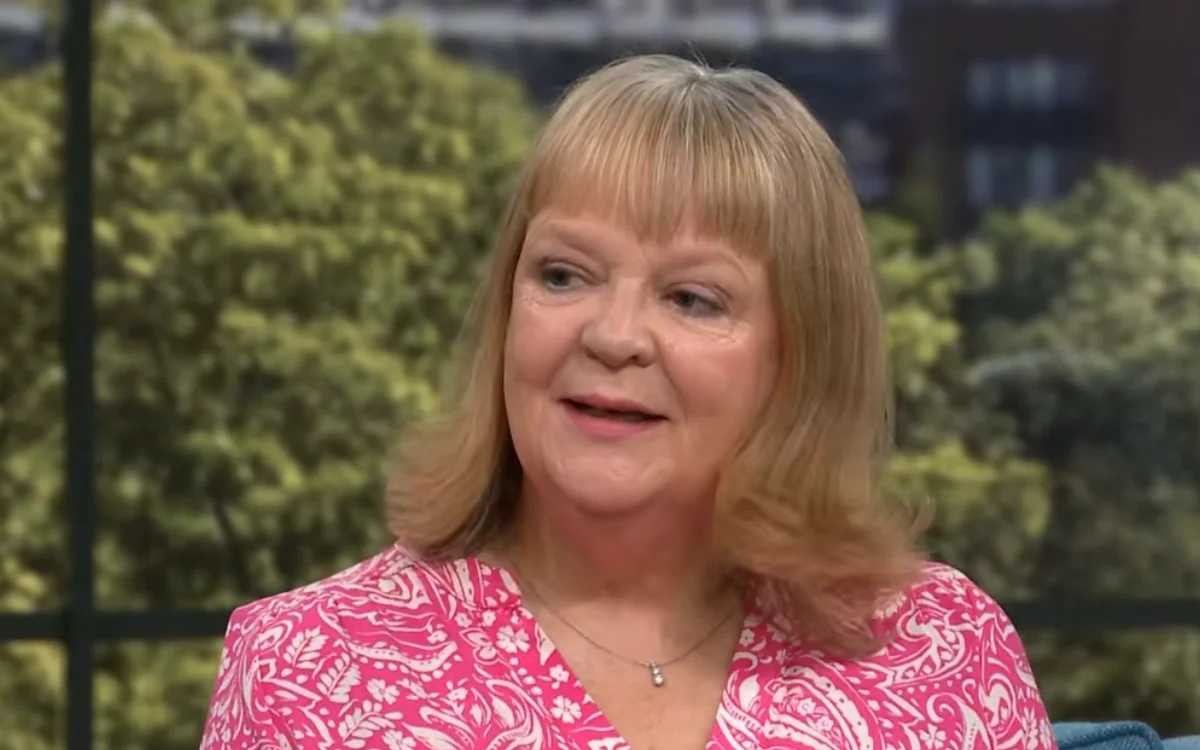
A woman’s cancer was spotted early thanks to new AI technology that doctors say could improve detection by more than 10 percent.
In the last few years, AI use has exploded with millions of people using chatbots, like Claude and ChatGPT.
However, AI is also proving itself to be an incredible tool when it comes to medicine.
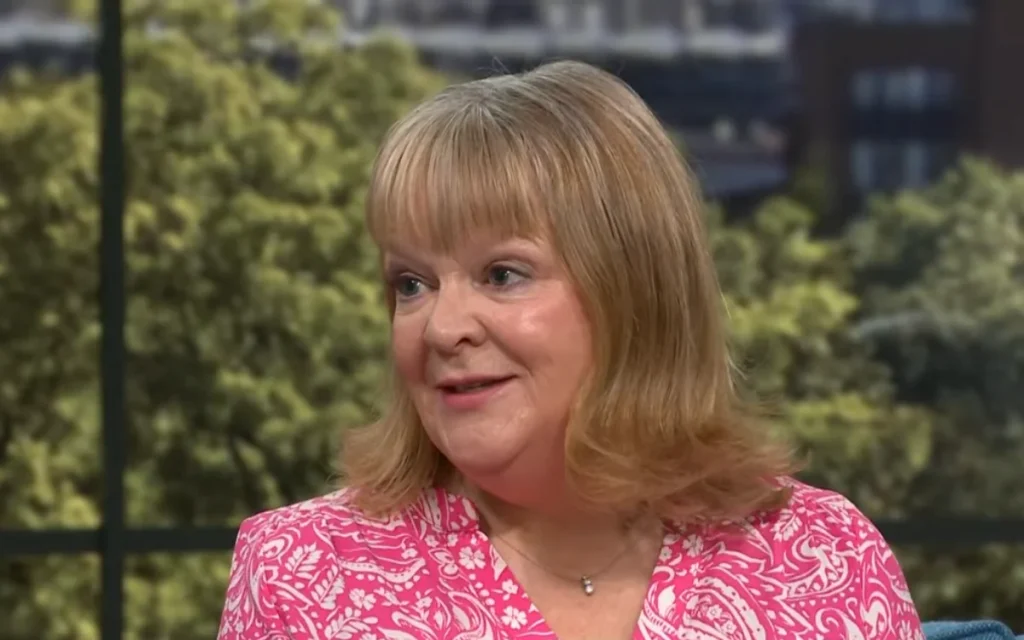
And British woman Yvonne Cook is one person who can attest to that, after a new AI system detected her breast cancer early, while it was ‘too small to be detected by the human eye’.
AI spotted the cancer when it was ‘too small to be detected by the human eye’
Noble Prize winner Geoffry Hinton, dubbed ‘the Godfather of AI’, has previously said that he believes healthcare could be one of the big winners of AI.
And it seems as though he could be right.
A new study from the UK has found that an AI tool called Mia, developed by medical technology company Kheiron, can improve breast cancer detection by 10.4 percent.
The study found that Mia is able to flag small and hard-to-spot area of concerns on mammogram scans, that could otherwise be missed by a human.
Cook, from Aberdeen, was one such patient.
She went along for a routine mammogram in 2023 and while waiting to go in, saw a sign explaining that the clinic was running an optional project using AI to review mammograms.
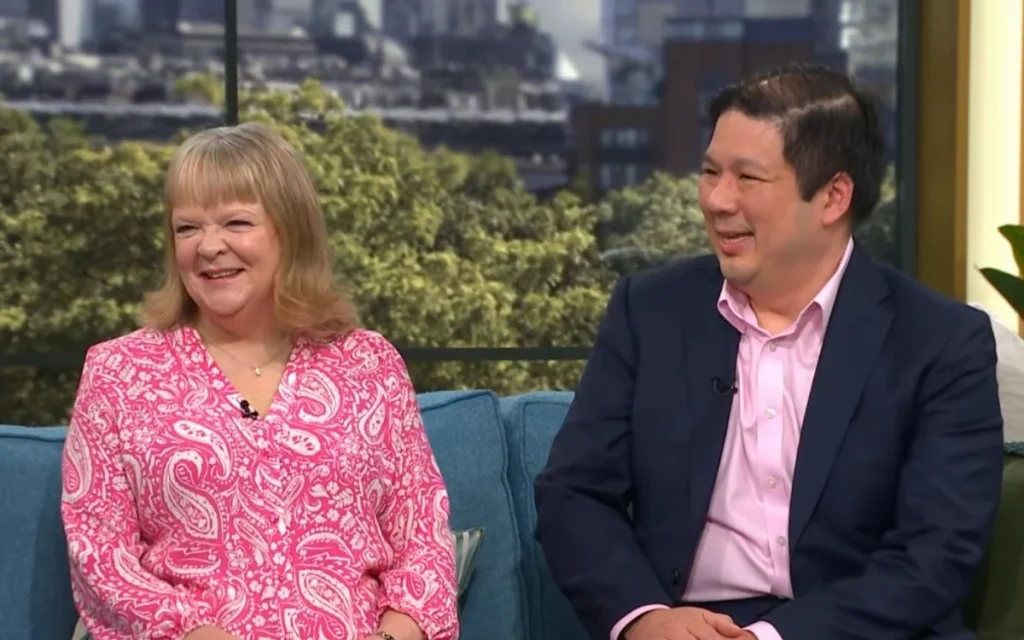
During an appearance on This Morning, Cook explained that it didn’t cross her mind to opt out as she believes it’s ‘always good to take part in medical research programs, if you can’.
After her appointment, she was sent a recall letter froom the clinic and went along to an appointmet with Professor Gerald Lip, clinical director for breast screening in the north east of Scotland.
He told her more about the study and explained that the AI technology had found something that ‘couldn’t be detected by the human eye’ and a second scan confirmed it was a small grade two tumor.
Fortunately, as it was spotted at a ‘very early stage’, Cook was given medication to inhibit the tumors growth and then surgery.
“Overwhelmingly, I just felt incredibly lucky that I was part of the research program and that it had been picked up at this early stage,” she told the BBC.
It can also reduce the workload for doctors
“The bottom line here is without AI, doctors would not have caught these cancers as early,” Prof Lip told the BBC.
And as well as potentially saving lives, Prof Lip said the results of the study showed that AI technology could be used to ‘effectively support’ cancer services.
The study’s authors concluded that the primary AI workflow could reduce workload by up 31 percent.
“Other workflow variations significantly improved all measured metrics (superiority in cancer detection rate, recall rate, positive predictive value (PPV), sensitivity and specificity) with up to 36 percent workload savings,” the report said.
“These AI implementation strategies could deliver clinical and operational benefits with trade-offs that can accommodate local requirements and priorities.”
DISCOVER SBX CARS:
The global premium car auction platform powered by Supercar Blondie
Follow topics and authors from this story to see more like this in your personalised homepage feed and to receive email updates.