


Health Update: Health Update: Luxury Wellness Has Entered a New Holistic, Outcomes-Oriented Phase – What Experts Say– What Experts Say.
What global luxury resorts are getting right as wellness moves from indulgence to infrastructure.
Indulgent experiences and elevated amenities no longer define luxury wellness. The category has entered a new phase — one shaped by execution, expertise and integration.
Across the world’s most advanced resorts, wellness is shifting in four fundamental ways:
- From amenity to operating system
- From indulgence to measurable outcomes
- From aesthetics to expertise
- From siloed offerings to fully integrated ecosystems
What’s striking isn’t just the direction of change — it’s the consistency of it.
These conclusions are coming from operators in vastly different markets, serving different guest profiles, operating at different scales, and approaching wellness through entirely different lenses.
From performance-driven private clubs in the Bahamas to urban wellness hotels in Dubai, from nature-immersed eco-resorts in Costa Rica to legacy wellness institutions in the United States, each of these properties is saying the same thing in a different language: wellness no longer works as an add-on. It only works when it becomes the system.
From Amenity to Operating System
For decades, fitness and wellness lived at the edges of luxury. Today, they sit at the center of the guest experience.
“Luxury wellness today is no longer about square footage or equipment, it’s about coherence,” says Abdoulaye Fadiga, Founder of Champion Spirit Country Club. “A truly holistic experience brings movement, recovery, nutrition, sleep, mental clarity, nature and human connection into one integrated ecosystem.”
That idea of coherence has become the defining principle of modern luxury wellness. Guests no longer want best-in-class services delivered in isolation. They want systems that connect and support healthier daily habits.
At SIRO, that philosophy shapes the entire property. “Holistic wellness is not a single space or service,” says Mattheos Georgiou, Senior Vice President of SIRO and Rare Finds. “It’s a fully integrated ecosystem that supports physical and mental performance at every stage of the guest journey.”
Sleep optimization is built into guest rooms. Nutrition is personalized through in-house specialists. Training, recovery and mindfulness are intentionally linked. The result is not more offerings but fewer gaps and disconnects.
“This level of integration, where wellness is seamless, measurable and deeply personalized, is what defines a truly holistic experience today,” Georgiou says.
From Indulgence to Measurable Outcomes
As wellness becomes central to luxury travel, guest expectations have shifted accordingly.
“Over the past few years, demand has moved from aesthetics to function,” Fadiga says. “From looking good to feeling energized, resilient and mentally sharp for the long term.”
High-net-worth travelers now arrive informed, fluent in concepts like VO₂ max, recovery optimization and longevity biomarkers. They’re no longer interested in fleeting spa moments. They want results they can feel.
“At this level, people understand that their most valuable asset isn’t their portfolio, it’s their healthspan,” Fadiga says. “They’re asking how to maintain cognitive performance, metabolic health and functional longevity well into later life.”
That mindset has pushed luxury wellness away from indulgence and toward structure. Champion Spirit now offers programs ranging from short resets to longer-term transformation protocols that integrate diagnostics, training, supplementation and biometric monitoring.
At Canyon Ranch, that outcomes-driven model has been core to the brand for decades. “Wellness isn’t an add-on for us, it’s our business model,” says Mark Rivers, CEO. “From staffing to programming, this is what we do every day.”
Their Longevity8 program — a four-night retreat involving testing across more than 200 biomarkers and extensive one-on-one expert sessions — routinely sells out. The demand indicates a broader shift: luxury guests are prioritizing credibility and measurable impact over indulgence.
From Aesthetics to Expertise
Design still matters in luxury wellness, but it no longer carries the experience on its own. Expertise does.
Across every interview, staffing and education emerged as the most significant constraints on growth.
“The biggest challenges aren’t technical, they’re human,” Fadiga says. “Finding qualified talent, aligning medical practitioners and coaches, educating clients and maintaining operational discipline all matter.”
At Rio Perdido, those challenges are amplified by geography. Located deep within a tropical dry forest of Costa Rica, the property’s remoteness enhances the guest experience but complicates recruitment.
“Our seclusion is one of our greatest assets, and it’s our greatest challenge,” says General Manager Randy Rockbrand. “Attracting highly specialized wellness professionals requires us to invest heavily in training, stability and long-term development.”
That investment builds trust, something guests increasingly expect. In a market crowded with wellness messaging, credibility has become a differentiator.
“There’s a lot of wellness noise right now,” Rivers says. “Authority, authenticity, depth of expertise and true human connection are what will separate leaders from followers.”
In this next phase of luxury wellness, education isn’t a support function, it’s a non-negotiable.
From Siloed Offerings to Integrated Ecosystems
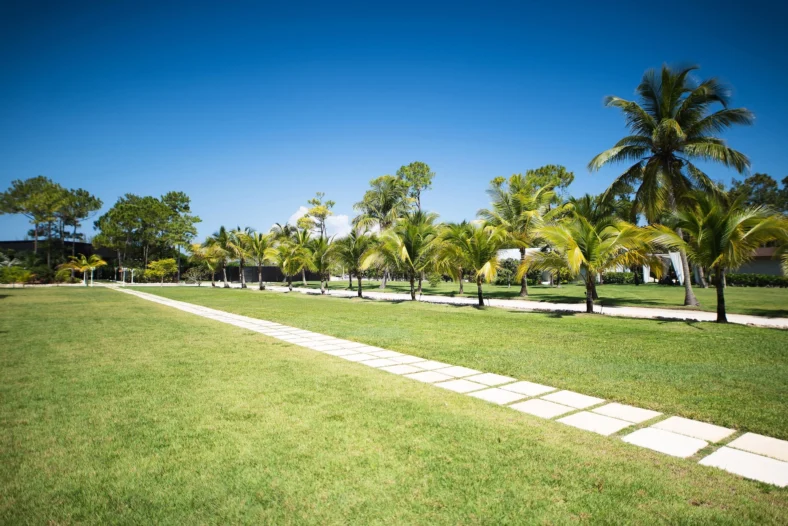
Perhaps the most visible shift is the collapse of silos.
“At Rio Perdido, everything must make sense as part of one cohesive journey,” Rockbrand says. “Even the crops we grow in our organic garden are chosen to align with the guest experience.”
Fitness, food, spa, design and nature are no longer separate departments competing for attention. They’re part of a single system designed to reduce friction and encourage wellbeing without effort.
SIRO anticipates a similar evolution globally, particularly through deeper integration with nature. “We see a strong return to outdoor experiences,” Georgiou says, pointing to cycling, hiking and exploration layered into SIRO destinations.
The common thread isn’t rustic simplicity or high-tech spectacle. It’s intentional design. Environments that make healthy behavior feel natural, supported and repeatable.
Execution Is the Competitive Advantage
Looking ahead, none of these operators believes success will come from technology or trends alone.
“AI and diagnostics will become more common,” Fadiga says. “But what will matter is execution. The ability to turn data into daily habits and blend science seamlessly into lifestyle.”
Rivers frames the future similarly. “As people work through the noise and perceived shortcuts, they’ll find their way back to places where human expertise, science and caring service matter most.”
Luxury wellness hasn’t become simpler. It has become more disciplined, more integrated and more demanding to execute well.
For operators willing to treat wellness not as an amenity, but as an operating system, the opportunity is clear: build environments people don’t just visit, but trust, return to and invest in as part of their lives.