


Market Update: We break down the business implications, market impact, and expert insights related to Market Update: On The Record | Technical colleges, free bank payments – CEOs on how to create jobs – Full Analysis.
The first panel of News24’s On the Record summit has yielded a raft of proposals to jump-start job creation – including reviving technical colleges and making all bank payments free.
The two-day summit in Cape Town will feature international and local experts on how to solve SA’s unemployment crisis. President Cyril Ramaphosa will address the event later on Thursday.
Follow News24’s On the Record 2026 live
Bidvest Group CEO Mpumi Madisa proposed bringing back the former technical colleges, most of which were closed over the past 25 years. They were consolidated into more centralised technical and vocational education and training (TVET) institutions, which critics believe have been underfunded and poorly managed, while not producing the same practical skills as their predecessors.
Madisa said the colleges need to be free and should equip students with skills that will allow them to start a business or enter a corporate workspace.
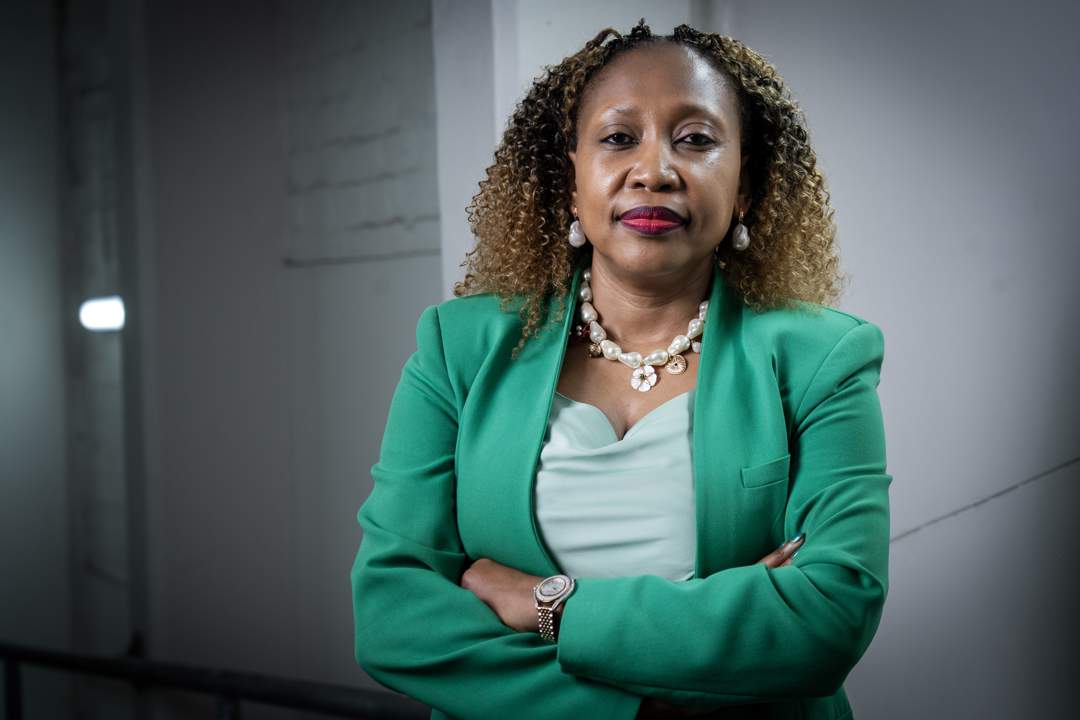
Bidvest Group CEO Mpumi Madisa ahead of the panel on Thursday in Cape Town.
She added that businesses must set targets for creating entry-level jobs for workers below the age of 35. As the second-largest private-sector employer in South Africa, Bidvest has 135 000 workers across 250 businesses in various sectors (including freight and business goods and services) in 14 countries.
Importantly, companies must have proper onboarding in place to teach them skills, including the importance of time management, discipline, how their performance will be assessed and how to report back, Madisa added.
Instead of throwing new recruits into the deep end, this will “create people for the future, regardless of the skill that you’re going to give them; you’re teaching them discipline”.
She also encouraged unemployed South Africans to take whatever work they can get to get a foot in the door.
My first job was the girl on the corner at a traffic light, handing out pamphlets. I’ve been a teller. I’ve packed. I’ve done stocktaking. There can never be any job that is below you; that can never be.
Mpumi Madisa, Bidvest CEO
Asked by panel moderator Bruce Whitfield how he would tackle unemployment if he became president, GoTyme Bank CEO Cheslyn Jacobs said he would immediately make all payments instant and free, which would “remove absolutely any barrier to anybody in the country”.

GoTyme Bank CEO Cheslyn Jacobs on Thursday.
Jacobs said this would enable township businesses to accept bank card and digital payments that would build up transaction records, eventually allowing them to access credit to buy wealth-generating assets.
“The reality is that in South Africa today, we’ve got 16 million South Africans who have no credit profile and therefore can’t access any capital. But they’ve got no credit profile because they’ve got no ability to transact. The barriers are too high.
“It’s impossible to build wealth in South Africa if you can’t acquire assets.”
Adrian Saville, professor of economics, finance, and strategy at the Gordon Institute of Business Science (GIBS), said the solution to creating more jobs in South Africa doesn’t sit in the obvious place: growing the economy.
He pointed out that SA’s employment elasticity – which measures how much employment changes when the economy grows – is zero. This means that, over the past twenty years, when the economy grows by 1%, there has been 0% growth in jobs.
Saville believes SA has “chosen” unemployment with unnecessary governance and compliance regulations that make it difficult to start ventures. He added that established businesses must also do more to encourage entrepreneurs.
“The single biggest gift a big business can give you is a route to the market.”
Jacobs argued that large corporates have “become so obsessed about protecting what we’ve already got, and we’ve lost sight of saying: ‘how the hell do we actually grow this?’
“As executives, our obsession about market share and the actual number is just bad economics.
It’s bad maths because 10% of 100 is smaller than 9% of 200.
Cheslyn Jacobs, GoTyme Bank CEO
It’s essential to break out of this mode of thinking, Jacobs said.
“So just as a collective, what we should be thinking about is how we actually grow the pie, not how we defend the piece we currently own.”
Saville’s research of 160 countries over the past two decades shows that all countries that have moved from poverty to prosperity have had elevated savings and investment rates of at least 25% of GDP.
“So we have to get into the business of moving our very subdued, suppressed savings and investment rate of 15% of GDP – where we’ve been for 15 years – up to the necessary 25%.”
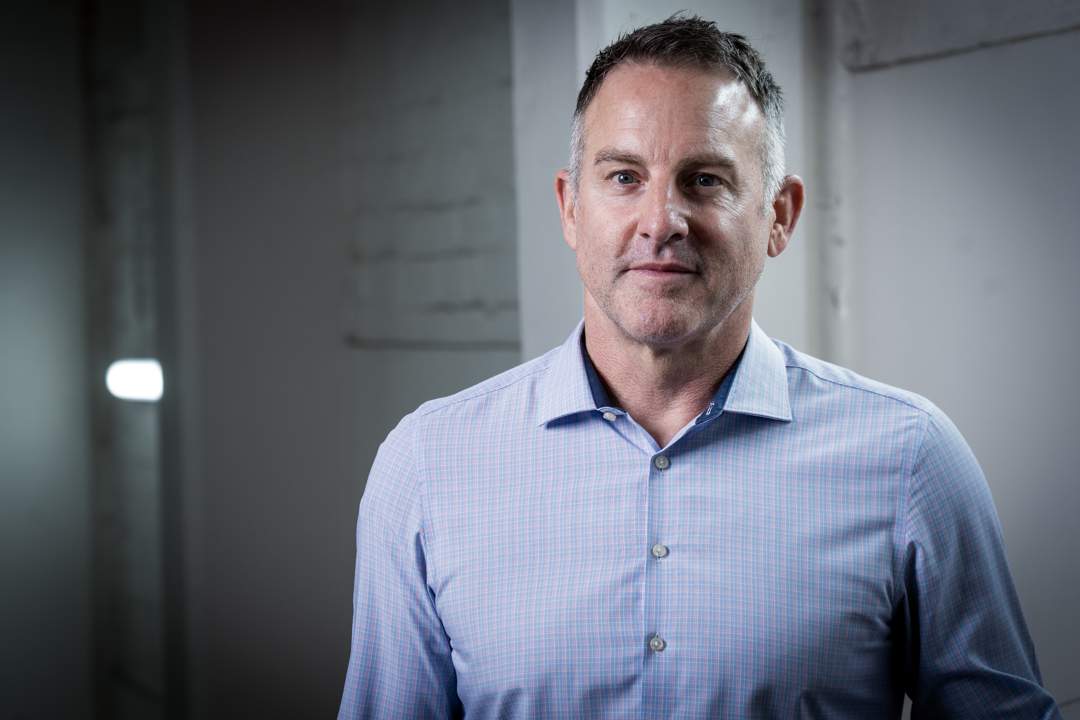
Economist Adrian Saville.
His research also shows that ramping up industrial output is pivotal to eventual economic prosperity.
“In 1980, 45% of our economy was production – mining and manufacturing. Today, that number is 15%. We need to think very soberly about how we achieve that.”
SA will also have to fix its woeful outcomes in maths education to achieve long-term success.
“I hear again and again [that] education is the critical ingredient, but I want to be more exact about this. Education with mathematical literacy, that is the nub.”
Earlier, News24 editor-in-chief Adriaan Basson started the summit by saying that unemployment is South Africa’s biggest challenge.
We shouldn’t be afraid to radically reconsider things we’ve taken for granted over the last few years. We hope that this is the start of a process that can snowball over the next decade to create the jobs we need.
Adriaan Basson, News24 editor-in-chief
Other panellists and presenters at the News24 summit include Busisiwe Mavuso, CEO of Business Leadership South Africa; Andy Mothibi, National Director of Public Prosecutions; Dean Macpherson, Minister of Public Works and Infrastructure; Hendrik du Toit, founder and CEO of Ninety One; Dr Keyu Jin, author of The New China Playbook; Dr Montek Ahluwalia, former deputy chairperson of the Planning Commission of India; Zuko Godlimpi, Deputy Minister of Trade, Industry and Competition; Rudi Dicks, Head of the Project Management Office in the Private Office of the President; Tsakani Maluleke, Auditor-General of South Africa; and Zingiswa Losi, Cosatu president.
The event ends on Friday.