


Match Highlights: A detailed look at the key moments, performances, and results related to Match Highlights: Cricket’s summer subservience to football is 65 years old… but that does not make it right – Key Moments..
JAMIE CRAWLEY: A county game being cancelled, after a 72-hour U-turn no less, could just be the time to reach for the cyanide. The truth is though that, while it seems like cricket now exists entirely at football’s permission, this is old news
England’s summer football creep began in 1954
Several years ago I read an intriguing article by Jonathan Wilson examining when football first overtook cricket as England’s national sport.
There are times where this is magnified a little too clearly for cricket lovers’ liking. And this is one of them. Just this weekend, club cricket committees scrambled to find ways of fitting a World Cup quarter-final sized gap into matches. Not without complaint either.
Now it’s county cricket that has conceded to It’s Coming Home fever, Yorkshire postponing their T20 Blast game with Derbyshire to avoid a tussle with England’s semi-final against Croatia.
Last Friday – 24 hours before Gareth Southgate’s side made football one game more homeward bound – Yorkshire reassured its public that such a move was not on the table. Commercial director Andy Dawson told the Yorkshire Post: “We’re obviously a cricket club, first and foremost, and we need to think about our members who are not necessarily caught up in football euphoria, and the people who’ve already bought tickets based on the time and date of the game.”
Welcome to another day in the life of the county cricket fan. Your club reassures you that postponing the game is a non-starter…until it isn’t. Fast forward three days and Yorkshire bow to a Jack Brooks tweet and move the game back three weeks. Go figure.
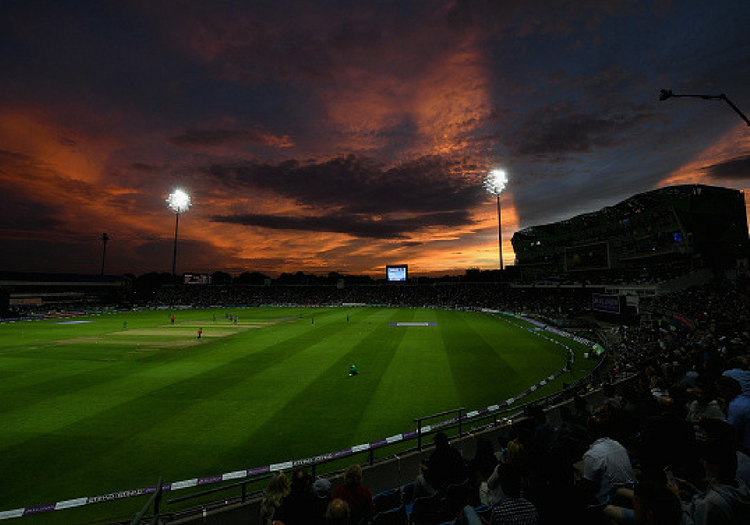
Headingley was supposed to stage a T20 game on Wednesday evening
The response on social media from fans has been philosophical. The postponement has taken a hard decision out of the hands of Yorkshire and Derbyshire supporters, allowed them to (try to) enjoy our first World Cup semi-final in 28 years and at any rate their tickets will still be valid for July 30.
That would be cold comfort though to those who have already booked hotels and trains and time off work. This is the last thing dyed-in-the-wool cricket fans need right now. Cricket has always had the demeanour of a general commanding a dispirited, disintegrating army, quivering in his bunker as the encircling enemy closes in.
In 2018, this permeates greater than ever, as the traditional game’s future hangs in the balance. A county game being cancelled, after a 72-hour U-turn no less, could just be the time to reach for the cyanide.
The truth is though that, while it seems like cricket now exists entirely at football’s permission, this is old news.
In the aforementioned article, Wilson referenced broadcaster Martin Kelner, who had pinpointed the moment football eclipsed cricket to the day: May 2, 1953.
1953 was a banner year for English cricket, but it was also the year the country’s most beloved footballer, Stanley Matthews, finally won an FA Cup winner’s medal. Not only this, but he did so in the greatest cup final ever played. Matthews’ Blackpool were trailing 3-1 to Bolton with 20 minutes remaining, before the the Wizard of the Dribble inspired a miraculous comeback, driving the Seasiders to a 4-3 victory.
This glorious affirmation of the nation’s facination with Matthews’ pursuit of a cup medal proved a line in the sand. Starting the following year, no other top flight matches were scheduled for Cup Final day, as it became entrenched as English football’s centrepiece.
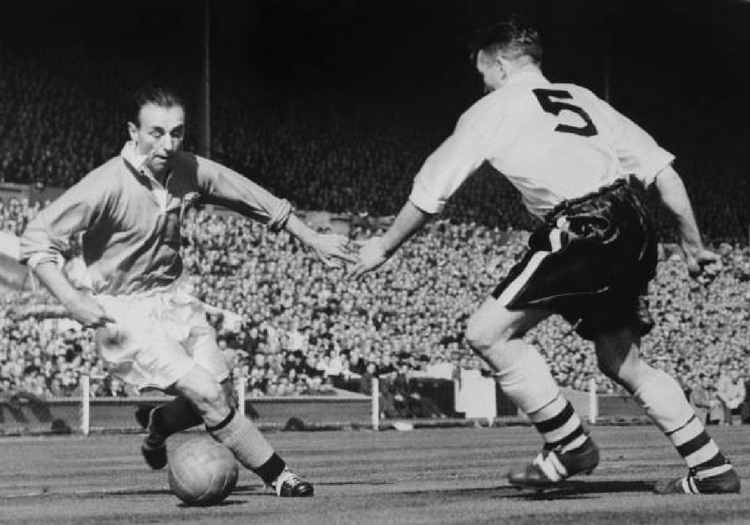
The Matthews FA Cup Final of 1953 changed May’s sporting landscape forever
May was now first and foremost about football’s curtain falling rather than cricket’s rising. Tellingly the BBC had only provided live commentary of the second half of the 1953 final, instead giving precedence to a Championship match between Hampshire and Essex, and the Australians’ tour match at Leicester. Need I tell you that this was not the case in 1954.
So cricket now had football to contend with in the spring. A decade later it would have to do the same in the summer.
In 1966, the mighty West Indies were on tour, back by popular demand after their unforgettable visit three years earlier. The five Test series would be subject to a month long hiatus, as MCC had elected to avoid clashing with the World Cup. Fans were deprived of Test cricket from July 5th to August 4th.
JL Manning wrote a piece in The Cricketer that July entitled “Beware! Summer football is on its way”. His concerns, that football was dominating the national dailies’ pages at cricket’s expense, were shared by much of the cricketing public. See this outspoken response in the following issue:
Sir, I was very interested to read the article by JL Manning. Thanks goodness I have the Daily Telegraph in which we are treated to a whole page (nearly) of our lovely summer sport. During the last few weeks, I have glanced at my neighbour’s Daily Express and found it quite a job to find anything about cricket at all. Why on earth must they glamorise football so much? The spectacle of men hugging each other makes me feel sick and the way they writhe on the ground and soon get up when play continues makes me wonder why people rave about football. Heaven forbid that it should be played the whole year round.
Mrs Vivienne D Jarvis, Gillingham
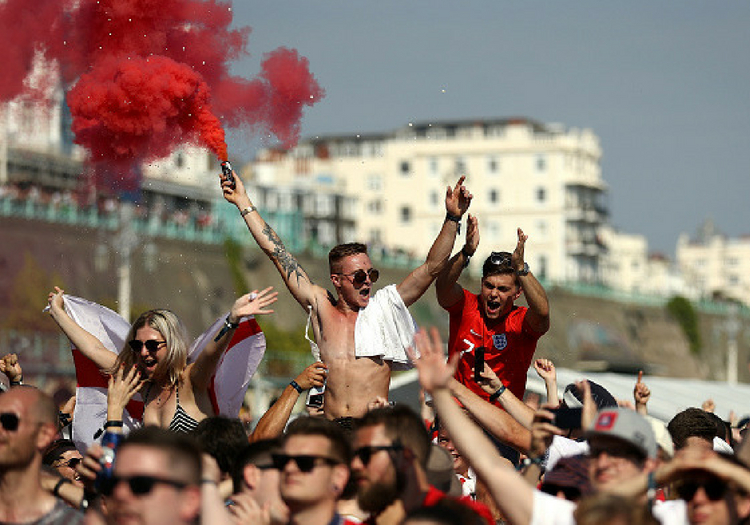
This summer the country has gone football mad
Fast forward 52 years and this cricket devotee must be turning somersaults in her grave (assuming she is in fact no longer with us – if you are, Mrs Jarvis, I do apologise).
So cricket’s plight is not a new one. It existed a generation or two before the birth of T20, the disappearance of cricket from free-to-air TV listings, or the squeezing of the County Championship to the extremities of the season.
That same day that Stanley Matthews was changing the face of English sport at Wembley, Neville Cardus was at Lord’s for its first first-class match of the season. After a rain interrupted day, Cardus noted “I felt pretty certain that I had been attending a decaying contemporary industry.”
So cricket lovers can bemoan the never-ending decline that their beloved game is suffering, of which Yorkshire’s decision is the latest example. But shouldn’t we have gotten used to it by now? We’ve had 65 years of practice.
NOW READ
SAM MORSHEAD: It was right for club cricket to play second fiddle to the World Cup for one weekend in 20 years
Please ensure all fields are completed before submitting your comment!