

Explained: This article explains the political background, key decisions, and possible outcomes related to Explained : Who is left out in the politics of rights? and Its Impact and why it matters right now.
The recent protests over the University Grants Commission’s equity regulations underscore the point. Its draft as late as February 2025 did not include OBCs in the “oppressed” group of students. How and why were they inserted into the regulations? This is worth examining separately. But it is surely fascinating, sociologically and politically, how the traditional varna system of India has thus been upended, even superseded, by the new governmental caste system.
Remember the furore over the economically weaker sections (EWS) category? Introduced through the 103rd Constitutional Amendment Act in 2019, it raised the hackles of several caste crusaders, because for the first time economic—and not merely social—criteria were recognised as markers of backwardness.
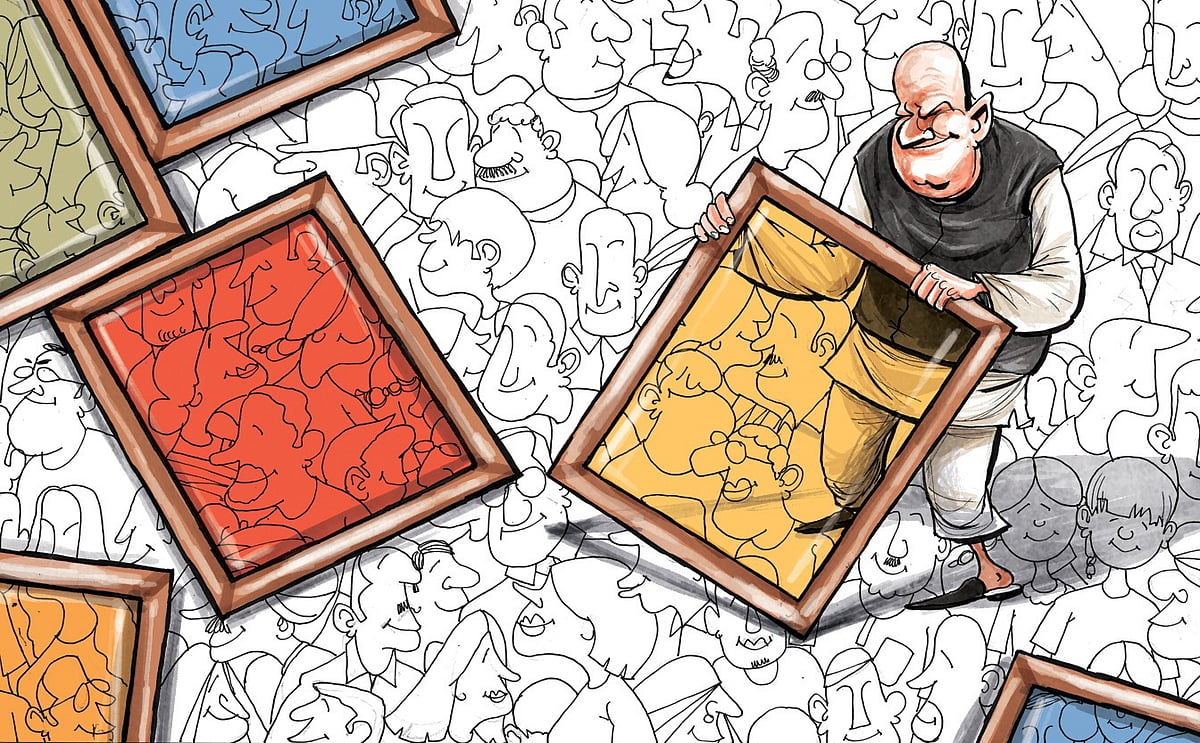
So, what do we have by way of the State varna system? SC/ST, OBC, EWS and of course, by default, GC. The last, general category, includes all those left out from the deprived classification. A new four-fold government-sanctioned and enforced caste quota system, which many would deem even more iron-clad and oppressive than the one it supersedes.
But sitting above all of them is the super-caste of PCs—permanent category government servants, those who cannot be fired. Among these too, as in the traditional caste system, are multiple gradations and hierarchies. Those in the coveted—and much maligned—Indian Administrative Service are, evidently, on the top. You can’t get any higher, at least on Earth. Naturally, all the others, SC, ST, OBC and GCs, want to crash into the ranks of the PCs.
That, in a line, is what the struggle over upward mobility is all about.