


Case Explained:This article breaks down the legal background, charges, and implications of Case Explained: ‘Increasingly dangerous’: Remand becoming the norm … – Legal Perspective
Bail laws and punitive policing which are driving more Aboriginal people into prison on remand are becoming “increasingly dangerous,” experts have warned.
On Wednesday, National Indigenous Times reported on a new study by the Australian Institute of Criminology (AIC), which found First Nations people are being disproportionately held on remand under Australia’s increasingly restrictive bail framework.
The report identified 36 punitive amendments to bail laws between 2019 and 2025, making it significantly harder to secure release. As a result, bail conditions have tightened overall, with First Nations people more likely to face stricter requirements.
In response to the AIC report, the National Aboriginal and Torres Strait Islander Legal Services (NATSILS) stated governments are continuing to prioritise punitive approaches, despite a sharp rise in pre-trial detention and the dangers it poses to vulnerable people.
Closing the Gap data from last year showed almost 44 per cent of Indigenous prisoners nationwide were unsentenced, up from one-third in 2020. The Indigenous adult imprisonment rate increased by 46 per cent between 2013 and 2024, compared with a 10 per cent rise for non-Indigenous adults.
Over the same 11-year period, the number of people on remand grew by 83 per cent.
NATSILS acting chair and Victoria Aboriginal Legal Service (VALS) chief executive, Nerita Waight, said governments have opted for quick political responses rather than meaningful reform, favouring ‘tough on crime’ measures.
“Bail is not meant to be used for punishment. Most people on remand have not been found guilty of any crime, yet they can spend months, sometimes years, in prison waiting for their matters to be finalised,” Ms Waight said.
“Punitive bail laws and policing practices are increasingly dangerous, and they are pushing more Aboriginal and Torres Strait Islander people into prison on remand.”
Across both Labor- and Liberal-led states and territories, governments have introduced tougher bail laws, often after high-profile offences committed by people on bail. The trend runs counter to recommendations from the Royal Commission into Aboriginal Deaths in Custody, which called for imprisonment to be used only as a last resort.
Last year, the Victorian Government introduced two rounds of bail reforms it said would make it “almost impossible” for repeat offenders to secure bail. The measures included a broader bail test, modelled on controversial New South Wales laws, and apply to both adults and children.
Data from the NSW Bureau of Crime Statistics and Research (BOCSAR) shows Indigenous adult defendants were refused bail at twice the rate of non-Indigenous defendants between 2014 and 2023.
In December, the Northern Australia Aboriginal Justice Agency (NAAJA) announced a High Court challenge to the NT’s bail laws, arguing they undermine the principle of innocent until proven guilty. Almost half of those held in NT Prisons are on remand, many as a result of the new bail laws brought in by the CLP government.
Most children held on remand in 2025 spent an average of 56 days in custody; one child aged between 10 and 14 held for more than 238 days before the charges were dismissed.
“This is not an accident. It is the predictable outcome of laws designed to refuse bail more often and impose tougher conditions,” Ms Waight said.
“For Aboriginal and Torres Strait Islander young people, remand has become the norm. More than two-thirds of First Nations children in youth detention are unsentenced.”
The AIC report noted: “Commentators have criticised these reforms for their ‘law and order’ approach to the criminal justice system, which has detrimental impacts on vulnerable groups and disproportionately affects Aboriginal and Torres Strait Islander communities.”
“A particular concern is the diminishing of the presumption of innocence and that pre-trial detention — previously a last resort — is becoming increasingly common, especially for Aboriginal and Torres Strait Islander bail applicants.”
The AIC also found the “over-policing of Indigenous communities and of bail conditions” is contributing to the “over-representation of Indigenous people on remand in the criminal justice system”.
AIC Deputy Director Dr Rick Brown said the “rates of First Nations people being held in jail before trial keep rising”.
“This study helps policymakers understand the real factors driving this concerning trend,” Dr Brown said.
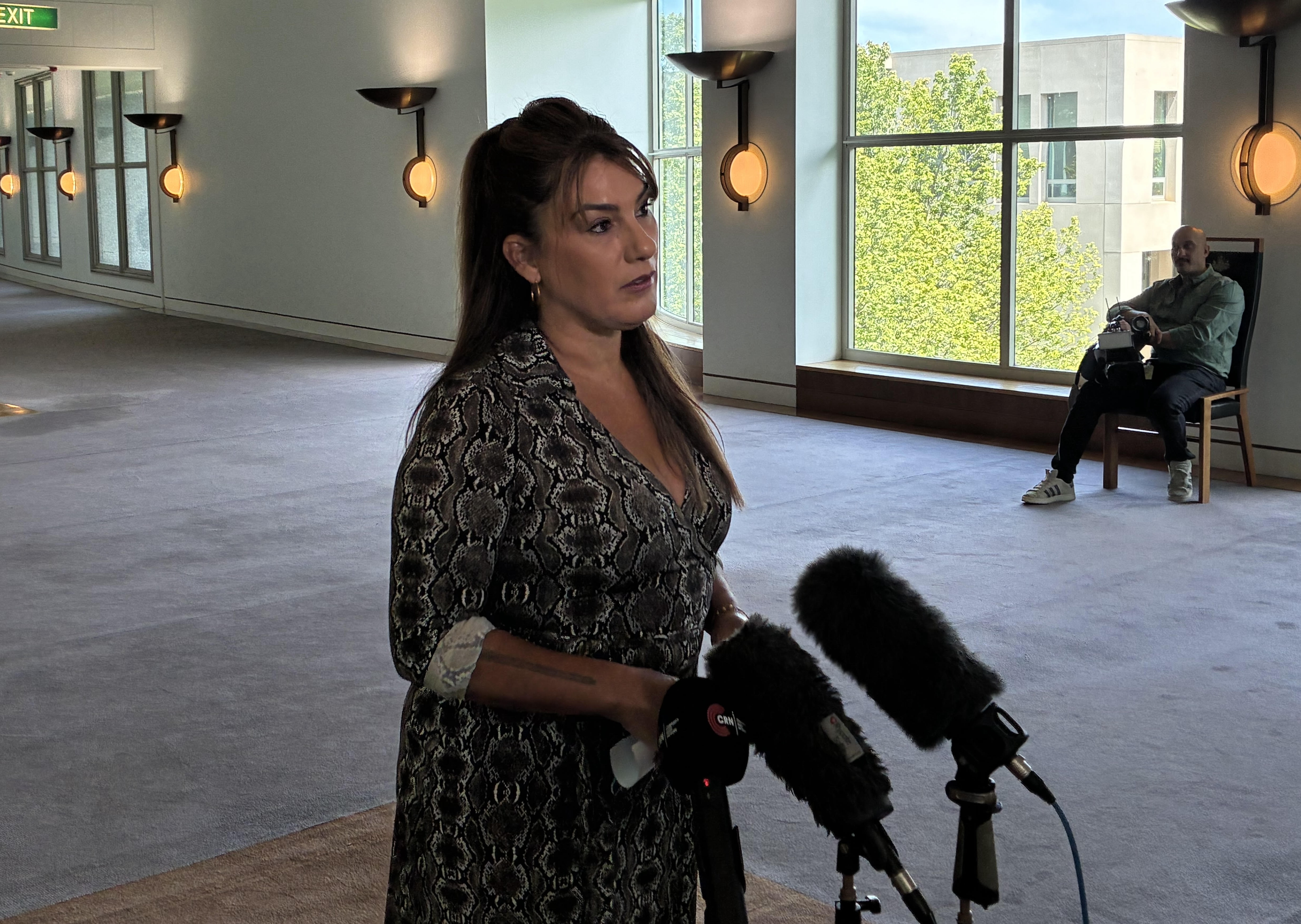
Speaking to reporters on Thursday, Independent Senator Lidia Thorpe said it’s costing taxpayers millions of dollars, “simply lock people up who are on bail”.
“That money should be spent in community; giving people a hand up and lifting people out of those situations by providing health, housing, mental health, and the supports that people need to not go into the system,” she said.
Senator Thorpe called on the Commonwealth to increase funding for therapeutic bail support services and safe accommodation options to help people access housing, health care, disability support and rehabilitation while on bail.
She said such measures would “save lives” and “help people get back on track,” while improving community safety and reducing costs.
NATSILS echoed her call, saying bail support services are proven to reduce remand numbers and harm while improving safety. The organisation urged greater funding for Aboriginal and Torres Strait Islander Legal Services and community-controlled organisations, investment in alternative responder models and community-led solutions, and an end to punitive bail changes.
“When remand numbers rise, court backlogs grow. People can be held in custody for long periods waiting for their day in court. The human cost of that delay is enormous,” Ms Waight said.
“Prisons are deeply harmful and unsafe places for our people. Last year, Australia recorded the highest number of Aboriginal and Torres Strait Islander deaths in custody in at least four decades. Governments should not be expanding a pipeline into remand while claiming it is about community safety.”