Tech Explained: Here’s a simplified explanation of the latest technology update around Tech Explained: Daily Tech Insider Unpacks the Week AI Became Your Intern, Concierge, and Lip-Reader in Simple Termsand what it means for users..
Artificial intelligence had a growth spurt this week, and your devices are the new denim jacket it refuses to take off.
Google added Gemini to Chrome and Search, Yahoo resurfaced with a citation-heavy answer engine, Apple teased a Gemini-powered Siri debut, and Microsoft unveiled Maia 200, a new chip meant to loosen Nvidia’s grip.
Add breaches and layoffs to the mix, and the message is clear: the AI arms race isn’t slowing down for anyone.
Quick links:
Google bakes Gemini into Chrome’s sidebar
Chrome stopped being a mere window and started moonlighting as a digital intern.
The new right‑hand side panel, powered by Gemini, can summarize reviews, juggle your calendar, and even tweak images via Nano Banana — all without opening extra tabs.
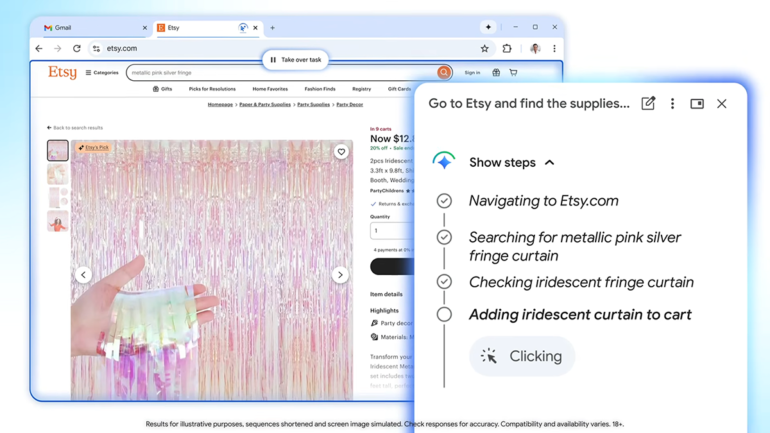
The headline feature, Auto Browse, chains together multistep errands like booking flights or stuffing Etsy carts, though paying Pro users are capped at 20 tasks a day (Ultra subscribers get 200). Permission prompts guard major moves, and logins piggyback on Chrome’s password manager.
Rolling out first to US-based Windows, Mac, and Chromebook Plus users, the upgrade positions Chrome’s 70% market share as Google’s home‑court advantage in the browser‑bot wars.
Google Search uses personal data for context in AI Mode
Google is rolling out Personal Intelligence in AI Mode. Flip the opt‑in switch — for US-based AI Pro/Ultra subscribers only — and the chatbot dives into your Gmail and Photos to surface eerily precise tips like recommending windproof coats after spotting your Chicago flight confirmation.
Google touts Gemini 3’s one‑million‑token context window to “pack” relevant info without training on your data. While early testers love the shopping suggestions, the “creep factor” remains a hurdle. Workspace and school accounts sit on the bench for now, and a free tier is expected eventually.
Convenience versus creepiness: fight!
Yahoo’s Scout brings citations back to search
Yahoo’s new Scout answer engine, powered by Anthropic’s Claude and grounded in Bing data, spits out table‑rich, source‑linked answers instead of blue‑link walls.
With 250 million US users and 18 trillion yearly intent signals, Yahoo hopes nostalgia plus citations will lure skeptical searchers.
Ads are already testing, but the service is free — for now. Visit scout.yahoo.com or open the Yahoo Search app on iOS or Android to test it out.

Redmond unveils 10‑petaFLOP inference engine
Built on TSMC’s 3‑nanometer process and packing 140 billion transistors, Microsoft’s Maia 200 accelerator claims over 10 petaFLOPS (10 quadrillion calculations per second) of efficient 4-bit (FP4) muscle and 30% better performance‑per‑dollar than current Azure gear.
Each board totes 216 GB of ultra-fast HBM3e memory and links via a custom Ethernet fabric that scales to 6,144 chips — no pricey InfiniBand required.
Already live in Iowa, the silicon powers everything from Microsoft 365 Copilot to OpenAI’s GPT‑5.2 and synthetic data generation. A preview SDK, complete with a cost calculator, aims to woo startups sick of Nvidia scarcity.
If benchmarks hold, the chip‑shortage bottleneck just found a bypass.

Apple locks in Gemini‑powered Siri demo
Mark your calendars for Siri’s long-overdue brain transplant.
Apple is reportedly set to show a Gemini‑infused Siri in late February, with the smarter assistant landing in the iOS 26.4 beta days later — exclusive to iPhone 15 Pro and newer. Expect on-screen awareness and personal context (meaning Siri finally knows what’s in your Mail), but true conversational memory waits for the “Campos” architecture in iOS 27 this fall.
Price tag for the Google brain rental: roughly $1 billion a year and a significant dent in Apple’s “walled garden” pride.
Cupertino buys silent‑speech startup
Apple’s nearly $2 billion snag of Israeli outfit Q.ai brings whisper‑level speech decoding and micro‑expression reading into the fold.
Led by the mind behind the tech that became Face ID, the 100‑person team will embed its smarts deep into Apple silicon, hinting at AirPods that understand subway mumbling, Vision Pros, and future smart glasses that read lips.
Google supplies the models; Apple wants to own the interface.