


Explained: This article explains the political background, key decisions, and possible outcomes related to Explained : India and the United Arab Emirates agree to double trade by 2032 and Its Impact and why it matters right now.
new agreements on energy, defence and investment to strengthen their strategic alliance amid growing tensions in West Asia Enrique Fernández The United Arab Emirates (UAE) and India agreed on Monday to boost their collaboration and double their bilateral trade with the aim of reaching 200 billion dollars by 2032.
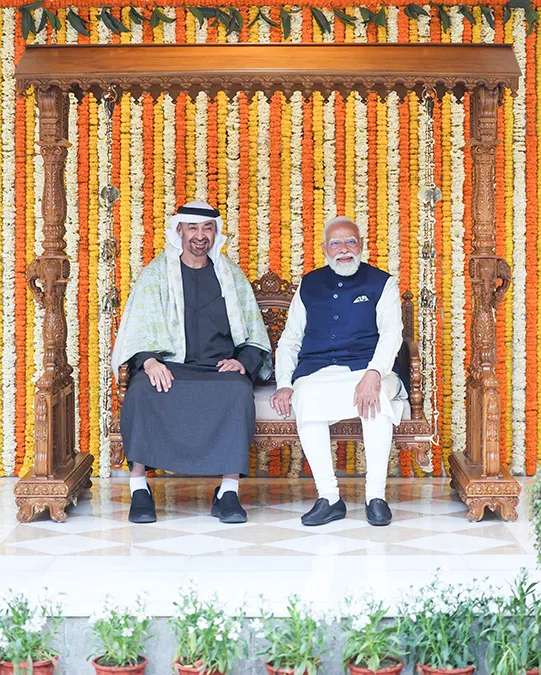
Indian Prime Minister Narendra Modi personally welcomed UAE President Sheikh Mohamed bin Zayed Al Nahyan on his arrival in India, so that the two leaders could discuss mutual interests, as well as global and regional issues, particularly given the changing geopolitical dynamics in the Middle East.
Regional context and diplomatic coordination
New Delhi and Abu Dhabi emphasised the importance of political and diplomatic collaboration between countries with an interest in regional stability. In his public speeches, Prime Minister Narendra Modi commented that the close relationship with the United Arab Emirates has been growing steadily.
For his part, Sheikh Mohamed bin Zayed said that collaboration with India is key to economic development and maintaining stability in such a changing world.
Indian community in the Emirates and regional projection
One aspect to consider is the large population of Indian citizens living in the United Arab Emirates. Their presence and personal relationships are essential to this connection.
It is in this context that the country’s foreign policy has focused on strengthening its diplomacy and expanding both trade and investment in the region. The agreements reached during this trip reaffirm the Emirates’ place as a key partner for New Delhi.
Political and social factors in the bilateral relationship
Harsh Pant, vice-president of foreign policy at the Observer Research Foundation in New Delhi, believes that this relationship is growing stronger because it is essential to exchange views and coordinate interests.
‘The relationship between India and the United Arab Emirates is warm, growing and multifaceted. In the context of the turmoil in West Asia, and how the Trump administration’s plan for Gaza is shaping up, and the crisis with Iran, it is a time for both nations that want stability in the region to exchange notes,’ Pant said.
Cooperation framework and previous agreements
According to India’s Foreign Secretary Vikram Misri, the meeting discussed guidelines for improving cooperation on energy, defence and new technologies. All this is within the framework of the Comprehensive Strategic Partnership that both countries have been developing for almost five years.
Misri noted that trade has increased exponentially since the Comprehensive Economic Partnership Agreement (CEPA) was signed in 2022.
This agreement, which served to reduce tariffs and provide greater access to the goods and services market, led to bilateral trade exceeding the 100 billion dollar mark and showing steady growth, which is particularly good for companies and start-ups that have set up in the UAE.
Energy and liquefied gas supply
The persistent increase in the population of India, the world’s most populous country with around 1.5 billion inhabitants, is proving to be an energy challenge for the authorities. Needs are growing, and in this regard, cooperation with the Emirates is essential.
Therefore, with regard to the energy sector, it was agreed that the Emirates would supply India with more than half a million metric tonnes of liquefied gas per year from 2028, extending until 2035.
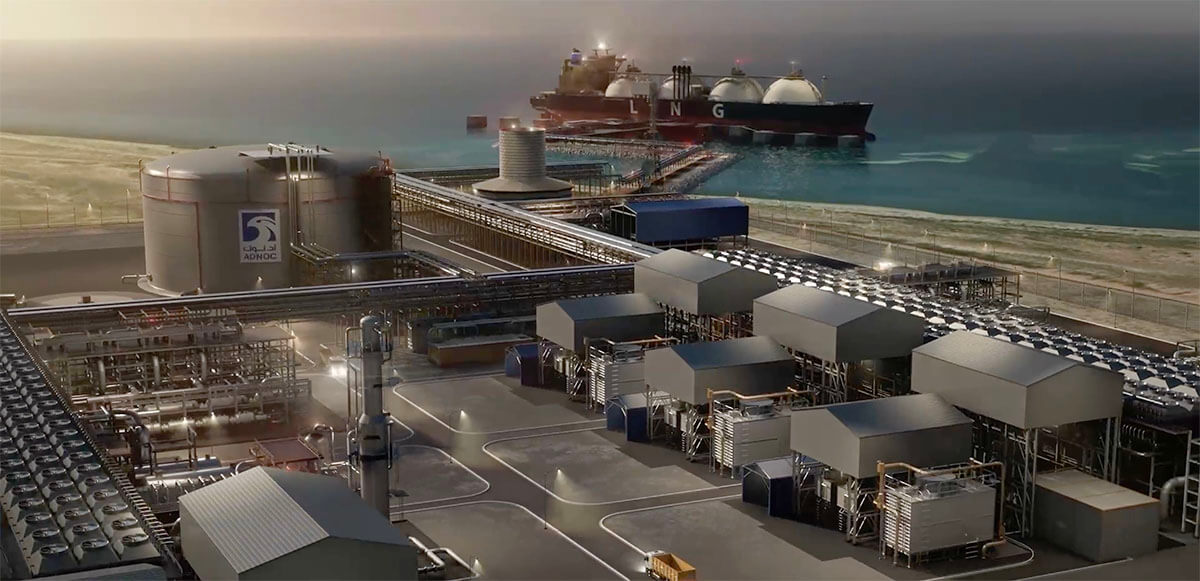
Misri emphasised that the agreement ‘will be of great help to India’, as it will help to meet its needs and secure its energy supply, especially in a context where the oil market is more unstable than ever.
Official sources in Abu Dhabi indicated that a steady supply of energy is a fundamental pillar of the bilateral relationship and a sign of lasting trust between the two economies.
Defence, aerospace and food agreements
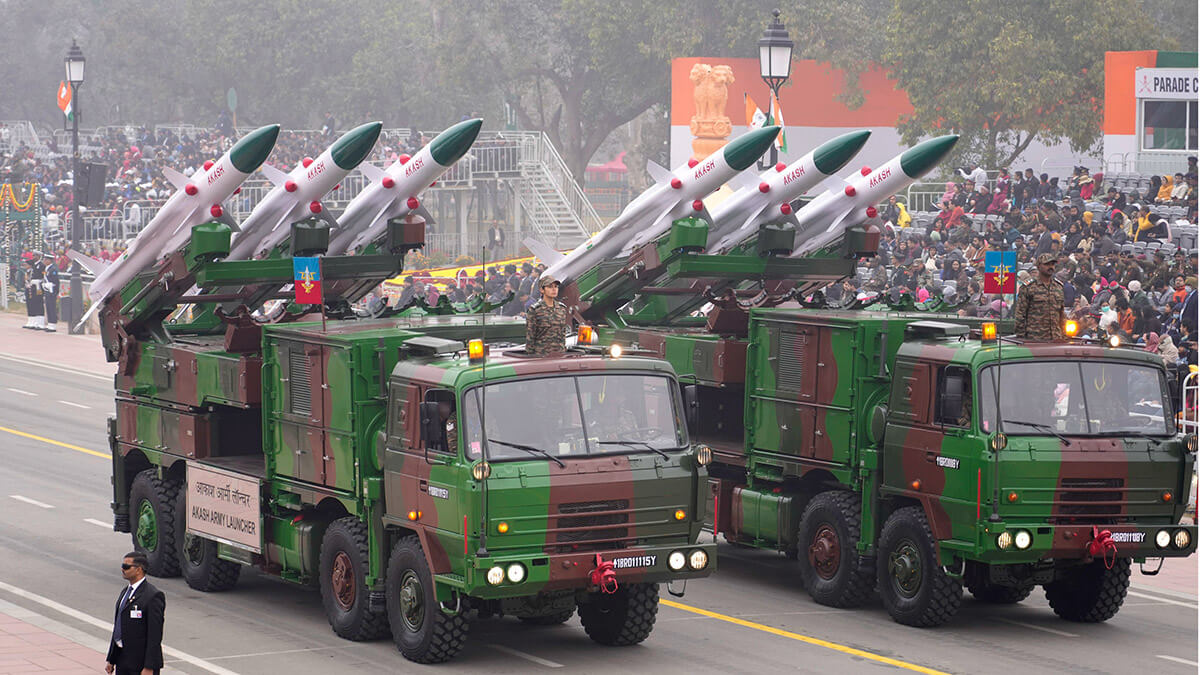
In defence, a letter of intent was signed with the aim of finalising a framework agreement for a strategic partnership in this area. The objective is to consolidate collaboration in defence, covering production, technology transfer, training and the execution of joint manoeuvres. This agreement will be implemented without implying direct military alignment with disputes in the area; on the contrary, it will be an effort to avoid this.
Indian officials clarified that this effort is a cooperation focused on capabilities and security, and its objective is not to intervene in foreign affairs. Agreements were also reached in the aerospace and food sectors.
Emirati investment in Gujarat and infrastructure
Following the meeting, the United Arab Emirates announced its intention to invest in Gujarat, Modi’s home state in India, with the aim of expanding and developing the region through the construction of airports, ports and smart urbanisation projects. The Indian government, although it did not specify, described this commitment as a strategic decision that focuses on those infrastructures that they consider to be priorities.