


Lifestyle Trend:Discover lifestyle trends, travel ideas, and practical tips related to Lifestyle Trend: Are You Aware Of These Travel Words? You Should Know – You Should Know
From “revenge travel” to “friendcation,” these phrases capture the evolving ways we explore the world and connect with others. Whether it’s making up for lost trips, bonding with friends, or chasing unique experiences, knowing these travel words can give you a fresh perspective on modern adventures—and maybe even inspire your next journey.
Friendcation: Lockdowns separated people from both places and chosen families. Friendcations are long-overdue reunions—carefully planned trips to villas, safaris, or national parks. Whether wine regions, beaches, or adventures, the focus is on shared laughter, honest conversations, and the joy of reconnecting in person with those who had supported you through the hardest times. (Image: AI-generated)

Nemophilist: A nemophilist deeply loves forests, drawn to their atmosphere rather than achievements. From the Greek nemos (grove), the term resonates as nature travel grows. Nemophilists seek filtered light, earthy scents, and tranquil silence. Tours now cater to them with forest bathing in Japan, Scandinavian woodland cabins, and guided rainforest walks in India. (Image: AI-generated)
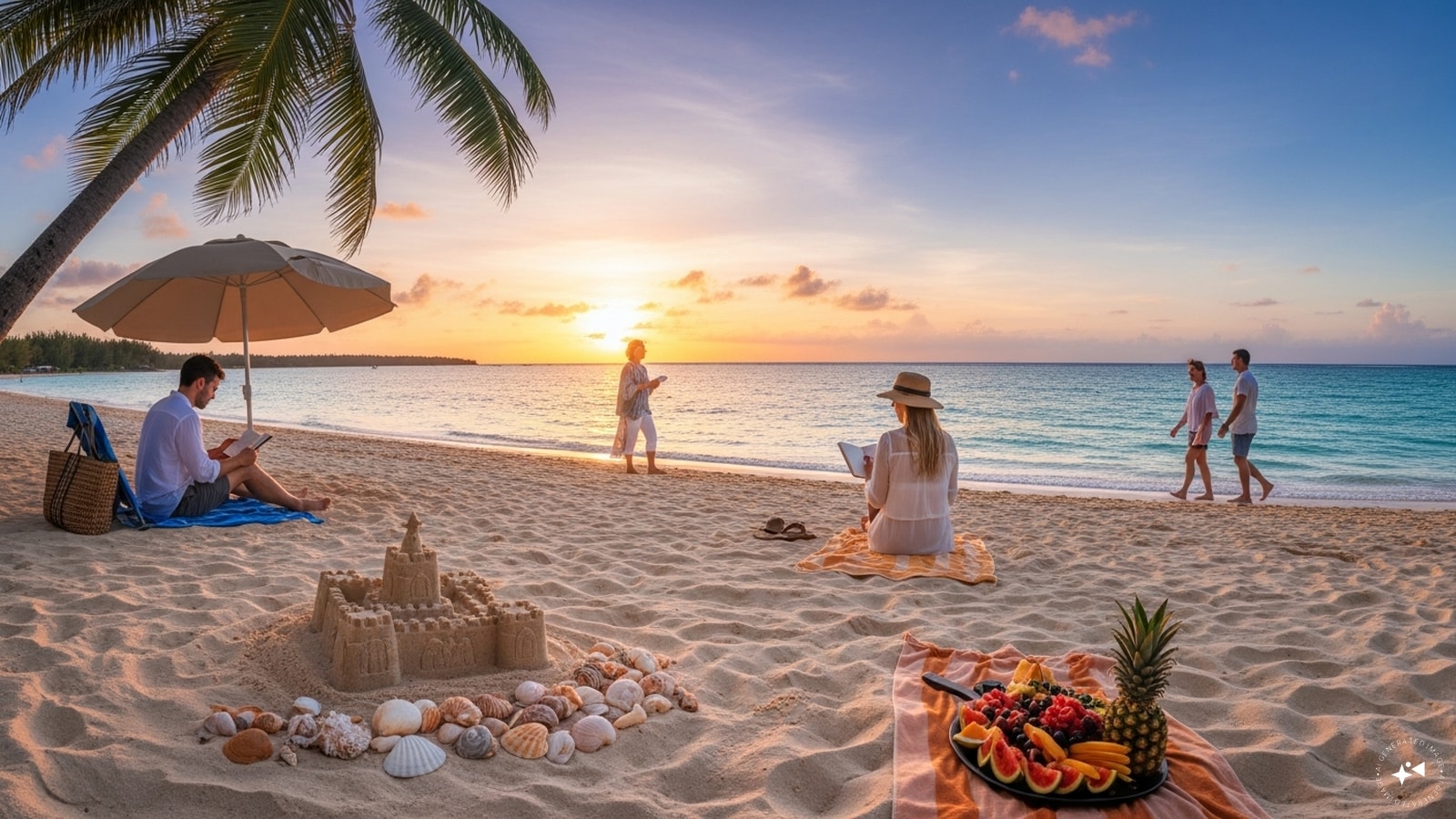
Vaccication: A vaccication is a celebratory trip taken after your second COVID jab, marking the world’s tentative reopening. Unlike pandemic “coronacations,” these trips were indulgent—bucket-list destinations, proud vaccination proof, and new travel rituals like tests and forms. After months indoors, even paperwork felt like a small, triumphant luxury. (Image: AI-generated)

Revenge Travel: Revenge travel springs from frustration and the urge to reclaim lost time. After months of cancellations, people traded short breaks for safaris, long-haul treks, and distant islands. Longer stays, bigger budgets, and bold itineraries turned travel into both a celebration of freedom and a joyful act of defiance. (Image: AI-generated)
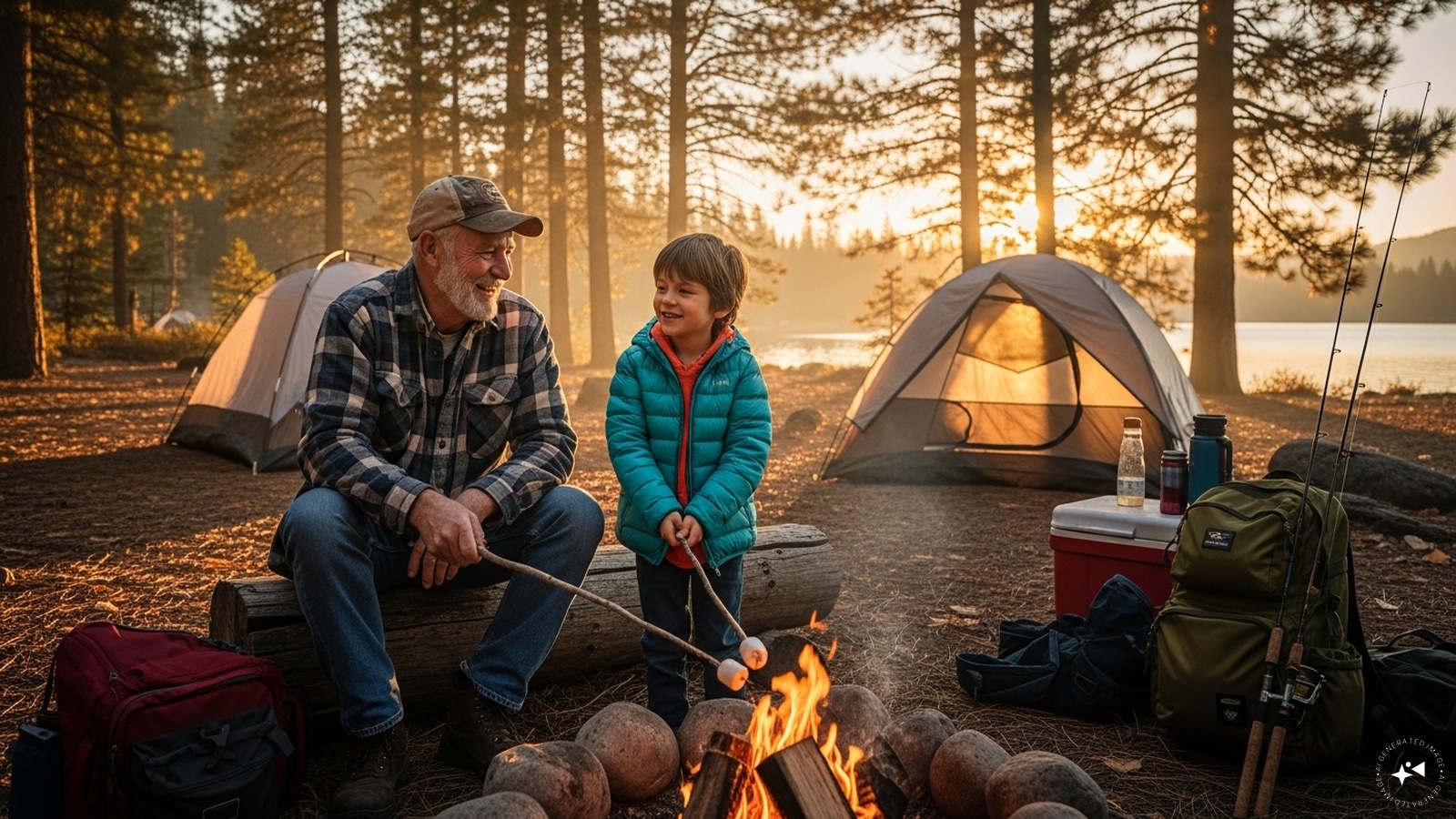
Gramping: Gramping—skip-generation holidays—emerged as grandparents travelled with grandchildren while parents stayed home. It solved school schedules, limited leave, and work burnout. Kids enjoyed adventures, grandparents cherished memories, and parents savoured quiet. From safaris to seaside resorts, these trips proved family travel doesn’t always need the whole family to be meaningful. (Image: AI-generated)

Schoolcation: Schoolcations let families combine travel with remote learning. Mornings were for lessons, afternoons for adventures—tide pools, bush walks, game drives—keeping children more engaged than traditional classrooms. Hotels adapted with quiet study spaces, reliable Wi-Fi, and nature-based activities, proving that fresh air and curiosity can be powerful teaching tools. (Image: AI-generated)
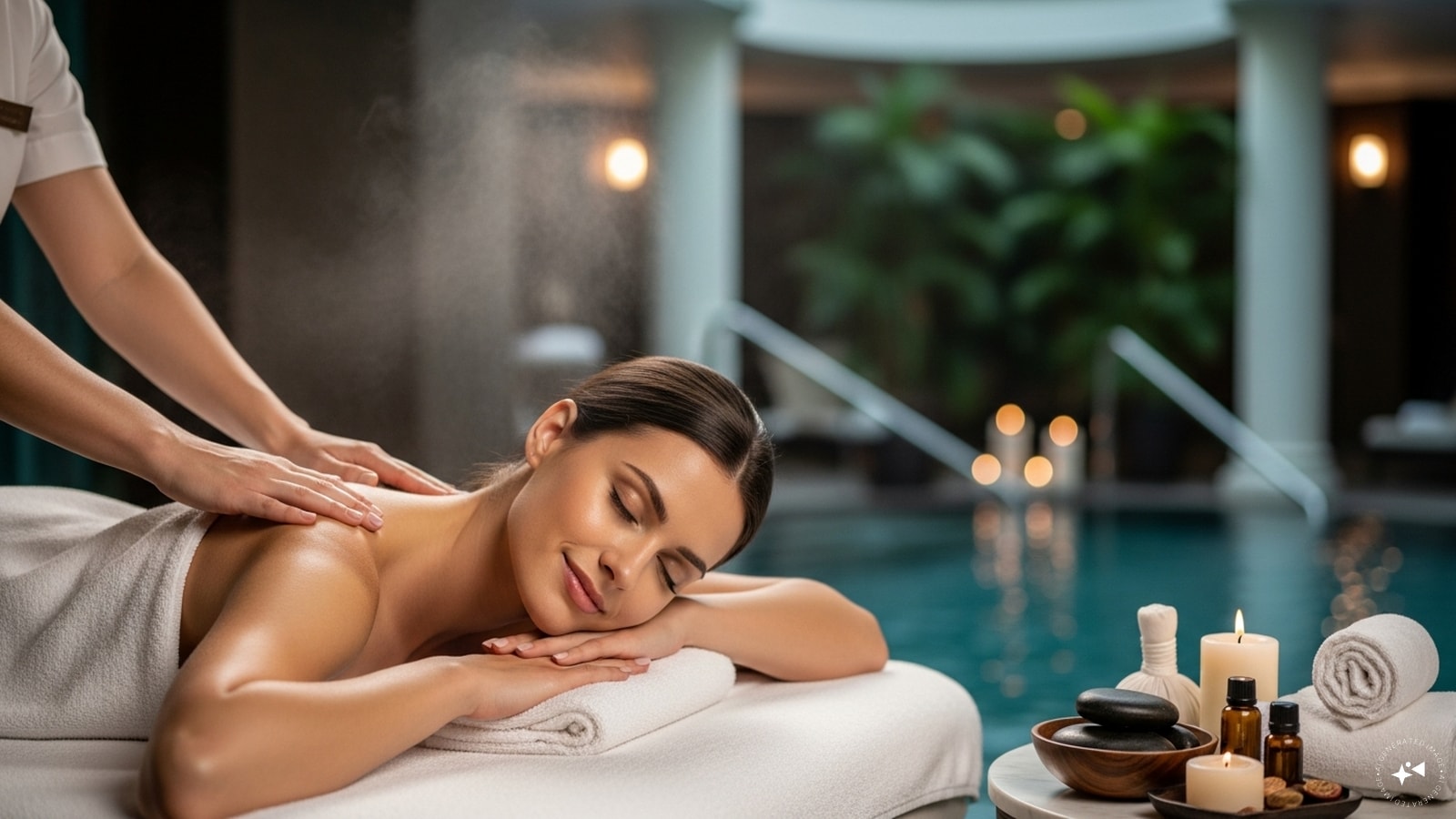
Solomoon: The solomoon—part honeymoon, part solo retreat—redefined romance. With postponed weddings and shifting priorities, travelers celebrated themselves, enjoying hotels, spa days, and unhurried itineraries. Couples sometimes thrived on time apart. Honeymoons evolved into solomoons, buddymoons, and friendmoons, showing that love and travel needn’t follow traditional rules to be meaningful. (Image: AI-generated)