


Lifestyle Trend:Discover lifestyle trends, travel ideas, and practical tips related to Lifestyle Trend: Canada to End Remote Border-Crossing Permits with the U.S. in 2026 You Should Know – You Should Know
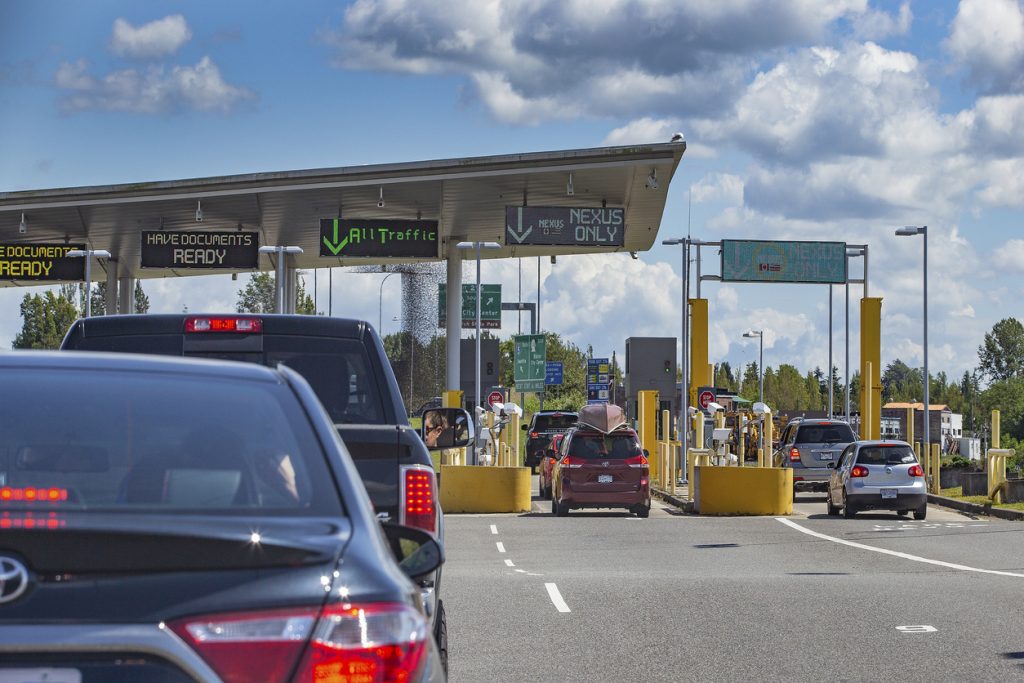
Canada is set to phase out a niche but important system that has long helped travelers move between northern Minnesota and adjacent parts of Ontario and Manitoba without visiting a staffed border station.
The Canada Border Services Agency (CBSA) says its Remote Area Border Crossing (RABC) Program will end on September 14, 2026, replacing the permit model with mandatory reporting at ports of entry or designated telephone reporting sites for travelers entering through specified remote areas.
In practical terms, the change affects people who cross for canoeing, fishing, hunting, snowmobiling, and backcountry trips in places such as the Boundary Waters/Quetico region and Lake of the Woods, as well as other remote waterways and crossings.
Local reporting has emphasized that the permits were particularly valuable for outfitters, cabin owners, and frequent recreation travelers who regularly traverse lakes and rivers that straddle the international boundary.
CBSA’s rationale, and the line that sparked reactions
CBSA is framing the shift as part of a broader operational standardization. In its news release, the agency said it is expanding telephone reporting “to further enhance border integrity” and noted that the new approach “builds on processes already in place across Canada,” aiming for consistent security expectations and compliance.
The announcement included a sentence that quickly became the focal point of online commentary because it explicitly references the United States. CBSA wrote: “The RABC Program will close on September 14, 2026.”
More controversially for some readers, CBSA added that the change “will also more closely align” with how travelers report to U.S. Customs and Border Protection (CBP) when entering the U.S. in remote areas—language that some interpreted as a pointed political message rather than a purely administrative update.
CBSA also disclosed the program’s usage profile: roughly 11,000 members per year historically, with about 90% Americans, a statistic that helps explain why the policy is drawing outsized attention in northern Minnesota communities.
Where the new requirements will apply, and what’s still unknown
CBSA lists the remote areas moving to the telephone-reporting model as including the Northwest Angle area, Pigeon River through Lake of the Woods, the Canadian shore of Lake Superior, Sault Ste. Marie’s upper lock system, and Cockburn Island.
What remains unresolved is the operational detail that matters most to trip planning: the exact locations and number of new telephone reporting sites. CBSA says those locations will be decided “in the coming months” through consultations with Indigenous communities, local businesses, and law enforcement partners.
For travelers, that uncertainty is not trivial. Northern Minnesota reporting notes that, outside of the region’s limited staffed crossings, people have relied on RABC to avoid long detours—especially when trips start on water or in wilderness corridors.
How this fits into a tougher cross-border travel climate
The RABC change is landing amid broader sensitivity around cross-border friction and declining discretionary travel. Minnesota’s tourism office has reported that Canadian arrivals to Minnesota are down 18% year-to-date (with month-by-month declines) and that Minneapolis–Saint Paul airport passenger totals were also down during parts of 2025, reinforcing the idea that cross-border movement is already softening before the new rules take effect.
That backdrop matters because remote-area travel is disproportionately driven by repeat visitors—exactly the group most likely to notice added procedural steps.
What travelers and operators should do now
For now, the main compliance takeaway is straightforward: do not assume the permit pathway will exist for future seasons. CBSA’s own RABC program page states applications are no longer being accepted and reiterates the September 2026 end date.
Also note the enforcement posture: CBSA warns that failure to report can lead to enforcement action, including monetary penalties and seizures, and potentially criminal charges under the Customs Act—language that underscores the agency’s focus on compliance once the transition is complete.
Finally, for travelers who move back and forth by water, it is worth reviewing how the U.S. handles remote reporting. CBP has expanded digital and phone-based reporting options for certain arrivals (including the CBP ROAM app and programs such as the I-68/Canadian Border Boat Landing), reflecting the broader North American trend toward remote check-in tools paired with stricter reporting expectations.